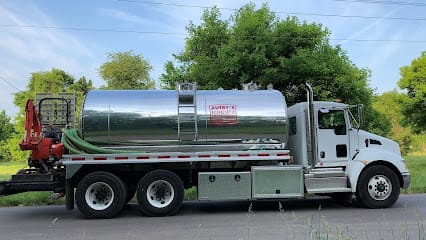
Located on Pineview Road in West Ashley, A-1 Septic Tank Service is the experienced crew Charleston homeowners call when the water won’t go down. Serving the Lowcountry from James Island to North Charleston and throughout Johns Island and West Ashley, we handle the pumping and maintenance required to keep septic systems running in our unique coastal environment—where high water tables, sandy soil, and proximity to marshes create challenges that inland contractors don’t encounter. We’re not the newest company in town, but we’re the team that’s seen it all: systems flooded by king tides, drainfields failing in saturated coastal sand, and septic tanks backing up because the water table sits just feet below ground. When you need septic service that works in Lowcountry conditions, you call the crew that knows the mud, the sand, and the tides.
Charleston County’s coastal environment creates specific septic challenges that require contractors with local experience. High water tables limit how deep drainfields can be installed and cause systems to back up during heavy rain or high tide events. Sandy soil drains quickly but provides minimal filtration, requiring careful maintenance to prevent groundwater contamination. And marsh proximity brings environmental regulations that strictly control septic system placement and maintenance. We’ve spent years working in these conditions, and we understand what it takes to keep systems functioning when the water table rises, how to pump tanks in areas where access is limited by tidal flooding, and what maintenance schedules prevent failures in sandy coastal soil. We get the job done when others can’t—that’s what years of Lowcountry experience delivers.
Lowcountry Septic Solutions
Charleston’s coastal location creates septic challenges that require practical, experienced solutions. High water tables stress systems, sandy soil changes how drainfields perform, and tidal cycles affect access and system function. Here’s how we keep Lowcountry septic systems working:
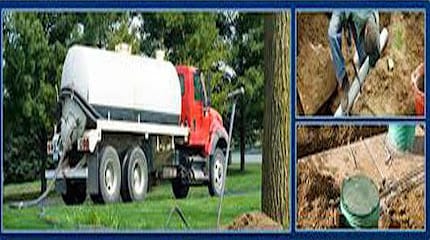
- Septic Tank Pumping to Combat High Water Tables — We completely evacuate septic tanks, removing both the sludge layer at the bottom and the scum layer floating on top to protect drainfields from solids infiltration. In Charleston’s high water table conditions where the saturated zone often sits within a few feet of the surface, keeping tanks properly maintained prevents the hydraulic overload that causes backups during rainy periods or king tides. For coastal properties in West Ashley, James Island, and Johns Island, we recommend pumping every 3-4 years for standard households, or more frequently if you experience seasonal flooding or notice slow drains during wet periods. High water tables mean systems have less capacity to handle effluent volume, making regular pumping essential to prevent failures. We pump on schedules that account for Lowcountry conditions, and we work in areas where tidal access or saturated ground makes service challenging—we navigate the conditions that stop less experienced contractors.
- Real Estate Septic Inspections for West Ashley & Beyond — Charleston’s active real estate market requires thorough septic inspections because coastal system failures are expensive and because environmental regulations near marshes and waterways make compliance critical. We perform inspections that pump the tank (documenting capacity and starting the system clean), check inlet and outlet baffles for deterioration, inspect or install effluent filters, evaluate drainfield surface conditions for wet spots or failure signs in sandy soil, assess tank structural integrity, and document system age and configuration. For properties near marshes or in flood-prone areas, we note conditions that may affect system performance or compliance. Our inspection reports provide documentation for lenders, real estate agents, buyers, and sellers—giving all parties information about system condition and any issues that need addressing before closing.
- System Maintenance to Prevent Backups — During every service call, we inspect critical components: baffles that prevent scum from leaving the tank, effluent filters that trap solids before the drainfield, tank lids for proper sealing against groundwater infiltration, and visible drainfield areas where we can assess performance. When we find deteriorating baffles, clogged filters, or signs of impending problems, we tell you what needs attention. For Johns Island properties and other coastal areas where drainfield replacement is expensive and complicated by high water tables, preventative maintenance that catches problems early saves thousands in repair costs. We’ve seen enough system failures in the Lowcountry to know what warning signs matter, and we share that experience with customers so they can make informed decisions about repairs and maintenance.
- Commercial Grease Trap Cleaning — Charleston’s restaurant scene—from West Ashley to downtown—relies on us for commercial grease trap maintenance. Grease traps collect fats, oils, and grease (FOG) from commercial kitchens before they enter sewer or septic systems where they solidify, clog pipes, or overload treatment capacity. We pump grease traps on schedules that keep establishments compliant with health department regulations, we transport grease waste to approved facilities, and we document service for inspection purposes. For restaurants operating in older Charleston buildings where plumbing may be decades old or where systems discharge near protected waterways, proper grease trap maintenance prevents violations and protects water quality.
- Drainfield Repair & Problem Solving — When drainfields fail in Charleston’s coastal environment, repair is complicated by high water tables that limit excavation depth and by sandy soil that provides minimal structure for reconstruction. We diagnose drainfield problems—whether they’re caused by hydraulic overload from high water tables, biomat buildup in sand that’s become saturated, or structural failures like crushed pipes or separated joints. Depending on the problem’s nature and severity, we either repair damaged sections or advise on replacement options that work in Lowcountry conditions. For coastal properties where conventional drainfield replacement may not be feasible due to water table constraints, we help homeowners understand their options and navigate the regulatory requirements for work near marshes or waterways.
- Emergency Response for Coastal Conditions — When septic systems back up during storms, when king tides cause systems to overflow, or when you experience sewage backups that need immediate attention, we respond to emergencies throughout Charleston County. Coastal septic emergencies often occur during weather events or extreme tides when conditions make service difficult—we work in these challenging situations because we understand that septic failures during storms or floods create health hazards that can’t wait for perfect weather. Our experience navigating Lowcountry conditions during emergencies means we can often reach properties and provide service when less experienced contractors decline the work.
Serving West Ashley, James Island, Johns Island, and North Charleston
From the established neighborhoods of West Ashley where our Pineview Road shop is located, to the marsh-front homes on James Island where high water tables and proximity to tidal creeks create constant septic challenges, throughout Johns Island where rural properties and newer developments both rely on septic systems stressed by coastal conditions, and across North Charleston where commercial and residential septic service keeps businesses and homes functioning, A-1 Septic understands the local terrain. We navigate the tides and water levels that affect access to properties, we work in areas where saturated ground makes equipment positioning challenging, and we manage the unique combination of sandy soil, high water tables, and marsh proximity that defines Charleston County septic service.
Lowcountry septic systems face stresses that inland properties don’t experience. High water tables mean drainfields sit close to the saturated zone, reducing treatment depth and making systems vulnerable to backup during rainy periods or extreme high tides. Sandy soil drains quickly but provides minimal filtration before effluent reaches groundwater, making proper maintenance critical to prevent contamination. Tidal flooding can temporarily inundate drainfield areas or create access challenges to properties. And proximity to marshes and waterways brings strict environmental regulations that control septic placement, maintenance, and repairs. We’ve worked in these conditions for years, and we’ve developed the practical approaches that keep systems functioning despite the challenges—adjusting maintenance schedules for high water table stress, working during tidal windows when access is possible, and helping homeowners navigate the regulations that govern coastal septic systems.
Charleston’s growth—particularly on James Island and Johns Island where development continues expanding into previously rural areas—creates ongoing demand for septic service that understands coastal conditions. New construction brings modern systems engineered for high water tables, but these still require professional maintenance. Older properties feature systems installed before current regulations, often needing upgrades or more frequent pumping than originally anticipated. And the active real estate market means constant need for thorough inspections that document system condition and compliance. We serve this full range because we’ve been working in Charleston County long enough to have seen systems age, regulations evolve, and communities grow—we bring experience that newer companies can’t match.
Why Locals Call A-1 Septic
Years of Lowcountry Experience — We’re not the newest company in Charleston, and we’re not trying to be. We’re the experienced crew that’s been handling Lowcountry septic challenges for years—we’ve pumped tanks during king tides when access was only possible during specific tidal windows, we’ve diagnosed drainfield failures in sandy soil where standard solutions don’t work, and we’ve worked in areas where high water tables create conditions that textbook septic service doesn’t address. That accumulated experience means we’ve seen the problems that occur in coastal environments, we know what solutions actually work in Charleston’s conditions, and we don’t waste time trying approaches that look good on paper but fail in practice. When you call A-1 Septic, you’re getting the benefit of years working specifically in Lowcountry conditions.
We Tackle the Tough Jobs — Some properties are easy: good access, standard systems, no complications. Others are difficult: limited access during high tides, drainfields in saturated areas, systems that have been neglected for years and need extensive work. We handle both, but we’ve built our reputation on tackling the jobs that other companies decline because access is too difficult, conditions are too challenging, or the work is more complicated than they want to manage. For Charleston homeowners dealing with septic situations that seem impossible—systems that back up every time it rains hard, properties where tidal flooding limits service windows, or older systems that need creative solutions—we’re the crew that figures out how to get it done.
Practical Solutions for Real Problems — We don’t oversell or overcomplicate. When you have a septic problem, we diagnose what’s actually wrong, we explain what needs to happen to fix it, and we provide solutions that work in Charleston’s coastal environment. Sometimes that’s as simple as pumping a tank that’s full. Sometimes it requires more complex work—drainfield repairs in high water table conditions, system modifications to handle coastal stresses, or coordinating with environmental regulators for work near marshes. Either way, we give you straight information about what’s needed and what it will cost, without exaggerating problems or downplaying issues. For homeowners who want honest assessment and practical solutions, that straightforward approach is why they call us.
Commercial & Residential Capability — We serve both residential homeowners throughout Charleston County and commercial establishments—restaurants, businesses, facilities—that need grease trap cleaning and septic maintenance. That range of experience means we handle small residential tanks and large commercial systems, we understand regulatory requirements for both applications, and we have the equipment and expertise to work efficiently regardless of scale. For property managers overseeing multiple locations or businesses managing facilities maintenance, having one contractor who handles residential and commercial septic needs simplifies vendor relationships and ensures consistent service quality.
Local Knowledge of Charleston County Challenges — We’re based in West Ashley, we work throughout Charleston County daily, and we understand the specific challenges each area presents: James Island’s tidal flooding patterns and marsh proximity, Johns Island’s mix of rural and suburban development with varying system ages, North Charleston’s commercial and industrial septic needs, and West Ashley’s established neighborhoods where older systems may need upgrades. That local knowledge means we arrive prepared for the conditions we’ll encounter, we know which areas have the most challenging access or highest water tables, and we understand how Charleston’s geography affects septic service. For homeowners and businesses throughout the county, working with contractors who know the area prevents the delays and complications that occur when companies unfamiliar with Lowcountry conditions try to apply generic approaches to coastal properties.
Ready to Schedule Septic Service?
Call A-1 Septic Tank Service at (843) 766-4464, or use the contact form to request service. We handle septic tank pumping, real estate inspections, system maintenance, commercial grease trap cleaning, drainfield repairs, and emergency response throughout West Ashley, James Island, Johns Island, North Charleston, and the greater Charleston County area.
For Charleston homeowners and businesses dealing with septic challenges in Lowcountry coastal conditions—high water tables, sandy soil, tidal influences, marsh proximity—we’re the experienced crew that gets the job done when others can’t. We’re not the newest or flashiest company, but we’re the team with years of practical experience keeping Charleston County’s septic systems functioning despite the challenges that coastal environments create. When you need septic service that works in the Lowcountry, call the crew that knows the mud, the sand, and the tides.