Why Routine Pumping Matters in Smithfield & Johnston County
Johnston County’s soils—ranging from sandy loam near the Neuse River floodplain to heavier clay in upland areas—process septic effluent effectively when systems are properly maintained. But once sludge levels in your tank rise high enough that solids escape into the drainfield, those same soils become clogged with organic matter that destroys the system’s ability to absorb wastewater. The biomat layer that forms when solids reach lateral lines is irreversible; once it develops, you’re looking at drainfield replacement, not repair.
Abel Septic Tank Cleaning serves homeowners across Johnston County who understand that pumping is maintenance, not an emergency expense. Whether you’re in Selma’s older neighborhoods where cast-iron tanks from the 1960s still function reliably, or in Clayton’s new subdivisions where modern plastic tanks require the same routine care, regular cleaning protects your investment and prevents the catastrophic failures that occur when maintenance gets deferred too long.
What Happens When You Skip Pumping:
- Sludge Escapes to the Drainfield: Every septic tank has three layers—floating scum at the top, liquid effluent in the middle, and settled sludge at the bottom. As sludge accumulates (from the solid waste your household generates daily), it reduces the tank’s effective volume. Eventually, sludge rises high enough that it flows out with the effluent, carrying organic solids directly into drainfield laterals. These solids clog the soil’s absorption capacity, forming the biomat layer that causes permanent system failure.
- Drainfield Replacement Costs $15,000-$25,000: Once biomat develops, you can’t flush it away or treat it chemically. The soil’s biological filtration capacity is exhausted. Installing a new drainfield requires excavating the old field, hauling in clean gravel and sand, laying new lateral lines, and restoring your yard—work that typically costs 40-50 times more than routine pumping. For Johnston County homeowners on fixed incomes or young families managing tight budgets, this expense can be devastating.
- System Backups Create Health Hazards: Before drainfields fail completely, systems give warning signs—slow drains, gurgling toilets, sewage odors around the tank or yard. These symptoms indicate the tank is full enough that wastewater has nowhere to go. If you ignore these warnings and continue using water normally, sewage backs up into your home through the lowest drains (usually basement floor drains, tubs, or toilets). Cleanup requires professional remediation, exposes your family to pathogens, and may trigger insurance claims that increase your premiums.
- Recommended Pumping Frequency for Johnston County: Most households should pump every 3-5 years. Families of four with a standard 1,000-gallon tank typically need service every 3-4 years. Smaller households with larger tanks can extend to 5 years. Homes with garbage disposals generate more solids and should pump every 2-3 years. If you can’t remember your last pump-out or purchased a home without service records, schedule an inspection immediately—you may already be overdue.
Complete Septic Tank Cleaning Services
Abel Septic Tank Cleaning provides thorough wastewater removal and system maintenance that protects Johnston County septic systems from premature failure:
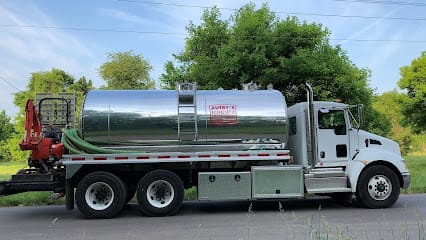
- Complete Septic Tank Pump-Outs: We remove all liquid and solid waste from your tank—not just the liquid layer that’s easiest to pump. Proper pump-outs require breaking up the bottom sludge layer with water jets and extracting it completely, cleaning the scum layer from the top, and leaving your tank empty and ready for another service cycle. Some pumpers charge low prices but only remove the liquid, leaving sludge that shortens the time until your next service. We pump tanks properly, which is why our customers can reliably go 3-5 years between services.
- Effluent Filter Cleaning: Modern septic systems include outlet filters that trap solids before they reach the drainfield—a critical component that many pumpers ignore during routine service. We clean or replace effluent filters as part of every pump-out, ensuring this “kidney” of your system continues protecting the drainfield. Clogged filters cause slow drains and premature backups; keeping them clean maintains system performance between pump-outs.
- Tank Locating for Buried Systems: Older Johnston County properties—particularly in Four Oaks and rural areas—often have septic tanks buried without risers, making them difficult to access. We locate tanks using probe rods and electronic equipment, expose lids for pumping, and can install risers that bring access to ground level for future service. Finding buried tanks saves homeowners the excavation costs and yard damage that occur when contractors dig blindly searching for concrete lids.
- Visual System Inspection: During every pump-out, we inspect inlet and outlet baffles (the tees that prevent scum from leaving the tank), check for cracks or structural damage to concrete tanks, measure scum and sludge levels to confirm pumping frequency is appropriate, and alert homeowners to conditions requiring repair. We’re not trying to sell you unnecessary work, but if we see failing baffles or deteriorating tank integrity, we’ll tell you so you can address problems before they cause system failure.
- Maintenance Records & Reminder Service: We document pump-out dates, measure sludge accumulation rates, and provide reminder calls when your next service is due. For homeowners managing multiple properties or those who simply don’t track maintenance dates, our records ensure you never go too long between pump-outs. Consistent service intervals prevent the emergency calls that cost more and cause household disruption.
Common Septic Maintenance Issues in Smithfield & Surrounding Areas
1. Sludge Buildup from Deferred Maintenance
The Problem: Homeowners who wait 7-10 years between pump-outs often believe they’re saving money by reducing service frequency. In reality, excessive sludge accumulation forces solids into the drainfield, causing the expensive failures that pumping was supposed to prevent. By the time you notice slow drains or sewage odors, your system may already be damaged.
Abel’s Approach: We recommend pumping frequency based on actual household usage—number of occupants, water consumption patterns, presence of garbage disposals. For most Johnston County families, that means service every 3-4 years. Following this schedule prevents sludge from reaching critical levels and protects your drainfield investment.
2. Slow Drains Indicating System Overload
When multiple drains in your home run slowly—toilets that barely flush, sinks that take minutes to empty, showers that pool around your feet—your septic system is sending a clear message: the tank is too full to accept more wastewater. This isn’t a plumbing clog (which affects only one fixture); it’s hydraulic overload from a tank that needs immediate pumping.
Emergency Response: We provide same-day or next-day service for homes experiencing backup symptoms. Stop using water immediately—don’t run dishwashers, washing machines, or take long showers. Every gallon you add to an overloaded system brings sewage closer to backing up into your home. Once we pump the tank, normal drainage resumes immediately.
3. Buried Tank Lids Requiring Excavation
Many older Johnston County septic tanks were installed with lids buried 12-24 inches below grade. Every pump-out requires digging to expose these lids, adding time and expense to routine maintenance. Over years of service, the cumulative excavation costs exceed the price of installing permanent risers.
Riser Installation Benefits: We can install risers that bring tank access to ground level, eliminating future excavation. Green or black plastic risers with secure lids provide permanent access for pump-outs, inspections, and filter cleaning. The upfront investment (typically $300-500) pays for itself within a few service cycles through reduced labor costs and eliminated yard repair.
4. Overdue Maintenance on Older Systems
Homes in Selma’s historic neighborhoods and rural areas around Benson often have septic systems installed 30-50 years ago. If current homeowners don’t have maintenance records and can’t remember when tanks were last pumped, these systems may be severely overloaded. The longer a tank goes without service, the more likely it is to have caused drainfield damage that pumping alone can’t fix.
Assessment for Unknown Service History: We measure sludge depth during first-time service to assess how long the tank has gone without pumping. If sludge occupies more than one-third of the tank’s depth, the system is overdue and may have already compromised the drainfield. We provide honest feedback about system condition and recommend monitoring for signs of drainfield stress after pumping.
Why Johnston County Homeowners Trust Abel Septic (4.4 Stars)
Fair, Transparent Pricing: We quote prices upfront based on tank size and accessibility—no surprise fees for “extra sludge” or “difficult access” that should have been included in the base price. The price we quote is the price you pay. For Johnston County homeowners tired of contractors who lowball estimates then add charges during service, our straightforward pricing builds trust.
Complete Pump-Outs (Not Just Liquid Removal): Some pumpers charge low prices but only remove the liquid layer from your tank, leaving sludge that forces you to call back in 12-18 months instead of 3-5 years. We break up and remove the bottom sludge layer completely, extract the floating scum layer, and leave your tank properly empty. This thorough approach means you get the full service interval your payment should provide.
Honest System Assessments: We’re not trying to sell you drainfield replacements or unnecessary repairs. If your tank and baffles are in good condition, we tell you so. If we notice problems that need attention, we explain what we found and why it matters—then let you decide how to proceed. Many customers appreciate that we focus on pumping, not pushing repair services.
Reliable Scheduling & Service: We show up on the day we schedule—not “sometime this week” with vague timeframes that force you to wait around all day. For working homeowners who can’t afford to miss multiple days waiting for contractors, our reliable scheduling makes routine maintenance less disruptive. We call if we’re running late and work efficiently once on-site.
Local Knowledge of Johnston County Systems: We’ve serviced thousands of septic systems across Smithfield, Selma, Clayton, and surrounding communities. We know which neighborhoods have older concrete tanks prone to baffle deterioration, where sandy soils require more frequent pumping, and how Johnston County’s growth patterns affect septic maintenance needs. This local experience helps us provide better service than regional companies trying to cover too much territory.
Ready to Schedule Your Pump-Out?
Whether you’re due for routine maintenance, experiencing slow drains that indicate an overloaded tank, or purchased a home without septic service records, Abel Septic Tank Cleaning provides the thorough cleaning Johnston County systems need to function reliably.
Contact Abel Septic Tank Cleaning at (919) 989-6741 to schedule service, or Request a Quote for tank locating and riser installation on buried systems.
From Smithfield’s Old Olive Road to rural properties across Johnston County, we provide the honest septic pumping that extends system life and prevents expensive drainfield failures—one complete pump-out at a time.