Mastering McDowell County’s Mountain Terrain
Lake James’s appeal—dramatic elevation changes, forested slopes dropping toward pristine water, mountain views that stretch across multiple ridgelines—creates significant site preparation challenges. Properties that offer the best views often present the worst building conditions: steep grades requiring extensive cut-and-fill operations, bedrock that limits foundation options, and drainage patterns that concentrate mountain runoff into erosive torrents.
Bennick Grading & Excavation specializes in the heavy excavation work that Western North Carolina’s terrain demands. We bring the equipment capacity to move significant volumes of rock and soil, the engineering knowledge to design stable building pads on challenging slopes, and the operational experience to manage the drainage complexities that determine whether your mountain property becomes a dream home or an erosion disaster.
What Mountain Site Preparation Requires:
- Creating Level Building Pads on Steep Hillsides: Many Lake James properties feature natural grades of 20-40%. Building on these slopes requires precision grading to create level foundation areas while maintaining structural stability. We calculate cut-and-fill ratios that balance excavation costs against the risk of slope failure, design retaining systems when necessary to support building pads, and manage the massive soil volumes that mountain grading generates.
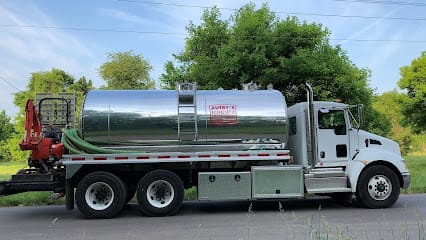
- Installing Septic Systems That Function on Slopes: Conventional gravity septic systems fail on steep terrain—effluent flows too quickly through drainfields, pipes don’t maintain proper fall rates, and hillside erosion undermines lateral lines. We install pressure distribution systems designed for slope conditions, engineer drainfield placement that works with (not against) natural drainage patterns, and integrate erosion control measures that protect system longevity.
- Cutting Safe Driveways into Mountain Access: Reaching your building site often requires cutting roads through slopes that exceed standard driveway grades. We design access routes that balance acceptable inclines with the excavation volume required, install proper drainage to prevent washout during mountain storms, and grade surfaces that function year-round—not just during dry summer months when soft soils haven’t yet revealed their instability.
- Managing Bedrock Excavation: McDowell County’s bedrock often lies just feet below the surface. Basement excavation, utility trenching, and septic tank installation frequently encounter solid rock requiring hydraulic hammers or controlled blasting. We assess subsurface conditions before mobilizing equipment, bring the rock-breaking capacity your site demands, and manage the slower pace and higher costs that bedrock work requires.
Complete Site Development Services for Mountain Properties
Bennick Grading & Excavation provides the full range of earthmoving services required to transform raw mountain land into buildable construction sites:
- Land Clearing & Forestry Mulching: Mountain lots often feature dense timber and understory vegetation that must be removed before grading begins. We provide forestry mulching for smaller trees and brush, conventional clearing for mature timber, and stump removal that prepares sites for final grading. Proper clearing creates working room for heavy equipment and prevents organic debris from contaminating fill areas.
- Site Grading & Building Pad Creation: Transforming sloped terrain into level construction sites requires moving substantial soil volumes while maintaining slope stability. We cut into hillsides to create building pads, use excavated material as engineered fill when conditions permit, and compact all fill areas to structural specifications. Our grading work creates the stable foundation that everything else depends on.
- Basement & Foundation Excavation: Mountain homes frequently feature daylight basements that take advantage of slope conditions—full-height living space on the downhill side, earth-sheltered thermal mass on the uphill side. We excavate to precise elevations that match architectural plans, manage groundwater encountered during excavation, and expose bedrock when foundation designs require bearing on solid rock.
- Septic System Installation & Repair: Installing septic systems on mountain properties requires specialized knowledge of hillside drainage, pressure distribution design, and erosion control. We perform percolation testing that accounts for slope conditions, design drainfield layouts that function reliably on hillsides, and install systems that meet McDowell County’s hillside septic requirements. For existing system failures, we diagnose whether problems stem from design flaws, installation errors, or simply the reality that conventional systems can’t handle your property’s slope.
- Driveway Construction & Mountain Road Building: Access roads on steep terrain require careful grade management, adequate drainage infrastructure, and surface materials that resist erosion. We cut driveways that balance acceptable slopes with excavation costs, install culverts and drainage swales that handle mountain runoff, and apply gravel surfaces that provide year-round traction even during winter weather.
- Material Hauling (Gravel, Dirt, Rock): Mountain construction generates massive volumes of excavated material and requires importing gravel for roads, clean fill for grading, and stone for erosion control. We coordinate material hauling that keeps projects moving, source quality materials appropriate for mountain conditions, and manage the logistics of delivering heavy loads on steep access roads.
Common Mountain Site Challenges in the Lake James Region
1. Steep Slopes Requiring Extensive Cut & Fill
The Challenge: Lake James properties often feature natural grades exceeding 30%—slopes where creating a level building pad requires cutting deeply into the uphill side while using that material as fill on the downhill side. Miscalculated cut-and-fill operations either waste money on unnecessary excavation or create unstable fill slopes prone to settlement and erosion.
Bennick’s Approach: We survey existing grades before mobilizing equipment, calculate optimal building pad locations that minimize earthwork volumes, and design fill slopes at angles that ensure long-term stability. Proper compaction of fill materials prevents the settlement that leads to foundation cracking and driveway failure years after construction.
2. Rocky Soil Limiting Standard Excavation Techniques
McDowell County’s geology frequently presents bedrock at shallow depths. Homeowners discover that their dream basement requires blasting through solid rock. Septic tank installation encounters ledge that standard excavators can’t penetrate. Utility trenching hits rock that turns a one-day dig into a week-long ordeal.
Managing Rock Excavation: We bring hydraulic hammer attachments for breaking moderately hard rock, coordinate with blasting contractors when encountering solid ledge, and provide realistic cost estimates that account for rock conditions. Understanding McDowell County’s typical geology prevents the budget surprises that occur when contractors unfamiliar with mountain bedrock encounter conditions they didn’t anticipate.
3. Erosion Control on Disturbed Slopes
Mountain rainstorms deliver high-intensity precipitation that turns freshly graded slopes into erosion disasters. Exposed soil washes downhill, sediment clogs drainage structures, and formerly stable hillsides develop gullies that undermine roads and building pads.
Protecting Your Investment: We install silt fencing and sediment traps during active construction, design drainage swales that direct runoff to stable discharge points, and coordinate vegetation establishment that permanently stabilizes disturbed areas. McDowell County’s erosion control regulations require proper Best Management Practices—we implement these measures proactively rather than reactively after violations occur.
4. Drainage Management Preventing Foundation & Septic Problems
Water flows downhill—a reality that creates concentrated drainage problems on mountain properties. Storm runoff collects from upslope areas and channels through building sites. Groundwater seeps emerge where cuts expose saturated zones. Without proper drainage design, foundations stay perpetually wet and septic drainfields become saturated swamps.
Engineering Proper Drainage: We grade sites to direct surface runoff away from structures, install French drains and curtain drains to intercept subsurface water, and create positive drainage that prevents water from pooling against foundations. For septic systems, we locate drainfields in areas with adequate vertical separation from seasonal water tables and design distribution systems that function during wet periods when soil absorption slows.
Why Lake James Builders & Homeowners Trust Bennick Grading (4.4 Stars)
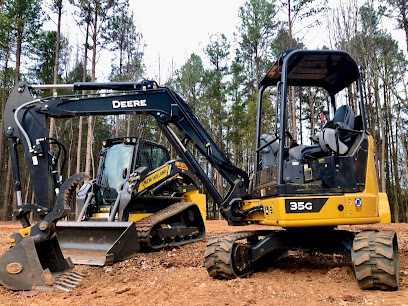
Heavy Equipment Capability: Mountain site work requires more than a standard backhoe and mini-excavator. We bring the equipment capacity necessary to move rock, handle large soil volumes efficiently, and access steep terrain safely. Our fleet includes machines sized appropriately for McDowell County’s challenging conditions—not equipment adequate for flat Piedmont sites but overwhelmed by mountain slopes.
Operational Experience with Difficult Terrain: We’ve shaped hundreds of Lake James-area properties. We know which rock formations require blasting versus hydraulic breaking. We understand how McDowell County’s red clay behaves during wet weather. We’ve learned through experience where slope angles transition from stable to prone to failure. This accumulated knowledge prevents the costly mistakes that occur when contractors unfamiliar with mountain conditions attempt work beyond their experience level.
Realistic Project Planning: Mountain excavation takes longer and costs more than flat-ground work. We provide honest assessments of project timelines and budgets based on actual site conditions—not optimistic estimates that assume everything will go perfectly. When we encounter unexpected bedrock or groundwater, we communicate clearly about impacts to schedule and cost rather than proceeding blindly and presenting surprise bills.
Proper Slope Engineering: Creating building pads on steep terrain isn’t just about moving dirt until things look level. It requires understanding soil mechanics, designing stable cut-and-fill transitions, and implementing drainage that prevents long-term erosion. We engineer sites that remain stable decades after construction—not grading work that looks acceptable initially but develops problems once the first heavy rain tests its adequacy.
Ready to Prepare Your Mountain Property?
Whether you’re developing lakefront property with challenging slopes, building a mountain home that requires extensive rock excavation, or installing a septic system on terrain where conventional approaches fail, Bennick Grading & Excavation brings the heavy equipment capability and operational experience your project demands.
Contact Bennick Grading & Excavation at (828) 659-1000 to discuss your mountain site preparation needs, or Request a Site Visit for projects requiring detailed assessment of terrain challenges.
From clearing raw mountain land to creating stable building pads on the steepest slopes, we provide the earthmoving expertise that makes Western North Carolina’s rugged terrain buildable—one carefully engineered cut at a time.