Siloam’s Septic Profile: Serving the Yadkin Valley’s Rural Communities
Surry County’s predominantly rural character—with Siloam, Pilot Mountain, East Bend, and surrounding communities featuring low-density residential properties, working farms, and scenic mountain foothill landscapes—means nearly all homes rely on private septic systems for wastewater treatment. The area’s position in the Yadkin River valley adds both natural beauty and environmental responsibility to septic system maintenance, as proper wastewater management protects the water quality that defines the region’s character and serves downstream communities.
- Rural Service Challenges: The sparse population density and agricultural character of Surry County means service providers are fewer and farther between than in urban areas, making 24/7 availability particularly valuable when septic emergencies occur on weekends, holidays, or during overnight hours when alternatives may be 30+ miles away or simply unavailable.
- Variable Soil Conditions: The Yadkin Valley’s mix of clay-based soils, loamy bottomlands, and rocky foothill terrain creates diverse septic system challenges—some properties have adequate natural drainage while others struggle with seasonal water table fluctuations, particularly in bottomland areas near the river or its tributaries during wet spring seasons.
- Elevation Diversity: Properties range from Yadkin River valley floor elevations around 800 feet to foothill locations approaching Pilot Mountain’s base at 1,400+ feet, creating varying frost depth concerns, drainage patterns, and system design requirements that contractors must understand for proper installation and maintenance.
- Environmental Stewardship: Proximity to the Yadkin River and its tributaries places septic system maintenance within a broader environmental context—failed or neglected systems risk contaminating groundwater and surface waters that supply drinking water for thousands of downstream residents, making proper maintenance not just a property issue but a community responsibility.
- Agricultural Context: Many properties in East Bend and rural Siloam combine residential septic systems with farming operations, creating complex wastewater management situations where household systems must be maintained separately from agricultural waste handling while property owners balance multiple maintenance demands during busy growing seasons.
Common Septic Issues in Surry County
Emergency Backups: When Systems Fail at Critical Times
Septic emergencies consistently occur at the worst possible moments—during Thanksgiving gatherings when houses fill with extended family, on Friday evenings before long holiday weekends, or in the middle of winter nights when families wake to sewage odors and gurgling drains signaling complete system failure. In Siloam and Pilot Mountain, where properties may be miles from neighbors along rural roads and 20-30 minutes from the nearest town, these emergency situations become genuine crises without immediate professional help. Common emergency scenarios include complete tank overflow (the tank reaches capacity and sewage backs up into the house through lowest fixtures like basement floor drains or first-floor toilets), drainfield saturation during heavy rain events (water table rises or surface water accumulates over absorption areas, preventing effluent disposal and causing rapid tank filling), mainline blockages from tree roots (complete stoppage preventing any drainage from household fixtures), and effluent filter clogs so severe that water can’t exit the tank (a problem that progresses from slow drains to complete backup within hours). These situations demand immediate response—not appointment scheduling for next week—to prevent property damage, health hazards, and the complete loss of household function that occurs when toilets, showers, and sinks become unusable. Brown Trout Septic’s 24/7 emergency availability ensures Surry County families have access to help regardless of when disaster strikes, with technicians who respond promptly to pump overflowing tanks, diagnose system failures, clear blockages, and implement immediate solutions that restore household function while planning permanent repairs if needed.
Full Tanks and Neglected Maintenance: The Preventable Crisis
Many septic emergencies throughout Dobson and East Bend result from simple neglect—homeowners who haven’t pumped tanks in 5, 10, or even 15+ years despite recommendations for 3-5 year maintenance intervals, properties purchased from previous owners who provided no maintenance records, or rental properties where absentee landlords failed to maintain systems properly. As tanks fill with accumulated sludge (heavy solids that settle to the bottom) and scum (lighter materials that float on top), the working volume shrinks progressively until insufficient liquid capacity remains to provide proper settling time for solids separation. At this point, solids begin escaping into the drainfield with the liquid effluent, clogging the absorption area with organic matter that forms thick biomat layers, reducing soil permeability and eventually causing complete drainfield failure. Symptoms progress from slow drains in multiple fixtures (water takes longer to evacuate sinks, tubs, and toilets), gurgling sounds when running water or flushing (air displaced from filling drain lines bubbles back through fixtures), sewage odors near tank access or in the yard (gases from anaerobic decomposition escaping through compromised seals), wet areas or standing water over the drainfield (effluent surfacing because soil can’t absorb any more), to complete backup into the house when the system has no remaining capacity. Brown Trout Septic’s routine pumping services prevent these escalations by removing accumulated solids before they reach levels that threaten drainfield integrity, with technicians who also inspect and clean effluent filters (the “kidney” that catches remaining solids before they enter the drainfield), check inlet/outlet baffles for proper function, and identify developing problems like cracks or deteriorating components before they cause emergencies.
Real Estate Inspection Challenges: Closing Deal Requirements
Septic system inspections required for real estate transactions in Pilot Mountain, Dobson, and throughout Surry County frequently reveal problems sellers were unaware existed, creating time-pressure situations when buyers demand corrections before closing or mortgage lenders refuse financing until systems pass health department standards. Common inspection failures include tanks that require immediate pumping (sludge and scum layers exceed maximum allowable depths), missing or damaged effluent filters that should have been installed or maintained, cracked tank walls or deteriorated baffles that allow effluent leakage or solids escape, drainfield areas showing signs of failure (wet spots, odors, stressed vegetation), and undersized systems that don’t meet current code requirements for the home’s bedroom count. These discoveries create crisis situations—closings scheduled for 2-3 weeks suddenly require expensive repairs, permit applications, and reinspection before proceeding, potentially derailing transactions entirely if problems are severe enough to require complete system replacement. Buyers understandably hesitate to purchase properties with failed septic systems, knowing they face immediate $8,000-$25,000 expenses for replacement. Sellers caught unaware face difficult choices: make expensive repairs to keep sales on track, reduce asking prices to compensate buyers for upcoming costs, or risk losing buyers entirely and relisting properties with known defects that require disclosure to future prospects. Brown Trout Septic’s inspection expertise provides detailed assessments that document exact system conditions with photographs and measurements, offers realistic repair/replacement estimates that allow informed negotiations, and can immediately schedule correction work to minimize closing delays—serving both buyers who need confidence in their purchases and sellers who need problems resolved quickly to preserve sales.
Slow Drains and Warning Signs: The Early Alerts
Many homeowners in Siloam and Mount Airy first notice septic problems through subtle symptoms that gradually worsen—a bathroom sink that drains slightly slower than it used to, toilets that take longer to flush completely, or occasional gurgling sounds from drains when water runs elsewhere in the house. These early warning signs indicate developing problems that will escalate to complete failure if not addressed: tanks approaching capacity and needing pumping, effluent filters becoming clogged with accumulated solids, drainfield areas beginning to saturate from biomat buildup or seasonal water table rise, or mainline obstructions from tree root intrusion that partially block flow. The challenge for homeowners is distinguishing septic system problems from simple fixture-level clogs (a single slow drain likely indicates that fixture’s trap or drain line has accumulated hair or debris) versus whole-house issues (multiple fixtures draining slowly simultaneously suggests tank fullness or drainfield saturation requiring professional attention). Ignoring these symptoms allows problems to progress from manageable maintenance needs to expensive emergency repairs—a full tank requiring pumping becomes a backup into the house requiring emergency service and cleanup, partial drainfield saturation becomes complete failure requiring replacement. Brown Trout Septic’s diagnostic expertise helps homeowners interpret symptoms correctly, determining whether problems require simple pumping and filter cleaning or indicate more serious issues demanding drainfield evaluation or system repair, allowing proactive intervention before emergencies occur.
Seasonal Challenges: Winter Freezes and Spring Saturation
Surry County’s four-season climate creates periodic septic system challenges that require both preventive measures and responsive service. Winter freezes—particularly in higher-elevation properties near Pilot Mountain or exposed locations with shallow soil cover over tanks and lines—can cause system components to freeze, blocking flow and creating backup situations until thawing occurs. Uninsulated tanks in crawl spaces, shallow distribution lines in drainfields, and exterior components like pump chambers are particularly vulnerable during extended cold periods when temperatures remain below freezing for days. Spring wet seasons bring different challenges as heavy rainfall and snowmelt raise water tables throughout the Yadkin Valley, particularly in bottomland areas near the river or its tributaries where seasonal saturation affects drainfield absorption capacity. Properties that function adequately during dry summers may experience slow drains, gurgling fixtures, or even backups during wet springs when saturated soil can’t absorb additional effluent. Brown Trout Septic LLC helps homeowners address these seasonal issues through preventive insulation recommendations for freeze-prone components, emergency service when systems freeze despite precautions, and guidance about managing water usage during wet seasons when absorption capacity is temporarily reduced—along with drainfield evaluation to determine whether chronic wet-season problems indicate undersized systems requiring expansion or simply represent temporary conditions that resolve during drier months.
Drainfield Saturation: When Soil Can’t Absorb Anymore
The most expensive and disruptive septic failure involves drainfield collapse—the point where soil surrounding lateral pipes becomes so saturated with effluent and biological growth (biomat) that it can no longer absorb wastewater, causing backups into the home, standing water or sewage breakthrough in the yard, and foul odors that make properties uninhabitable. In Surry County’s variable soils, drainfield failure typically results from hydraulic overload (more wastewater than the soil can absorb, common when households exceed original design capacity or during wet spring seasons), biomat buildup accelerated by lack of routine tank pumping (solids escaping into the drainfield create thick biological slime that clogs soil pores), seasonal water table rise in bottomland properties (groundwater levels increase during wet periods, saturating drainfield areas from below), or physical damage from vehicles or construction equipment compacting soil over the drainfield area and crushing perforated laterals. Symptoms progress from slow drains and gurgling toilets to complete sewage backup, soggy areas over the drainfield that smell like sewage, and grass that’s suspiciously lush and green (fed by nutrients in escaping effluent). Once drainfield failure occurs, repair options are limited and expensive—sometimes hydro-jetting laterals and resting the system provides temporary relief, but most failures in East Bend and rural Siloam require complete drainfield replacement costing $8,000-$20,000 depending on soil conditions, required system size, and site accessibility. Brown Trout Septic’s drainfield expertise begins with accurate diagnosis using soil probing and system evaluation to determine whether repair or replacement is necessary, then designs new drainfields meeting current Surry County Environmental Health requirements and sized to prevent recurrence.
Complete Septic Solutions for Surry & Yadkin Counties
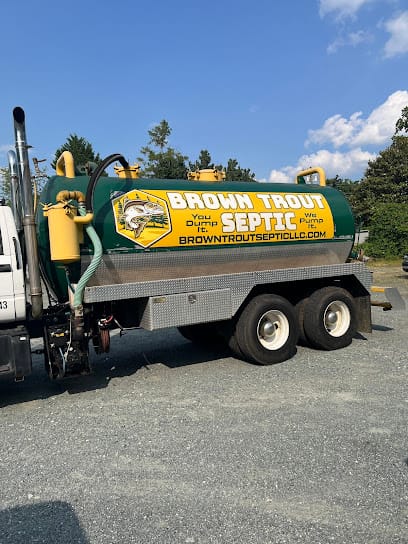
Our directory connects Surry County homeowners with Brown Trout Septic LLC, a locally based contractor that has earned 4.8 stars across 54 reviews by providing the reliable service and genuine availability that rural communities require. Their comprehensive septic services address both routine maintenance needs and emergency situations that can’t wait for standard business hours.
- 24/7 Emergency Septic Service: Round-the-clock availability for critical septic system failures that leave households without functioning wastewater disposal, including emergency tank pumping when systems overflow and backup into homes, mainline clearing when tree roots or other obstructions completely block drainage, effluent filter cleaning or replacement when severe clogs prevent tank outflow, and system diagnosis when failures occur but causes aren’t immediately obvious. Unlike contractors who offer “on-call” service with uncertain response times, Brown Trout Septic maintains true emergency availability with technicians who answer calls and respond promptly regardless of time or day—the middle-of-the-night backup during holiday gatherings, the Sunday afternoon failure when guests are visiting, the Friday evening emergency that can’t wait until Monday morning. For Siloam, Pilot Mountain, and Dobson homeowners where the nearest alternative contractor might be 30+ miles away or simply unavailable outside business hours, this availability provides essential protection against the sanitation crises and property damage that escalate when sewage backups go unaddressed.
- Routine Septic Tank Pumping: Scheduled removal of accumulated sludge and scum layers before they reach levels that allow solids escape into drainfields, preventing the premature system failures that result from neglected maintenance. Service includes thorough pumping that removes both liquid and settled solids (not superficial surface skimming that some discount pumpers provide), inspection and cleaning of inlet/outlet baffles that prevent floating material from leaving the tank, effluent filter cleaning or replacement (this critical component requires servicing every 6-12 months but often gets neglected until complete clogging causes household backups), and comprehensive tank inspection to identify cracks, deteriorating components, or developing problems before they cause emergencies. For Surry County’s soil conditions and typical household sizes, Brown Trout Septic LLC recommends pumping every 3-5 years for standard households, more frequently (every 2-3 years) for homes with garbage disposals, larger families, or properties where soil conditions create additional stress on systems. Service includes pumping records for property files and real estate transaction documentation, with reminder scheduling available so homeowners don’t have to track maintenance intervals themselves.
- Real Estate Septic Inspections: Comprehensive system evaluations required for property sales throughout Pilot Mountain, Dobson, and Mount Airy, providing detailed assessments of tank condition, drainfield functionality, overall system adequacy for the home’s size and bedroom count, and compliance with current Surry County Environmental Health standards. Inspections include locating and accessing tank (installing risers if needed to eliminate future digging), measuring sludge and scum depths to determine immediate pumping needs, inspecting structural condition for cracks or deterioration, checking baffles and filters for proper function, evaluating drainfield areas for signs of failure (standing water, odors, vegetation stress), verifying system capacity meets code requirements, and documenting all findings with photographs and detailed reports suitable for real estate negotiations and mortgage lender requirements. Brown Trout Septic LLC completes most inspections within 2-3 business days of scheduling, providing rapid turnaround essential for transactions approaching closing deadlines. When inspections reveal deficiencies, they provide accurate repair/replacement estimates and can immediately schedule correction work to keep sales moving forward, understanding the time-sensitive nature of real estate transactions and working to help both buyers and sellers reach successful closings.
- Effluent Filter Maintenance: Specialized service for the critical “kidney” component that prevents solids from escaping tanks and clogging drainfields, a component often neglected because many homeowners don’t know filters exist or require regular attention. Filters should be cleaned every 6-12 months depending on household size and water usage, but commonly go years without service until complete blockage causes slow drains or household backups. Brown Trout Septic LLC provides filter cleaning as standalone service or during routine tank pumping, removing accumulated solids, inspecting filter condition for damage or deterioration, and replacing filters that can’t be adequately cleaned or have exceeded useful life. Service includes education about filter location and maintenance intervals so homeowners understand this essential aspect of system care and can monitor for problems between professional services.
- Drainfield Evaluation and Repair: Professional assessment of absorption system problems to determine whether issues stem from temporary conditions (seasonal water table rise, excessive household water usage) or permanent failures requiring intervention. Services include soil probing to map drainfield saturation extent and water table depths, system rest recommendations when appropriate (eliminating household water use temporarily to allow biomat decomposition and soil recovery), hydro-jetting to clear partially blocked lateral lines, and complete drainfield replacement when repair isn’t feasible—including soil testing to locate suitable alternative areas, permit applications with Surry County Environmental Health, system design for current code requirements, and installation meeting all regulatory standards. Brown Trout Septic’s drainfield expertise helps homeowners distinguish between maintenance-solvable problems and fundamental failures requiring replacement, avoiding wasted expense on repairs that can’t succeed while ensuring necessary replacements are sized and positioned correctly to prevent recurrence.
- System Diagnosis and Troubleshooting: Professional investigation of septic problems to determine root causes rather than treating symptoms, particularly valuable when homeowners experience intermittent issues, contradictory symptoms, or problems that don’t respond to initial interventions. Diagnostic services include comprehensive system evaluation checking tank condition and capacity, inlet/outlet baffle integrity, effluent filter function, distribution box level and flow balance, drainfield saturation patterns, and overall system sizing adequacy for household demands. Testing may include water level monitoring, flow measurement, soil probing, and component inspection to pinpoint problems that aren’t immediately obvious. This thorough approach prevents unnecessary expense on ineffective repairs while identifying actual problems requiring correction.
- Maintenance Education and Planning: Guidance helping homeowners understand their septic systems, recognize early warning signs of developing problems, practice water conservation habits that extend system life, and plan appropriate maintenance schedules based on household size, system characteristics, and soil conditions. Services include explaining how systems work (so homeowners understand why maintenance matters), identifying tank and drainfield locations (critical information often lost when properties change hands), providing maintenance interval recommendations specific to each property’s conditions, and offering reminder services so busy homeowners don’t forget scheduled pumping appointments. This educational approach helps prevent emergencies through proactive maintenance rather than reactive crisis management.
- Environmental Stewardship Support: Guidance helping Siloam and Yadkin Valley homeowners protect local water quality through proper septic system maintenance, understanding the connection between individual system care and collective environmental health. Services include explaining how failed systems contaminate groundwater and surface water, recommending appropriate pumping intervals that prevent pollution, identifying best practices for household chemical use that doesn’t harm septic bacteria or create treatment challenges, and promoting responsible wastewater management as community responsibility alongside individual property maintenance. This environmental consciousness reflects Brown Trout Septic’s commitment to protecting the Yadkin River watershed that defines the region’s natural beauty and water resources.
Contact Brown Trout Septic LLC at (336) 649-4902 or their Siloam location on Quaker Church Rd for 24/7 emergency response, routine maintenance scheduling, or real estate inspection appointments throughout Surry and Yadkin Counties.