Laurens County’s Septic Profile: Red Clay Challenges and Historic Systems
Laurens County’s position in South Carolina’s Piedmont region creates distinctive septic system challenges shaped by red clay soil, a mix of historic and modern housing stock, and proximity to Lake Greenwood—the state’s recreational water resource requiring environmental protection. Communities like Laurens, Clinton, and Waterloo rely predominantly on private septic systems, with soil conditions and system age creating maintenance needs that demand both technical expertise and understanding of local conditions.
- Red Clay Soil Reality: Laurens County’s characteristic red Piedmont clay (Cecil-Pacolet series) drains slowly with percolation rates of 60-120 minutes per inch—dramatically slower than the 10-30 minute rates in coastal sandy soils—requiring larger drainfield areas, more frequent maintenance, and careful attention to hydraulic loading to prevent premature saturation and system failure.
- Historic System Prevalence: Clinton‘s mill village neighborhoods and rural Laurens properties often contain septic systems installed in the 1920s-1960s when standards were less stringent—undersized tanks, clay tile laterals subject to root intrusion and collapse, missing effluent filters, and designs that don’t meet current DHEC requirements, creating both maintenance challenges and replacement needs when systems finally fail.
- Lake Greenwood Environmental Concerns: Properties in Waterloo, Cross Hill, and along the lake’s shoreline face heightened scrutiny regarding septic system maintenance, as failed or neglected systems risk contaminating the lake through groundwater seepage or surface runoff during rain events, affecting both water quality and the recreational economy that defines the area.
- Agricultural Context: Many rural properties combine residential septic systems with farming operations, creating situations where household wastewater management must be maintained separately from agricultural activities while property owners balance competing maintenance demands during busy planting and harvest seasons.
- Mixed Development Patterns: The county’s mix of rural farmland, historic small-town neighborhoods, and newer lakefront development creates diverse service needs—from straightforward maintenance on modern systems to complex diagnosis of aging infrastructure to environmental compliance monitoring near protected waters.
Common Septic & Drain Issues in Laurens County
Clay Soil Drainage Challenges: Fighting Slow Percolation
Red Piedmont clay’s slow drainage characteristics create constant pressure on septic drainfields throughout Laurens and Clinton, where soil can’t absorb effluent as quickly as it enters the system during normal household water usage. This fundamental challenge manifests in several ways: drainfields that function adequately during dry summers but struggle during wet springs when clay stays saturated from rainfall, systems that work fine for small households but fail when families expand or guests visit for extended periods (increasing daily wastewater generation beyond soil absorption capacity), and gradual performance decline as biomat buildup—the natural biological layer forming where effluent contacts soil—thickens beyond the point where adequate bacterial treatment occurs. Symptoms progress from subtle (toilets that flush slightly slower than they used to, occasional gurgling sounds from drains) to obvious (standing water over the drainfield, sewage odors in the yard, complete backup into the house). The slow percolation that defines Laurens County clay means homeowners can’t simply ignore maintenance—tanks that go unpumped allow solids to escape into drainfields, accelerating biomat formation and reducing the already-limited absorption capacity that clay provides. Campbell’s Septic’s experience with local soil conditions helps homeowners understand realistic system limitations, implement water conservation practices that reduce hydraulic stress during wet seasons, and maintain proper pumping schedules (every 3-4 years in clay versus the 5-year intervals sometimes adequate in sandier regions) that prevent the solids escape that accelerates drainfield failure in slow-draining soils.
Root Intrusion in Aging Systems: The Underground Invaders
Historic homes throughout Clinton’s mill villages and rural Laurens properties often contain original clay tile septic lines installed 50-100 years ago when that material was standard. Unlike modern PVC pipe with sealed joints, clay tile sections connect with open joints that roots easily penetrate, seeking the nutrient-rich environment inside septic lines. Once roots establish inside pipes, they expand into dense masses that completely block flow, causing backups that require emergency clearing. The problem intensifies in Laurens County where mature oaks, pecans, and pines send extensive root systems throughout properties—the same trees that provide valuable shade and property character become threats to underground infrastructure. Symptoms include drains that work fine for weeks then suddenly back up (roots accumulate to blocking levels), recurring clogs in the same location (roots regrow after mechanical clearing unless the underlying pipe damage is repaired), and complete stoppages during dry summers (roots expand into pipes seeking moisture when surface water is scarce). Traditional solutions involve periodic mechanical root cutting using specialized augers that chew through root masses—providing temporary relief lasting 12-24 months before regrowth necessitates another clearing. Permanent solutions require replacing deteriorated clay tile sections with modern PVC that roots can’t penetrate, though homeowners often delay this expensive option until repeated emergency clearing costs exceed replacement investment. Campbell’s drain cleaning expertise handles both emergency root clearing to restore immediate function and can identify sections requiring replacement to prevent recurring problems, helping homeowners make informed decisions about when temporary fixes remain cost-effective versus when permanent repairs become necessary.
Full Tanks and Emergency Backups: The Preventable Crisis
Many septic emergencies throughout Laurens and Waterloo result from simple neglect—homeowners who haven’t pumped tanks in 5, 10, or 15+ years despite recommendations for 3-4 year intervals in clay soil conditions. As tanks fill with accumulated sludge (heavy solids settling to the bottom) and scum (lighter materials floating on top), working volume shrinks until insufficient liquid capacity remains for proper settling and solids separation. At this critical point, solids begin escaping into drainfields with liquid effluent, creating the thick biomat deposits that clog soil pores and prevent adequate absorption—particularly problematic in Laurens County’s already slow-draining red clay. Symptoms escalate from inconvenient (slow drains requiring extra time for sinks and tubs to empty) to disruptive (gurgling toilets and backing fixtures when multiple water sources run simultaneously) to catastrophic (complete sewage backup into the house through lowest fixtures when the tank has literally no remaining capacity). Emergency situations often occur during the worst possible moments—Thanksgiving when houses fill with extended family, holiday weekends when service is harder to access, or middle-of-the-night discoveries when families wake to sewage odors signaling complete system failure. Campbell’s Septic’s routine pumping services prevent these escalations by removing accumulated solids before they threaten drainfield integrity, with technicians who also inspect and clean effluent filters (many homeowners don’t realize these critical components exist or require service), check inlet/outlet baffles for proper function, and identify developing problems like cracks or deteriorating components before they cause expensive emergencies requiring weekend or after-hours response.
Drain Line Clogs: From Fixtures to Tank
Beyond the septic tank itself, household drain lines connecting fixtures to the main waste line frequently clog from hair, grease, soap scum, and accumulated debris—creating problems that manifest as septic issues but actually originate in the plumbing system. Kitchen drains accumulate grease despite homeowners’ best efforts to avoid pouring fats down sinks (residual grease from plates and pots gradually coats pipe interiors, trapping food particles and forming stubborn blockages), bathroom drains collect hair and soap that combine into dense masses particularly problematic in homes with long-haired occupants, and main sewer lines between the house and septic tank develop clogs from inappropriate items flushed down toilets (despite warnings, people flush wet wipes, feminine products, and other non-degradable materials that don’t break down and eventually create blockages). The challenge for Clinton and Laurens homeowners is distinguishing drain clogs from septic system failures—a single slow fixture suggests a localized drain problem, while multiple slow fixtures throughout the house indicate main line blockage or tank-level issues requiring different intervention. Campbell’s combined septic and drain expertise addresses problems at any point in the wastewater pathway: clearing individual fixture drains with cable augers, removing main line blockages with specialized equipment, or pumping full tanks when the system—not just the pipes—is the issue. This comprehensive capability means one service call often solves problems that might otherwise require coordinating between separate plumbing and septic contractors, saving homeowners both time and the frustration of determining which specialist to call.
Real Estate Inspection Surprises: The Deal-Threatening Discoveries
Septic system inspections required for property sales throughout Laurens County frequently reveal problems sellers didn’t know existed, creating crisis situations when buyers demand corrections before closing or mortgage lenders refuse financing until systems pass DHEC standards. Common inspection failures include tanks requiring immediate pumping (sludge and scum layers exceed maximum allowable depths—often because systems haven’t been pumped in a decade or more), missing or damaged effluent filters (either never installed in older systems or deteriorated beyond function), cracked tank walls that leak effluent into surrounding soil (concrete tanks eventually fail from age and soil pressure), drainfield areas showing visible failure signs (standing water, sewage odors, or stressed vegetation indicating effluent surfacing), and undersized systems that don’t meet current code requirements for the home’s bedroom count (common in properties expanded over decades without corresponding septic system upgrades). These discoveries create intense time pressure—closings scheduled for 2-3 weeks suddenly require expensive repairs, permit applications where system modifications need DHEC approval, and reinspections before transactions can proceed. Buyers understandably hesitate purchasing properties with failed systems, knowing they face immediate $8,000-$25,000 expenses for replacement. Sellers caught unaware must choose between expensive last-minute repairs to keep sales on track, reducing asking prices to compensate buyers for upcoming costs, or risking transaction collapse and relisting with known defects requiring disclosure to future prospects. Campbell’s Septic’s inspection expertise provides detailed assessments documenting exact system conditions with photographs and measurements, realistic repair/replacement estimates enabling informed negotiations, and immediate scheduling capability for correction work that minimizes closing delays—serving both buyers needing confidence in their purchases and sellers needing problems resolved quickly to preserve sales momentum.
Lake Greenwood Properties: Environmental Responsibility
Homes in Waterloo, Cross Hill, and along Lake Greenwood’s shoreline carry additional septic system responsibility beyond basic property maintenance—their wastewater management directly affects the lake’s water quality, recreational value, and ecological health. Failed or neglected systems near the lake risk groundwater contamination that eventually reaches the water body through subsurface flow, or surface water pollution during rain events when saturated drainfields allow effluent to run off into storm drainage or directly into the lake. South Carolina DHEC enforces strict setback requirements from water bodies (systems must be positioned adequate distances from shorelines) and investigates complaints about visible system failures that might threaten water quality. Property owners face both regulatory consequences (fines and mandatory correction orders) and social responsibility (neighbors who recreate on the lake have legitimate concerns about pollution sources). Lakefront properties often face additional challenges from shallow water tables (groundwater sits close to the surface near the lake, reducing the unsaturated soil depth available for effluent treatment) and sandy soils near the shoreline that drain quickly but provide less bacterial filtration than clay soils (effluent moves through sand rapidly, reaching groundwater before adequate treatment occurs). Campbell’s Septic’s environmental awareness includes understanding these lakefront-specific concerns, maintaining proper pumping schedules that prevent system overload and failure, and helping homeowners implement best practices (water conservation, proper maintenance) that protect both their property investment and the shared water resource that makes Lake Greenwood valuable.
Historic Mill Village Systems: Clinton’s Aging Infrastructure
Clinton’s historic mill village neighborhoods—built primarily in the 1920s-1950s to house textile workers—contain septic systems of similar vintage that present unique challenges. These aging systems feature undersized tanks (500-750 gallons versus the 1,000+ gallon minimums required today), clay tile laterals prone to root intrusion and collapse, missing effluent filters (not invented when systems were installed), and designs that don’t meet current DHEC standards. Many have been “patched” repeatedly over decades with repairs that addressed immediate problems without comprehensive upgrades, creating complex situations where portions of the system are original, other sections reflect repairs from various decades, and overall functionality depends on components of varying ages and conditions. Symptoms include chronic performance issues (slow drains that never fully resolve, recurring backups requiring periodic emergency clearing, or seasonal failures during wet springs that mysteriously improve during dry summers), and eventual complete failures requiring replacement rather than repair when the cost of correcting all deficiencies exceeds new system installation expense. Homeowners in these historic neighborhoods face difficult decisions: continue patching aging systems with diminishing returns, or invest in complete replacement providing decades of reliable service but requiring significant upfront expense. Campbell’s Septic’s experience with Clinton’s historic housing stock helps homeowners navigate these decisions through honest assessment of whether systems can be maintained economically versus when replacement becomes the only viable long-term solution, providing realistic cost estimates for both approaches so families can make informed choices based on their circumstances and plans for the property.
Complete Septic & Drain Solutions for Laurens County
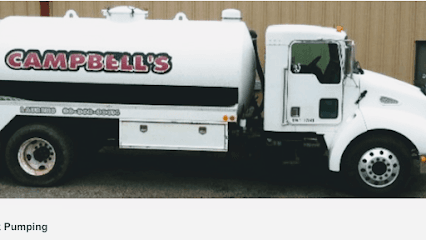
Our directory connects Laurens County homeowners with Campbell’s Septic Tank Pumping, a locally based contractor that has earned an exceptional 4.9-star reputation across 53 reviews by providing honest, reliable service that treats customers like neighbors. Their comprehensive capabilities address both septic system maintenance and drain line problems, making them the single contact homeowners need for complete wastewater system care.
- Septic Tank Pumping: Thorough removal of accumulated sludge and scum layers before they reach levels that allow solids escape into drainfields, preventing the premature system failures that result from neglected maintenance. Service includes complete pumping that removes both liquid and settled solids (not superficial surface skimming), inspection and cleaning of inlet/outlet baffles preventing floating material from leaving the tank, effluent filter cleaning or replacement (this critical component requires servicing every 6-12 months but often goes neglected until complete clogging causes household backups), and comprehensive tank inspection identifying cracks, deteriorating components, or developing problems before they cause emergencies. For Laurens County’s red clay soil conditions, Campbell’s Septic recommends pumping every 3-4 years for standard households—more frequently than the 5-year intervals sometimes adequate in sandier coastal regions—because clay’s slow drainage makes systems more vulnerable to hydraulic overload when tanks approach capacity. Service includes pumping records for property files and real estate transaction documentation.
- Drain Line Cleaning: Professional clearing of clogged household drains and main sewer lines using appropriate equipment for different blockage types, including cable augers for routine stoppages (hair, grease, and soap accumulation in fixture traps and branch lines), specialized cutting heads for root intrusion in main lines connecting houses to septic tanks, and hydro-jetting for severe blockages requiring high-pressure water to scour pipe interiors clean. Services address problems at any point in the drainage pathway from kitchen and bathroom fixtures through branch lines to main waste lines and septic tank inlets. Campbell’s dual expertise in both drain clearing and septic maintenance means technicians can accurately diagnose whether slow drains result from pipe-level clogs (solvable through mechanical cleaning) versus full tanks or drainfield saturation (requiring septic system service)—avoiding the trial-and-error approach that occurs when homeowners must guess which specialist to call.
- Real Estate Septic Inspections: Comprehensive system evaluations required for property sales throughout Laurens, Clinton, and Waterloo, providing detailed assessments of tank condition, drainfield functionality, overall system adequacy for home size and bedroom count, and compliance with current South Carolina DHEC standards. Inspections include locating and accessing tank (installing risers if needed to eliminate future digging), measuring sludge and scum depths determining immediate pumping needs, inspecting structural condition for cracks or deterioration, checking baffles and filters for proper function, evaluating drainfield areas for failure signs (standing water, odors, vegetation stress), verifying system capacity meets code requirements, and documenting all findings with photographs and detailed reports suitable for real estate negotiations and mortgage lender requirements. Campbell’s Septic completes most inspections within 2-3 business days of scheduling, providing rapid turnaround essential for transactions approaching closing deadlines. When inspections reveal deficiencies, they provide accurate repair/replacement estimates and can immediately schedule correction work to keep sales moving forward.
- Baffle Inspection and Repair: Specialized service for the inlet and outlet tees (baffles) that prevent floating scum from leaving the tank and entering either the house drainage (inlet side) or the drainfield (outlet side). These critical components—typically constructed from concrete or PVC—eventually deteriorate from constant sewage exposure and hydrogen sulfide gas corrosion, particularly in older Clinton systems where original concrete baffles may be 50+ years old. Failed baffles allow scum to escape into drainfields, accelerating clogging and system failure, or to back up into household plumbing. Baffle inspection during routine pumping catches deterioration before complete failure, allowing proactive replacement that prevents expensive emergency repairs.
- Emergency Backup Response: Prompt service for critical situations when septic systems overflow and backup into homes, main drain lines completely block, or other urgent problems make properties temporarily uninhabitable. While not offering 24/7 service, Campbell’s Septic prioritizes emergency calls during business hours and provides guidance for temporary measures (water usage cessation, valve shutoffs) that minimize damage until technicians arrive. Emergency services focus on rapid diagnosis, immediate solutions restoring basic function (tank pumping, drain clearing, or temporary repairs), and coordination of permanent corrections if problems require extended repair timelines or permit applications.
- System Evaluation and Consulting: Professional assessment helping homeowners understand their septic systems, distinguish between maintenance-solvable problems and fundamental failures requiring replacement, and make informed decisions about repair versus replacement when systems approach end of useful life. Services include explaining how systems work (so homeowners understand why maintenance matters), identifying tank and drainfield locations (information often lost when properties change hands), evaluating whether chronic problems stem from inadequate maintenance versus undersized or failed systems requiring upgrade, and providing realistic cost estimates for both continued maintenance and complete replacement—helping families choose the most cost-effective approach based on their circumstances and property plans.
- Water Conservation Guidance: Education helping Laurens County homeowners reduce water usage in ways that extend septic system life and reduce hydraulic stress on clay soil drainfields, particularly valuable during wet seasons when soil absorption capacity is already compromised by rainfall. Recommendations include spreading laundry over multiple days rather than marathon weekend washing, fixing leaky toilets and faucets that waste water continuously, avoiding long showers during wet periods when drainfields struggle to absorb normal household loads, and implementing simple practices (full dishwasher and washing machine loads versus partial loads, turning off water while brushing teeth) that cumulatively reduce daily wastewater generation and system stress.
- Environmental Stewardship Support: Guidance helping Lake Greenwood area homeowners understand their role in protecting water quality through proper septic system maintenance, recognizing the connection between individual system care and collective environmental health. Services include explaining how failed systems contaminate groundwater and surface waters, recommending appropriate maintenance intervals that prevent environmental impacts, and promoting responsible wastewater management as both property maintenance and environmental responsibility—particularly important for Waterloo and Cross Hill properties where septic system performance directly affects the recreational water resource that defines the area’s economy and quality of life.
Contact Campbell’s Septic Tank Pumping at (864) 682-0230 or their Laurens location on US Highway 221 South to schedule routine pumping, request drain cleaning services, arrange real estate inspections, or discuss septic system concerns throughout Laurens County.