McLeansville’s Water System Profile: Private Wells Require Specialized Expertise
Guilford County’s northeastern communities—particularly McLeansville, Browns Summit, and Sedalia—rely predominantly on private well systems for residential water supply, creating service needs that extend far beyond standard municipal plumbing. These complete water systems involve underground wells drilled 150-400 feet into Triassic Basin aquifers, submersible pumps that lift water to the surface, pressure tanks and control systems that regulate household delivery, water treatment equipment addressing the iron and hardness common in local groundwater, and household plumbing distributing treated water to fixtures throughout the home.
- Well System Dependence: Properties throughout McLeansville and Browns Summit operate entirely independent of municipal water, making well pump failures and pressure system breakdowns genuine household crises that leave families with zero water for drinking, cooking, bathing, laundry, or toilet flushing until expert help restores service.
- Triassic Basin Aquifer Characteristics: Local wells tap confined aquifers in sedimentary rock formations 150-400 feet underground, yielding water with distinctive chemistry—typically elevated iron (1-5 mg/L causing reddish-brown staining), moderate to high hardness (8-15 grains per gallon creating scale buildup), and sometimes low pH (acidic conditions below 7.0 that corrode copper plumbing in newer homes).
- Dual Expertise Requirement: Effective well system maintenance demands both licensed plumbing knowledge (for household distribution, fixtures, and water heaters) and specialized well service expertise (for submersible pumps, pressure systems, and groundwater treatment)—a combination few contractors offer, forcing homeowners to coordinate between separate plumbing and well companies when problems span both domains.
- Emergency Service Criticality: Unlike municipal water customers who can call utility companies for 24/7 emergency response, private well owners depend on finding contractors willing and able to respond outside business hours when pumps fail on weekends, holidays, or middle-of-the-night situations that can’t wait until Monday morning.
Common Water System Issues in McLeansville & Guilford County
Complete Water Loss: The “No Water” Emergency
The most urgent crisis facing McLeansville and Browns Summit homeowners occurs when well systems completely fail, leaving households with zero water from any tap, toilet, or appliance. Unlike municipal customers who experience outages lasting hours while utilities make repairs, private well failures continue until homeowners arrange professional diagnosis and repair—potentially days if failures occur over weekends or holidays when contractors are unavailable or if parts require ordering. Common causes of total water loss include submersible pump failure (the electric motor 150-300 feet underground burns out after 15-20 years of service or fails prematurely due to electrical surges, bearing wear, or sand intrusion), pressure switch malfunction (the control that tells the pump when to activate sticks in the “off” position, preventing pump operation even when components are otherwise functional), pressure tank failure (the bladder inside the tank that maintains system pressure ruptures, causing pumps to short-cycle and eventually burn out or preventing pressure buildup needed for household delivery), electrical problems (tripped circuit breakers, damaged wiring from lightning strikes, or corroded connections preventing power delivery to pumps), and well yield depletion (aquifer levels drop during droughts, causing wells to temporarily run dry until groundwater recharges). Symptoms escalate rapidly from reduced water pressure at fixtures to complete flow cessation, often accompanied by strange sounds (clicking pressure switches, running pumps that don’t deliver water, or silence when switches should activate pumps). Households without water face immediate sanitation crises—toilets won’t flush, dishes can’t be washed, showers are impossible, and drinking water requires purchasing bottled supplies or seeking alternatives at neighbors’ homes or public facilities. Clarence M Stanley’s 24/7 emergency well service ensures McLeansville area homeowners have access to expert help regardless of when systems fail, with technicians who rapidly diagnose problems (pump replacement, pressure switch repair, electrical troubleshooting, or well rehabilitation), carry common replacement components on service vehicles for immediate installation, and restore water service as quickly as technically feasible to minimize household disruption.
Low Water Pressure: The Gradual Performance Decline
Many Gibsonville and McLeansville homeowners experience gradually declining water pressure that progresses from barely noticeable to seriously problematic over months or years, creating frustration when multiple fixtures run simultaneously (showers reduce to trickles when toilets flush, washing machines take forever to fill, or outdoor hose connections lack adequate flow for yard watering). Low pressure in well systems typically stems from different causes than municipal low pressure, requiring specialized diagnosis: pressure tank waterlogging (the air bladder that maintains system pressure leaks, allowing water to compress air and eliminate the cushion that moderates pump cycles, causing pumps to run excessively while failing to maintain adequate pressure), incorrect pressure switch settings (switches adjusted to activate at insufficient pressures or with too-narrow differential between cut-in and cut-out settings), undersized or failing pumps (original equipment inadequate for household needs after additions or expansions, or aging pumps losing capacity to lift water from increasing depths as aquifer levels drop), well yield limitations (aquifer can’t supply adequate volume during peak usage periods, causing pressure drops when multiple fixtures draw water), clogged screens or filters (sediment accumulation at pump intakes or in household filtration equipment restricts flow), and iron bacterial growth (iron-oxidizing bacteria colonize well casings and pumps, creating slime deposits that restrict water movement). Additional complexity comes from distinguishing localized fixture problems (single faucet aerators clogged with mineral deposits) from whole-house pressure issues requiring system-level intervention. Clarence M Stanley’s diagnostic expertise systematically identifies root causes through pressure testing at multiple points in the system, pump performance evaluation, water flow measurement, and inspection of tanks, switches, and filtration equipment—leading to targeted repairs (pressure tank replacement, switch adjustment, pump upgrade, well rehabilitation, or filter cleaning) that restore adequate pressure without unnecessary component replacement.
Water Quality Problems: Iron Staining and Hard Water
Homeowners throughout McLeansville, Browns Summit, and Sedalia commonly struggle with water quality issues rarely encountered by municipal water users, particularly the reddish-brown iron staining that appears on sinks, tubs, toilets, laundry, and outdoor surfaces where well water contacts air and iron oxidizes into visible rust-colored deposits. Guilford County’s Triassic Basin groundwater typically contains dissolved iron at concentrations of 1-5 mg/L (EPA’s aesthetic guideline is 0.3 mg/L), creating staining that worsens over time as iron accumulates in fixture surfaces, permanently discoloring porcelain and requiring aggressive cleaning products that homeowners find frustrating and expensive. Manganese (creating black staining) sometimes accompanies iron, compounding the problem. Hard water minerals (calcium and magnesium carbonates at 8-15 grains per gallon in local wells) create additional quality issues: scale deposits in water heaters that reduce heating efficiency and eventually cause failure, reduced soap effectiveness requiring more detergent for cleaning and laundry, spotting on glassware and dishes after washing, and buildup in fixture aerators and showerheads that restricts flow. Some wells produce water with low pH (acidic conditions below 7.0) that corrodes copper pipes in newer homes, creating blue-green staining in sinks and tubs along with potential copper contamination in drinking water. Less common but serious problems include sulfur (hydrogen sulfide gas creating “rotten egg” odor), bacterial contamination requiring shock chlorination or UV treatment, and excessive sediment from poorly developed wells or deteriorating casings. Clarence M Stanley’s water treatment expertise addresses these challenges through comprehensive water testing to identify specific contaminants and concentrations, followed by appropriate treatment system recommendations: iron removal filters using oxidation and filtration media, water softeners that exchange hardness minerals for sodium, acid neutralizers that raise pH to protect plumbing, sediment filters that remove particulates, and combination systems addressing multiple issues simultaneously. Installation includes proper sizing for household water demand, integration with existing plumbing without restricting flow, and maintenance education so homeowners understand required filter changes, salt additions, and periodic system servicing that keeps treatment equipment functioning effectively.
Well Pump Failures: The Underwater Component Challenge
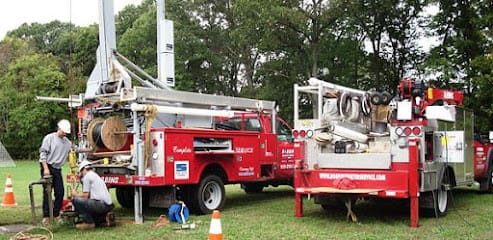
Submersible pump failures create unique challenges because the failed component sits 150-300 feet underground at the bottom of a 6-inch diameter well casing, inaccessible without specialized equipment to pull the pump, pressure pipe, and electrical cable to the surface. Pumps fail through several mechanisms: motor burnout (electrical windings overheat from excessive cycling caused by waterlogged pressure tanks, inadequate voltage, or bearing failures), bearing wear (sediment-laden water accelerates mechanical component deterioration, particularly in sandy wells or those without adequate screening), electrical problems (wire insulation deteriorates from constant submersion, connections corrode, or lightning surges damage motor windings and capacitors), and check valve failure (the valve preventing water from draining back into the well sticks open, causing pump cycling and eventual motor burnout). Symptoms range from obvious (no water at any fixture, pressure switch clicking continuously) to subtle (pumps running longer than normal, pressure fluctuations during use, or reduced flow at fixtures suggesting declining pump capacity). Diagnosis requires understanding pump specifications (horsepower, voltage, wire gauge requirements), system pressures (static level in the well, drawdown during pumping, recovery rates indicating aquifer yield), and electrical supply adequacy (voltage at the well, wire sizing for the run distance from electrical panel to pump). Replacement involves pulling the existing pump (typically 100-300 pounds of equipment from depths requiring mechanical assistance), selecting appropriately sized replacement components (matching motor horsepower to well depth and household demand), installing new pressure pipe and electrical connections, and lowering the assembly to proper depth. Clarence M Stanley’s well pump expertise handles this complex service, maintaining equipment to safely pull and install pumps from various depths, stocking common replacement components to minimize wait times, sizing new pumps correctly for well characteristics and household needs, and testing completed installations to verify adequate pressure and flow before leaving the property.
Pressure System Component Failures: Tanks, Switches, and Controls
The surface components that regulate well system operation—pressure tanks, pressure switches, control boxes, and gauges—fail more frequently than submersible pumps but create equally disruptive water service problems. Pressure tank failures typically involve bladder rupture (the flexible membrane separating air and water inside the tank develops leaks, allowing water to absorb the air cushion that moderates pump cycling), causing pumps to short-cycle (running for just seconds at a time, building pressure rapidly then shutting off, only to restart moments later when even minimal water usage drops pressure below the cut-in setting). This excessive cycling dramatically shortens pump life while creating irritating symptoms like pulsating water flow, hammering sounds in pipes, and pressure switches clicking constantly. Pressure switch problems include contacts welding together (causing pumps to run continuously), mechanical failures preventing switch activation (leaving pumps off despite low pressure), and incorrect adjustment settings (switches set for inadequate pressures or with narrow differentials that cause excessive pump cycling). Control box failures affect three-wire submersible pumps that use separate start and run circuits, with relay contacts and capacitors eventually wearing out from repeated cycling. Less common but significant problems include pressure gauge failure (preventing accurate diagnosis of system pressures), leaking pipe connections at pressure tanks (creating water damage in crawl spaces or basements where equipment is typically located), and corroded electrical connections (causing intermittent operation or complete failure). Clarence M Stanley’s pressure system expertise diagnoses these component failures through systematic testing and pressure monitoring, replaces failed equipment with properly sized components (pressure tanks matched to pump capacity and household demands, switches with appropriate pressure settings and adequate contact ratings), and adjusts systems for optimal performance that balances adequate household pressure with reasonable pump cycling frequency that extends equipment life.
Standard Plumbing Problems: Beyond the Well System
Even homeowners with perfectly functioning well systems face the standard plumbing issues common to all households: dripping faucets (worn washers or cartridges wasting water and creating annoying sounds), running toilets (flapper valves that don’t seal properly or fill valves that don’t shut off, wasting treated well water), water heater problems (tank leaks, inadequate hot water, or complete failures requiring replacement), leaking supply lines under sinks or behind toilets (creating water damage and mold growth), clogged drains (kitchen sinks backing up from grease accumulation, bathroom drains slow from hair and soap), and fixture upgrades during remodeling projects. For well system households, these problems carry additional significance because wasted water impacts both the homeowner’s wallet (electricity costs to pump water) and potentially the well’s sustainability (excessive water waste during droughts can temporarily deplete aquifer recovery capacity). Additionally, the water quality challenges common in McLeansville wells (iron, hardness, low pH) accelerate certain plumbing problems—hard water shortens water heater life through scale accumulation, acidic water corrodes copper pipes and fixtures more rapidly than neutral pH water would, and iron deposits create stubborn staining that standard cleaning doesn’t remove. Clarence M Stanley’s complete plumbing expertise addresses these household needs while understanding their interaction with well systems, providing services from simple faucet repairs to complete water heater replacement, fixture installations during bathroom and kitchen renovations, drain cleaning for stubborn clogs, and leak detection and repair that prevents water damage while conserving well capacity.
New Well Drilling: Establishing Water Sources
Properties in Browns Summit and rural Sedalia without existing water sources, or homes with failed wells requiring replacement, need professional well drilling services that combine geological knowledge with specialized drilling equipment. The process involves selecting drilling locations based on property layout and geological likelihood of adequate aquifer access (while meeting county setback requirements from septic systems, property lines, and potential contamination sources), drilling test holes if yield is uncertain, advancing boreholes through various rock formations to reach productive aquifers (typically 150-400 feet in the Triassic Basin underlying Guilford County), installing well casings and screens to prevent collapse while allowing water entry, developing wells by removing drilling debris and fine sediments that restrict water flow, pump testing to verify adequate yield for household needs (typically 5-10 gallons per minute minimum), and completing installations with sanitary well seals, pitless adapters for freeze-protected connections, and all components needed for functional systems. Well drilling requires permits from Guilford County Environmental Health, yield testing and water quality sampling to document potability, and licensed well contractor credentials that ensure work meets state standards. Clarence M Stanley’s well drilling expertise handles the complete process from initial site evaluation through final pump installation and system startup, coordinating permits, conducting drilling operations that adapt to geological conditions encountered at depth, and establishing functional water sources that meet both county requirements and household demands for reliable supply.
Complete Water System Solutions for Guilford County
Our directory connects Guilford County homeowners with Clarence M Stanley Plumbing & Pump Service, a locally based contractor that has earned 4.8 stars across 153 reviews by providing the comprehensive water system expertise and 24/7 emergency availability that private well properties require. Their integrated services address everything from underground well components to household plumbing fixtures, making them the single contact homeowners need for complete water system reliability.
- 24/7 Emergency Well Service: Round-the-clock availability for critical well system failures that leave households without water, including submersible pump replacement when motors burn out or fail (typically same-day service with common replacement components stocked on service vehicles), pressure system diagnosis and repair when tanks, switches, or controls malfunction, electrical troubleshooting to address power delivery problems preventing pump operation, and temporary solutions when permanent repairs require parts ordering or extended work timelines. For McLeansville and Browns Summit homeowners facing complete water loss on weekends, holidays, or during overnight hours, this availability provides essential protection against the sanitation crises and household disruption that occur when wells fail and help isn’t available until business hours resume days later.
- Well Pump Repair & Replacement: Expert service for submersible pumps including diagnosis of failing components (determining whether problems originate in the downhole pump, surface pressure systems, or electrical supply), pump removal using specialized equipment to safely extract assemblies from depths of 100-400 feet, replacement pump sizing based on well depth, aquifer yield, and household demand (ensuring adequate capacity without oversizing that wastes electricity), installation of new pumps with proper electrical connections and pressure pipe assembly, and system testing to verify adequate pressure and flow before completing service. Services include pressure tank inspection and replacement when waterlogging or bladder failure contributes to pump problems, pressure switch adjustment or replacement to optimize system cycling, and control box service for three-wire pump systems requiring start relays and capacitors.
- Water Treatment System Installation: Comprehensive solutions for the water quality challenges common in Guilford County wells, including iron removal systems using oxidation and filtration media that eliminate the reddish-brown staining plaguing McLeansville homeowners, water softeners that remove hardness minerals causing scale buildup in water heaters and reducing soap effectiveness, acid neutralizers that raise low pH to protect copper plumbing from corrosion, sediment filters that remove particulates from wells with sand intrusion or deteriorating casings, and combination systems addressing multiple quality issues simultaneously (iron, hardness, and low pH are often present together in local groundwater). Services include water testing to identify specific contaminants and concentrations, equipment sizing based on household water demand and treatment capacity requirements, professional installation with proper plumbing integration and backwash drainage, and maintenance education so homeowners understand filter changes, salt additions, and periodic service needs that keep treatment systems functioning effectively long-term.
- Pressure System Service: Diagnosis and repair of the surface components regulating well system operation, including pressure tank replacement when bladders rupture or tanks waterlog (selecting appropriately sized replacements that match pump capacity and provide adequate cycle time), pressure switch adjustment or replacement when contacts fail or settings don’t maintain adequate household pressure, gauge replacement when failed instruments prevent accurate pressure monitoring, and system rebalancing to optimize performance—adequate pressure for household needs while reasonable cycling frequency that extends pump life. Services include identifying and correcting causes of short-cycling (excessive pump on-off frequency that dramatically shortens equipment life), fixing pressure fluctuations that create pulsating water flow or hammering sounds, and addressing control box problems in three-wire pump systems.
- Standard Plumbing Services: Complete residential plumbing addressing household fixture and system needs beyond well components, including water heater repair and replacement (diagnosing inadequate hot water, leaking tanks, or complete failures and installing properly sized replacements with expansion tanks and temperature/pressure relief valves meeting code requirements), faucet and toilet repair (fixing drips, leaks, and running water that waste treated well water), drain cleaning for kitchen and bathroom clogs using appropriate methods (cable augers for routine stoppages, hydro-jetting for severe blockages), leak detection and repair preventing water damage while conserving well system capacity, and fixture installations during remodeling projects. Clarence M Stanley’s plumbing expertise extends to all standard residential needs while understanding their interaction with private well systems—hard water’s impact on water heaters, iron’s contribution to drain clogs and fixture staining, and the importance of water conservation when well yields are marginal during droughts.
- New Well Drilling: Complete well installation services for properties requiring new water sources, including site evaluation to identify suitable drilling locations meeting county setback requirements, permit coordination with Guilford County Environmental Health, drilling operations using appropriate equipment for local geological conditions (advancing boreholes through sedimentary rock formations to productive aquifers typically 150-400 feet deep), well casing and screen installation, well development to remove drilling debris and maximize water flow, pump testing to verify adequate yield for household needs (5-10 gallons per minute minimum), water quality sampling to confirm potability, and complete system installation including pumps, pressure tanks, controls, and household plumbing connections. Services ensure new wells meet both regulatory requirements and practical household demands for reliable water supply.
- Well Inspection & Maintenance: Preventive services that extend well system life and identify developing problems before they cause failures, including annual system evaluations checking pump performance (amp draw testing, pressure measurements, flow rate verification), pressure tank condition assessment (air charge testing, bladder integrity), water quality testing for bacterial safety and mineral content changes, electrical connection inspection for corrosion or deterioration, and well casing integrity for older systems showing signs of potential problems. Maintenance includes pressure tank air charge adjustment, pressure switch cleaning and adjustment, control box contact inspection, and recommendations for component replacement when equipment approaches end of expected service life (allowing proactive replacement before failure rather than emergency service after systems stop working).
- Water Softener Service & Salt Delivery: Ongoing maintenance for installed water treatment systems, including salt delivery service for homeowners who prefer not to handle 40-80 pound bags, resin bed cleaning when softeners lose effectiveness from iron fouling or other contaminants, valve rebuilding when mechanical components wear from repeated cycling, and system reprogramming or adjustment when household water usage changes require different regeneration schedules. Services ensure treatment equipment continues functioning effectively years after installation, maintaining water quality improvements that protect plumbing and improve household water usability.
Contact Clarence M Stanley Plumbing & Pump Service at (336) 697-5524 or their McLeansville location on Bobolink Rd for 24/7 emergency well service, routine maintenance scheduling, water treatment consultations, or standard plumbing repairs throughout Guilford County’s private well communities.