West Columbia’s Sandhills Profile: Why Sandy Soil Creates Plumbing Stress
West Columbia and Lexington County sit in South Carolina’s Sandhills region—a geological belt of deep, well-drained sandy soils distinct from the Piedmont clay to the north and coastal plains to the south. This sand is loose, permeable, and prone to shifting as groundwater levels fluctuate, foundations settle, and landscape features change. For plumbing infrastructure, this creates three persistent challenges:
- Pipe Settling and Bellying in Sandy Soil: Unlike clay soils that hold pipes firmly in place once trenches are backfilled, sandy soil continues shifting for years or decades after installation. Sewer lines, water mains, and drain pipes settle unevenly—creating “bellies” (low spots where pipes sag) that trap debris, grease, and solids. Over time, these low spots become chronic clog points requiring repeated clearing. Eventually, settling creates sufficient stress to separate joints in older cast iron or clay tile pipes, allowing roots to invade or creating leaks that saturate surrounding soil and accelerate further settling. Clear Water Group diagnoses bellies through camera inspections (revealing pipe profiles showing sags and low spots) and addresses them through targeted repairs (excavating and releveling affected sections) or full line replacement when settling has compromised too much of the pipe run.
- Foundation Movement Stressing Indoor Plumbing: Sandy soil beneath West Columbia homes allows foundations to settle gradually over decades. While this settling may be minimal (fractions of inches annually), it’s sufficient to stress plumbing connections—particularly where rigid pipes (cast iron, galvanized steel) connect to modern PVC or where pipes penetrate foundation walls. These stress points develop leaks, joints separate, and fixtures drain poorly as pipes lose proper slope. Homeowners notice: toilets that rock or wobble (wax ring seals failing as toilets shift), slow drains that worsen over years (pipes losing slope from foundation settlement), or mysterious water stains on ceilings below bathrooms (pinhole leaks from stress cracks). Clear Water Group addresses these through proper repairs that accommodate ongoing settlement—using flexible connections, installing proper supports, and ensuring repairs don’t create new stress points.
- Water Conservation and Septic System Protection: Many Lexington County properties use septic systems rather than municipal sewer. In sandy soil, septic drainfields function well when properly maintained but are vulnerable to hydraulic overload—excessive water use that saturates the drainfield and prevents proper effluent treatment. Plumbing leaks (running toilets, dripping faucets, leaking water heaters) add hundreds of gallons daily to septic systems designed for 300-400 gallon household loads. This overload doesn’t just waste water and increase bills—it causes premature septic failure requiring $15,000-$25,000 drainfield replacements. Clear Water Group approaches plumbing repairs with septic protection in mind: fixing leaks promptly, recommending water-efficient fixtures, and educating homeowners about the connection between plumbing health and septic longevity.
If you’re in newer West Columbia or Lexington developments built in the last 10-20 years with modern plumbing and municipal sewer connections, these issues may be minimal. But if you’re in established neighborhoods with 30-50+ year-old infrastructure, on septic systems, or in areas where sandy soil has caused visible settling (cracked driveways, uneven floors, sticking doors), you’re dealing with plumbing stressed by Sandhills soil behavior—requiring contractors who understand these challenges and fix problems with long-term solutions, not temporary patches.
Common Plumbing Issues in West Columbia & Lexington County
1. Running Toilets: The Silent Water Waster
The most common and most damaging plumbing problem Clear Water Group addresses: running toilets that waste water constantly but quietly enough that homeowners don’t notice until water bills spike or septic systems fail. A toilet with a worn flapper valve, corroded flush valve seat, or misadjusted fill valve runs continuously—wasting 200-600 gallons daily depending on severity. Homeowners often don’t hear it (modern toilets run quietly) and don’t see it (water flows directly from tank to bowl without overflow).
The financial and systemic damage is severe: water bills increase $50-$150 monthly, septic systems receive 2-3x their design hydraulic load (causing drainfield saturation and premature failure), and water heaters run excessively (if the running toilet is supplied by hot water lines, though most aren’t). For properties on municipal water AND sewer, the damage is limited to inflated utility bills. But for Lexington County properties on septic, a single running toilet can destroy a drainfield within 1-2 years—costing $15,000-$25,000 to replace versus $75-$150 to repair the toilet.
Clear Water Group diagnoses running toilets through: water meter tests (turning off all fixtures and observing whether the meter continues spinning, indicating hidden leaks), toilet dye tests (adding food coloring to tanks and observing if it appears in bowls without flushing), and component inspection (checking flappers, fill valves, flush valves for wear or damage). Repairs typically involve: replacing flappers ($15-$30 parts, $75-$150 service call), adjusting or replacing fill valves ($25-$50 parts, $100-$200 service), or replacing complete flush valve assemblies when corrosion has damaged seats ($50-$100 parts, $150-$300 service). These repairs prevent thousands in wasted water costs and septic damage.
2. Slow Drains and Mainline Clogs
West Columbia’s sandy soil settling creates pipe bellies—low spots in sewer lines where debris accumulates and clogs form. Unlike sudden clogs from objects flushed down toilets, belly-related clogs develop gradually: drains slow over weeks or months, multiple fixtures back up simultaneously, or sewage backs up into the lowest fixtures (basement toilets, tubs) during heavy water use. Homeowners often treat symptoms (using chemical drain cleaners, plunging repeatedly) without addressing the underlying pipe settling.
Clear Water Group diagnoses through camera inspections—inserting video cameras into cleanouts to survey entire sewer line runs, identifying bellies (visible sags in pipe profiles), root intrusion (at separated joints), or structural damage (cracked or collapsed sections). Treatment depends on severity: simple clogs from debris accumulation are cleared through mechanical snaking or hydro-jetting ($150-$400), bellies causing chronic clogs but with structurally sound pipes can be addressed through targeted excavation and pipe releveling ($1,500-$3,000 for localized repairs), and severe settling with multiple bellies or structural damage requires full line replacement ($3,000-$8,000 depending on length and access difficulty).
Prevention includes: avoiding flushing wipes or non-degradable materials (even “flushable” wipes don’t disintegrate and accumulate in bellies), periodic mainline cleaning for properties with known settling issues (annual or bi-annual preventive snaking costs $150-$300 and prevents emergency backups), and monitoring drain performance (addressing slow drains early before they become complete blockages).
3. Water Heater Failures and Replacements
Water heaters have finite lifespans—typically 8-12 years for tank-style units, 15-20+ years for tankless systems. As they age, tanks develop corrosion, sediment accumulation, and eventual leaks. Water heater failures in West Columbia homes often manifest as: gradual temperature decline (heaters struggle to maintain set temperatures as heating elements fail or sediment insulates tank bottoms), visible rust stains around tank bases (indicating pinhole leaks or pressure relief valve discharge), or catastrophic floods (when tanks rupture suddenly, releasing 40-50 gallons of water into homes).
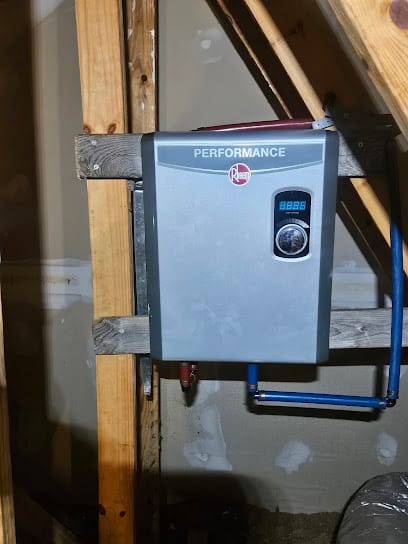
Clear Water Group recommends proactive replacement when water heaters reach 8-10 years of age and show signs of decline—avoiding the property damage and emergency premiums of catastrophic failures. Replacement options include: conventional tank water heaters (40-50 gallon electric units suitable for most West Columbia homes, $800-$1,500 installed), tankless water heaters (on-demand systems providing unlimited hot water but requiring larger electrical service or gas connections, $2,000-$3,500 installed), or hybrid heat pump water heaters (energy-efficient units that reduce operating costs 50-60%, $1,500-$2,500 installed).
For Lexington County homeowners, water heater choice affects not just comfort but utility costs (electric rates in South Carolina average 12-13 cents per kWh, making inefficient tank heaters expensive to operate) and septic impact (tankless systems eliminate standby heat loss and reduce overall household water heating, slightly reducing septic hydraulic load from hot water discharge).
4. Fixture Leaks and Water Damage Prevention
Dripping faucets, leaking toilet supply lines, and weeping shower valves waste water, inflate bills, and create conditions for mold growth and structural damage. Fixture leaks that homeowners often ignore as “minor annoyances” cause cumulative damage: a faucet dripping once per second wastes 3,000+ gallons annually, supply line leaks saturate cabinets and subfloors causing rot and mold, and shower valve leaks damage walls behind tile or fiberglass surrounds.
Clear Water Group addresses fixture leaks through: faucet repair or replacement (rebuilding cartridges or replacing worn washers for repairable units, $100-$200 service, or installing new faucets when repair isn’t cost-effective, $200-$500 including fixtures), toilet supply line replacement (upgrading old corrugated steel flex lines to modern braided stainless, $75-$150 per toilet), and shower valve repair or replacement (accessing valves through walls to replace cartridges, washers, or complete valve bodies, $200-$800 depending on access difficulty and valve type).
The investment in timely leak repairs prevents: water damage requiring $2,000-$10,000+ remediation (subfloor replacement, mold treatment, drywall repair), septic system overload from wasted water, and energy waste (heating water that drips unused down drains). For West Columbia homeowners, fixture maintenance is preventive care protecting both plumbing systems and home structures.
5. Main Water Line Repairs
Water supply lines connecting homes to municipal mains or private wells can develop leaks from: corrosion in older galvanized steel or copper pipes, joint failures from ground settling in sandy soil, or damage from tree roots seeking moisture. Main line leaks manifest as: unexplained water bill increases (indicating water loss between meter and house), wet spots in yards (saturated soil over buried leaks), or pressure loss at fixtures (leaks reducing system pressure).
Clear Water Group diagnoses main line leaks through: pressure testing (isolating sections of supply lines and monitoring for pressure drops indicating leaks), visual inspection of exposed sections (where lines enter homes or pass through crawlspaces), and excavation of suspected leak locations (based on wet spots or pressure test results). Repairs range from: simple joint repairs (replacing failed couplings or fittings, $300-$800), targeted pipe replacement (excavating and replacing short damaged sections, $800-$2,000), to full line replacement when corrosion or multiple leaks indicate systemic failure ($3,000-$8,000 depending on distance from street to house and excavation difficulty in sandy soil).
6. Drain Cleaning and Maintenance
Kitchen sink clogs from grease accumulation, bathroom sink clogs from hair and soap buildup, and tub/shower clogs from hair and product residue are routine plumbing maintenance needs. Drain cleaning prevents these minor clogs from becoming major mainline blockages—particularly important in West Columbia where pipe bellies from sandy soil settling create accumulation points that turn into severe blockages if not addressed preventively.
Clear Water Group provides: mechanical snaking for routine clogs (using cable augers to clear blockages in branch drains, $100-$200 per drain), hydro-jetting for severe buildup or grease accumulation (high-pressure water cleaning that scours pipe interiors, $300-$600 for mainline cleaning), and preventive maintenance programs for properties with chronic clog issues (quarterly or semi-annual cleanings preventing emergency backups, $400-$800 annually depending on frequency and scope).
For homeowners with garbage disposals (common grease clog sources) or properties on septic systems (where harsh chemical drain cleaners damage beneficial bacteria), Clear Water Group emphasizes mechanical cleaning over chemical treatments—protecting both plumbing and septic infrastructure while solving clog problems effectively.
Complete Plumbing Solutions for Lexington County
Our directory connects you with Clear Water Group because they provide comprehensive plumbing care—not isolated fixes:
- Plumbing Fixture Repairs: Fixing leaking faucets, running toilets, dripping shower valves, and malfunctioning fixtures throughout homes. Services include cartridge replacement, washer/seal repairs, complete fixture replacement when repair isn’t cost-effective, and upgrades to water-efficient models reducing consumption. Prevents water waste, lowers utility bills, and protects septic systems from hydraulic overload. Cost: $75-$500 depending on repair complexity and fixture replacement needs.
- Drain Cleaning Services: Clearing clogs in kitchen sinks, bathroom sinks, tubs, showers, and mainline sewer drains. Mechanical snaking for routine blockages, hydro-jetting for severe buildup or grease accumulation, camera inspections identifying pipe bellies or structural issues causing chronic clogs. Preventive maintenance programs for properties with recurring drain problems. Cost: $100-$600 depending on clog severity and cleaning method required.
- Water Heater Installation and Replacement: Installing conventional tank water heaters, tankless on-demand systems, or hybrid heat pump units. Complete installation including electrical or gas connections, code-compliant venting, drain pan installation, and disposal of old units. Recommendations based on household size, usage patterns, and energy efficiency priorities. Cost: $800-$3,500 depending on system type and installation complexity.
- Leak Detection and Repair: Diagnosing hidden water leaks in supply lines, fixture connections, and main water lines. Pressure testing, visual inspection, and targeted excavation locating leaks without unnecessary property damage. Repairs ranging from simple joint fixes to partial or full pipe replacement. Prevents water waste, property damage, and septic system overload from undetected leaks. Cost: $200-$2,000 depending on leak location and repair scope.
- Main Line Sewer Repair: Addressing clogs, bellies, root intrusion, and structural damage in main sewer lines connecting homes to septic tanks or municipal sewers. Camera inspection diagnosing specific failure modes, mechanical cleaning for blockages, targeted excavation for bellies or separated joints, full line replacement when settling or age has compromised too much of the pipe. Cost: $150-$8,000 depending on whether issue is simple clog or requires excavation and pipe replacement.
- Water Quality Solutions: Installing filtration systems, water softeners, and treatment equipment addressing Lexington County water quality concerns. Whole-house filters removing sediment and chlorine, reverse osmosis systems for drinking water, water softeners addressing hardness issues. Recommendations based on water testing results and household needs. Cost: $500-$3,000 depending on system type and scope.
Why Lexington County Trusts Clear Water Group, LLC (5.0 Stars)
Perfect Rating Through Exceptional Service: Clear Water Group’s 5.0-star rating isn’t luck—it’s the result of consistent, exceptional service that treats every home with respect and solves problems correctly on the first visit. They don’t leave messes (protecting floors with drop cloths, cleaning up completely after work), don’t upsell unnecessary services (explaining what’s needed and why, not pushing expensive solutions when simple repairs suffice), and don’t create callbacks by doing shoddy work (repairs are done correctly with quality parts, not quick patches that fail within months). This approach builds trust with West Columbia and Lexington homeowners who appreciate contractors that take pride in their work.
Protecting Homes Through Preventive Plumbing Care: Clear Water Group understands that plumbing problems cascade—a dripping faucet becomes water damage, a running toilet becomes septic failure, a slow drain becomes a sewer backup. They educate homeowners about these connections: explaining how a $15 toilet flapper prevents $15,000 septic replacement, how fixing a $200 leak prevents $5,000 mold remediation, how $300 preventive drain cleaning prevents $3,000 emergency excavation. This preventive mindset resonates with Lexington County homeowners who value long-term home protection over short-term cost avoidance.
Understanding Sandhills Soil Challenges: Generic plumbers from outside Lexington County don’t understand how sandy soil creates pipe settling, bellying, and joint separation. They treat symptoms (clearing clogs repeatedly) without addressing causes (pipe bellies from soil shifting). Clear Water Group’s local experience means they recognize sandy soil issues immediately—diagnosing bellies through camera inspections, recommending appropriate repairs (releveling sections vs. full replacement), and preventing future problems through proper installation techniques that account for continued settling. This expertise prevents the expensive cycle of repeated service calls for problems that generic contractors can’t diagnose accurately.
Clean, Efficient, Professional Service: The 5-star reviews consistently mention cleanliness and professionalism. Clear Water Group treats homes with respect—wearing shoe covers, protecting floors and fixtures during work, cleaning up completely before leaving, and explaining work performed clearly. Technicians arrive on time, complete work efficiently (not dragging out simple jobs to inflate hours), and leave homes cleaner than they found them. This professional approach differentiates them from contractors who create messes, damage property, or leave homeowners feeling taken advantage of.
Honest Pricing and Transparent Communication: Clear Water Group provides upfront pricing before beginning work—no surprise charges after starting repairs, no “we found additional problems” upselling once homeowners are committed. They explain what needs fixing, why it’s necessary, what it costs, and what happens if it’s deferred. Homeowners make informed decisions rather than feeling pressured or confused. This transparency builds trust and creates the perfect ratings that come from customers who feel treated fairly and honestly.
Ready for Precision Plumbing Care in Lexington County?
Contact Clear Water Group, LLC at (803) 904-2892 or request service through our directory. Whether you’re facing fixture leaks in West Columbia, drain clogs in Lexington, water heater failures in Cayce, plumbing repairs in Springdale, or any water system challenge in Red Bank or Lexington County where sandy Sandhills soil and aging infrastructure create plumbing stress, you’re connected with the 5-star professionals who protect homes through clean, efficient, preventive plumbing care.
Don’t ignore small leaks until they become big problems. Don’t let running toilets destroy septic systems. Don’t settle for plumbers who leave messes and create callbacks. Find the precise, professional contractors who earned a perfect rating by treating your home with respect and fixing problems correctly the first time—keeping your water flowing, your pipes healthy, and your property protected.