Kenly’s Service Area: Residential & Commercial Sanitation Needs
The Kenly area presents unique wastewater challenges that require contractors capable of serving both residential and commercial clients. Johnston County’s rural residential growth means thousands of homes on septic systems requiring routine pumping, while the I-95 corridor’s concentration of restaurants, truck stops, and food service businesses creates constant demand for grease trap cleaning and commercial waste disposal.
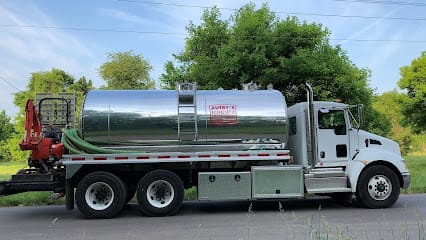
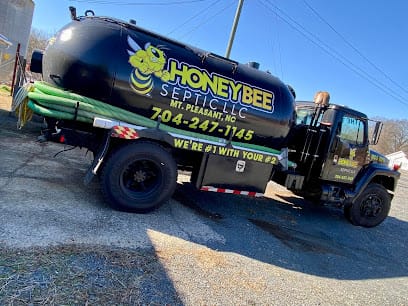
- Dual Service Demand: Unlike purely suburban areas where contractors focus on residential septic or purely urban zones where commercial grease trap service dominates, the Kenly region requires providers who can efficiently handle both. Professionals in our network maintain equipment fleets with residential pump trucks (1,500-2,500 gallon capacity) and commercial vacuum trucks (3,000-5,000 gallon capacity) to serve diverse client needs.
- I-95 Corridor Business Concentration: The interstate’s truck stops, fast food chains, and restaurants generate massive grease volumes requiring professional trap maintenance. Unlike residential septic (pumped every 3-5 years), commercial grease traps need cleaning every 1-3 months depending on kitchen volume. This creates year-round demand for contractors with commercial service expertise and health department compliance knowledge.
- Regulatory Compliance Complexity: Residential septic pumping primarily involves proper waste disposal at certified treatment facilities. Commercial grease trap service adds layers of regulatory complexity—health department documentation requirements, FOG (fats, oils, grease) program compliance, manifesting for waste tracking, and adherence to discharge regulations. Professionals in our network navigate these requirements daily, protecting business owners from violations.
Common Sanitation Issues in Kenly
1. Restaurant Grease Trap Failures: When Compliance Lapses
Commercial kitchens in Kenly, Selma, Smithfield, and along I-95 generate massive amounts of FOG (fats, oils, and grease) that cannot enter municipal sewer systems or septic drainfields without causing blockages and treatment problems. Grease traps/interceptors capture this material, but they require regular professional cleaning to maintain capacity and function.
When restaurants delay cleaning to save money or use inexperienced contractors who don’t remove all accumulated grease, several problems cascade: the trap reaches capacity and allows grease to pass through into sewer lines (causing blockages and municipal fines), drains slow down during peak service hours (impacting customer experience), and health inspectors find violations during routine checks (potentially triggering closure orders until corrected).
Professionals in our network provide scheduled commercial maintenance contracts—typically monthly or quarterly cleaning depending on kitchen volume—with documented service records that satisfy health department requirements. They arrive with vacuum trucks capable of removing all accumulated FOG plus water, properly dispose of waste at licensed rendering facilities, and provide service invoices that serve as compliance documentation during inspections.
2. Residential Septic Backups: The Cost of Deferred Maintenance
Rural homes throughout Johnston County—in Selma, Micro, Pine Level, Four Oaks, and surrounding communities—rely on septic systems that need pumping every 3-5 years depending on household size and water usage. When homeowners delay maintenance to save $400-500 on a pump-out, they often create $2,000-5,000 problems: tanks overflow causing sewage backup into homes, solids escape into drainfields causing permanent damage, and emergency calls during holidays or weekends incur premium pricing.
Professionals in our network provide routine residential septic pumping with complete tank evacuation—removing both the sludge layer at the bottom and scum layer at the top, cleaning effluent filters where present, and inspecting baffles for deterioration. They operate trucks sized appropriately for residential work (typically 1,500-2,500 gallon capacity) that can access rural driveways and properties, provide disposal receipts proving proper handling at wastewater treatment facilities, and schedule future service reminders so homeowners don’t forget.
3. Commercial Line Blockages: When Kitchen Drains Fail During Service
Even with properly maintained grease traps, commercial kitchen drain lines can develop blockages from accumulated FOG, food particles, and mineral deposits. When main lines back up during lunch rush or dinner service, the financial impact is immediate—tables can’t be turned, staff can’t wash dishes, and in severe cases, the health department may require closure until the issue is resolved.
Professionals in our network provide hydro-jetting services using high-pressure water (3,000-4,000 PSI) to clear blockages and remove FOG buildup from drain lines. Unlike basic snaking that punches a hole through blockages, hydro-jetting scours pipe walls clean, restoring full flow capacity. For restaurants experiencing recurring slow drains despite regular trap cleaning, line jetting often reveals the problem—grease accumulation in pipes between the kitchen and trap, or between the trap and sewer connection.
4. Lift Station Failures: Critical Infrastructure for Low-Lying Properties
Some commercial properties and residential developments in Johnston County use lift stations (pumping systems) to move wastewater uphill to sewer connections or septic drainfields. When lift station pumps fail, alarms sound, and if not addressed quickly, sewage backs up into buildings or overflows from outdoor tanks. Common failure causes include pump wear from solids that shouldn’t enter the system, float switch malfunctions, and electrical problems.
Professionals in our network provide lift station maintenance and emergency repair services. They respond to alarm calls, pump out stations when necessary, replace failed pumps and float switches, and identify recurring problems (like roots entering tanks or improper items being flushed). For commercial properties where lift station failure means business closure, having contractors with 24/7 emergency response capability isn’t luxury—it’s operational necessity.
Residential & Commercial Sanitation Solutions
The Kenly area’s unique mix of rural residential growth and I-95 corridor commercial development creates sanitation demands that require contractors capable of serving both sectors efficiently. Professionals in our network provide comprehensive waste removal services for homes and businesses:
Residential Septic Systems: Rural Johnston County homes on septic systems need routine pumping every 3-5 years to prevent tank overflow and drainfield damage. Our network professionals operate appropriately-sized trucks for residential work, access properties via narrow driveways and rural roads, and provide complete tank evacuation including sludge and scum layer removal. They inspect tank integrity during service, clean effluent filters, and identify problems like deteriorating baffles or root intrusion before they cause failures.
Commercial Grease Trap Service: Restaurants, food trucks, school cafeterias, and any food service establishment generating FOG (fats, oils, grease) requires regular professional trap cleaning to maintain health department compliance. Professionals in our network provide scheduled maintenance contracts—typically 30-90 day intervals depending on kitchen volume—with documented service records that satisfy regulatory requirements. They use vacuum trucks to remove all accumulated grease and water, dispose of waste at licensed rendering facilities, and provide invoices detailing service dates, volumes removed, and disposal locations.
Legal Waste Disposal: Both residential septic waste and commercial grease must be disposed of properly at certified facilities—not dumped illegally in fields, creeks, or storm drains. Professionals in our network transport waste to licensed wastewater treatment plants (for septic) and rendering facilities (for grease), providing disposal receipts that prove compliance and protect property owners from environmental liability.
Complete Sanitation Services for Kenly-Area Clients
Our directory connects Johnston and Wilson County residents and business owners with professionals who provide comprehensive wastewater removal and compliance services:
- Septic Tank Pumping & Cleaning: Complete residential septic service including tank evacuation, effluent filter cleaning, baffle inspection, and proper disposal at certified treatment facilities. Service typically every 3-5 years depending on household size, with scheduling reminders to prevent missed maintenance. Emergency service available for backups and overflows requiring immediate response.
- Grease Trap & Interceptor Cleaning: Professional FOG removal for restaurants, cafeterias, food trucks, and commercial kitchens. Service intervals from 30-90 days based on kitchen volume and trap size. Complete evacuation using vacuum trucks removes all grease, water, and solids. Disposal at licensed rendering facilities with manifests documenting waste tracking. Service invoices provide health department compliance documentation.
- Hydro-Jetting & Line Clearing: High-pressure water jetting (3,000-4,000 PSI) to clear blocked drain lines, remove FOG accumulation from commercial kitchen pipes, and scour line walls clean. Used when basic snaking fails or for preventive maintenance on lines prone to grease buildup. Video inspection available to identify line condition and locate blockages before jetting begins.
- Lift Station Maintenance: Scheduled maintenance and emergency repair for pumping systems serving low-lying properties. Services include pump-out when stations reach capacity, pump and float switch replacement, alarm system testing, and identification of recurring problems like root intrusion or foreign objects. 24/7 emergency response prevents sewage overflow and business closure.
- Commercial Maintenance Contracts: Scheduled service agreements for restaurants and businesses requiring regular grease trap cleaning. Contracts ensure compliance with health department regulations, provide automatic scheduling so cleaning doesn’t get forgotten, and often include discounted pricing compared to on-demand service. Documentation provided satisfies regulatory requirements during inspections.
- Emergency Response Services: 24/7 availability for residential septic backups, commercial grease trap overflows, lift station failures, and other sanitation emergencies that can’t wait for regular business hours. Professionals in our network maintain on-call crews and equipment ready for rapid deployment when sewage problems threaten homes or force business closures.
Why Locals Choose Creech’s Septic & Grease Trap Cleaning (100+ Reviews)
Headquartered on Kirby Road, Creech’s Septic & Grease Trap Cleaning has built a 4.2-star reputation across 100+ reviews by providing the high-volume sanitation service that Johnston and Wilson Counties’ diverse needs require. Our directory connects you with professionals who bring the right equipment for each job—whether that’s a residential pump truck for a rural Selma home or a commercial vacuum truck for a Smithfield restaurant.
Equipment Fleet Capability: Serving both residential and commercial clients requires different trucks and equipment. Professionals in our network maintain diversified fleets: smaller trucks (1,500-2,500 gallon capacity) for residential septic work on properties with access limitations, larger vacuum trucks (3,000-5,000 gallon capacity) for commercial grease interceptors and high-volume jobs, and hydro-jetting equipment for line clearing. This fleet diversity means they show up with the right tool for your specific need—not trying to service a 1,500-gallon commercial interceptor with an undersized residential truck.
High-Volume Operational Experience: With 100+ reviews reflecting years of service across Johnston County, professionals in our network have seen every scenario: residential tanks that haven’t been pumped in 15 years, restaurant grease traps solidified to near-concrete consistency, lift stations filled with items that should never have been flushed, and emergency calls at 2 AM when sewage backs up during holiday gatherings. This experience translates to efficient service—they know what to expect, bring the right equipment, and complete jobs without surprises or excuses.
Regulatory Compliance Knowledge: Commercial grease trap service isn’t just about removing FOG—it’s about documenting service for health department compliance, using licensed disposal facilities, providing proper manifests for waste tracking, and understanding local FOG program requirements. Professionals in our network navigate these regulations daily, protecting restaurant and business owners from violations that can result in fines, required closures, or contamination liability.
Rapid Response Capability: Located near the I-95 corridor, professionals in our network provide efficient service coverage across Johnston and Wilson Counties—from Kenly and Selma south to Smithfield, north to Wilson, and east through Micro, Pine Level, and Four Oaks. When a restaurant’s grease trap backs up during lunch service or a homeowner’s septic overflows on Saturday morning, rapid response prevents extended disruption. Their service area knowledge and equipment deployment efficiency minimize downtime.
Transparent Pricing & Scheduling: With diverse service offerings (residential septic, commercial grease, line jetting, lift stations), professionals in our network provide clear quotes based on specific job requirements—tank size, access difficulty, service urgency, and disposal type. Commercial clients receive contract pricing for scheduled maintenance, while residential customers get straightforward pump-out quotes without hidden fees or surprise charges after trucks arrive.
Serving Kenly, Wilson, Smithfield, and Johnston County
From Kirby Road in Kenly, our network serves the entire Johnston and Wilson County region—residential communities in Selma, Micro, Pine Level, and Four Oaks; commercial establishments in Smithfield and Wilson; and the concentrated restaurant and truck stop zone along the I-95 corridor. Whether you’re a homeowner needing routine septic pumping, a restaurant manager scheduling grease trap maintenance, or a business owner facing an emergency sanitation failure, you’ll find professionals with the equipment fleet and regulatory expertise to handle residential and commercial waste removal.
In a region where rural residential growth meets interstate commercial development, sanitation providers must serve both sectors competently—pumping residential tanks in morning appointments and cleaning commercial grease traps during afternoon schedules. Our vetted network provides this dual capability, maintaining separate equipment fleets, understanding distinct regulatory requirements, and delivering efficient service whether the job is a 1,000-gallon home septic tank or a 2,000-gallon restaurant grease interceptor.
Ready to Schedule Service or Establish a Maintenance Contract?
Whether you need routine residential septic pumping, commercial grease trap cleaning to maintain health department compliance, emergency response for backups and overflows, or scheduled maintenance contracts to prevent sanitation failures, our directory connects you with professionals who provide the high-volume capability and regulatory knowledge that keeps homes sanitary and businesses operational.
Call Creech’s Septic & Grease Trap Cleaning at (252) 239-0016 or Find Vetted Kenly Sanitation Professionals in our Directory. Compare providers, read reviews from Johnston County residents and business owners, and schedule service with confidence knowing you’re working with contractors who bring the right equipment, handle waste disposal legally, and provide the documentation that satisfies regulatory compliance requirements.