Handling Fairfield County’s Red Clay: Why Construction Expertise Matters
Winnsboro sits in South Carolina’s Piedmont region where dense red clay soil—primarily Cecil and Pacolet series—defines the landscape and creates persistent challenges for septic system installation. This iron-rich clay packs tightly, drains slowly (percolation rates typically 75-120 minutes per inch), and resists excavation with anything less than heavy-duty equipment. For property owners and developers working in Fairfield County, this soil reality means septic installation isn’t a simple service call—it’s a construction project requiring professional-grade equipment and earthwork expertise.
Why Standard Equipment Fails in Red Clay: Many septic service companies operate residential-grade backhoes designed for sandy or loamy soil. These machines struggle in Winnsboro’s dense clay—taking twice as long to excavate, creating rough trenches with uneven bottoms, and sometimes unable to reach required depths without multiple passes. The result is installations that don’t meet specifications: tank holes too shallow, drainfield trenches at inconsistent grades, and compacted clay walls that prevent proper backfilling. These inadequate excavations lead to systems that fail prematurely, creating expensive do-overs within years of installation.
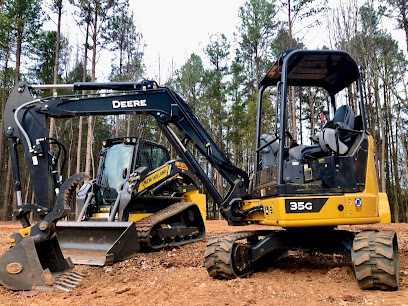
The Construction Advantage: Holt’s Construction background means owning and operating equipment designed for challenging soil: excavators with sufficient power and reach to dig proper tank holes in one clean operation, bulldozers for site grading and clearing, and the construction expertise to recognize when soil conditions require modified approaches. This equipment capability isn’t just about speed—it’s about doing the job right the first time in soil that punishes inadequate work.
- Proper Excavation Depth: Red clay requires excavating septic tanks to specified depths with level bottoms and stable walls. Inadequate equipment creates situations where tanks settle unevenly or walls collapse during backfilling, compromising the installation before the system even begins operation.
- Drainfield Trench Quality: Drainfield trenches must maintain consistent grade and width throughout their length. In dense clay, this requires equipment that can excavate cleanly in a single pass rather than multiple attempts that compact the soil and create uneven surfaces. Poor trench quality causes effluent to pool in low spots instead of distributing evenly.
- Site Grading Integration: Proper septic system installation considers overall site drainage—grading the property so surface water flows away from the drainfield rather than toward it. Construction contractors understand grading because they do it routinely; septic-only companies often ignore this critical factor, leading to systems that fail from water intrusion rather than system defects.
- Clay Compaction Management: Working in red clay requires understanding soil compaction—how equipment traffic affects soil density and drainage. Construction-experienced contractors know how to minimize compaction during installation and restore soil structure afterward, while inexperienced operators create compacted zones that prevent proper system function.
Common Site & Septic Challenges in Winnsboro
1. Property Development From Scratch: Integrated Site Work
Developing raw land in Fairfield County—whether building a home in Ridgeway or creating a commercial property in Blackstock—requires coordinated site work: clearing vegetation and trees, demolishing any existing structures, grading for proper drainage, installing septic systems, and connecting utilities. Many property owners discover these tasks are interconnected—the demolition debris pile affects where the septic system can locate, the grading plan must account for drainfield placement, and the excavation equipment needed for septic installation could have handled the demolition if coordinated properly. Holt’s Construction capability means handling these phases in logical sequence with appropriate equipment for each task, eliminating the delays and coordination failures that happen when multiple specialty contractors each handle isolated pieces without considering the whole project.
2. Demolition & Site Clearing: Preparing for New Systems
Many Winnsboro area properties need old structures removed before new septic systems can be installed—deteriorating mobile homes that have reached end of life, collapsing outbuildings threatening the planned drainfield location, or old house foundations that must be removed for proper site grading. Demolition requires equipment to dismantle structures safely, haul debris away, and grade the site afterward. Attempting to work around these obstacles or hiring demolition contractors unfamiliar with septic requirements creates complications: debris interfering with excavation access, foundations discovered mid-project requiring work stoppage, or cleared sites graded improperly for septic installation. Integrated demolition and septic service means clearing the site with septic system requirements already planned, ensuring the final grade works for both construction and wastewater management.
3. Red Clay Septic Installation: Getting It Right
Installing septic systems in Fairfield County’s red clay requires understanding how this soil behaves and what solutions work versus which fail. Standard designs that function in sandy coastal soil or lighter Piedmont soil often struggle in dense clay. Drainfields need larger surface area because clay drains slowly. Tanks must be excavated to proper depth with level bottoms because settling in clay causes immediate problems. The entire system requires grading that directs surface water away from the drainfield because clay sheds water across the surface rather than absorbing it. Contractors experienced with red clay installation recognize these requirements and design systems accordingly. Those without clay experience apply generic solutions that work elsewhere but fail in Winnsboro’s soil—leading to expensive replacements within years of installation.
4. Existing System Pumping & Maintenance
While Holt’s Construction side handles new installations and site work, their septic service maintains existing systems throughout Fairfield County. Red clay soil means septic tanks fill faster than in sandy areas because drainfields process effluent slowly. Regular pumping every 3-4 years prevents the sludge buildup that leads to solids escaping into drainfields and clogging the already slow-draining clay. For Winnsboro area properties with older systems, this maintenance becomes critical—these systems were often undersized by modern standards and have minimal margin for neglect. Skipping pumping in red clay territory accelerates the drainfield failures that require expensive replacement.
5. Drainfield Repair & Replacement
When drainfields fail in red clay—from age, poor maintenance, or inadequate original design—repair requires the same heavy equipment and construction expertise as new installation. Failed drainfields must be replaced with properly sized alternatives, often in different locations than the original if site conditions have changed or the first installation was poorly located. This work combines excavation, grading, and septic system knowledge—exactly the capabilities Holt’s Construction provides. Properties in White Oak or Blackstock with failing drainfields benefit from working with contractors who can assess the entire site, determine optimal new drainfield locations, perform necessary grading to protect the new installation, and complete the work with equipment sized for red clay excavation.
Complete Site Services: Construction Meets Septic
Our directory connects Winnsboro property owners and developers with Holt’s Construction And Septic Tank Service, a provider offering integrated capabilities that span construction and wastewater management:
- Septic Tank Pumping & Maintenance: Routine pumping services for existing systems throughout Fairfield County. Recommended every 3-4 years for properties in red clay soil where slow drainfield drainage means tanks fill faster than sandy soil areas. Complete sludge removal protects drainfields from the solid intrusion that causes premature failure in clay soil. Their construction equipment fleet means they can access properties with challenging terrain or long driveways that stop trucks-only operations.
- Septic System Installation: Complete new system installation using construction-grade excavation equipment designed for red clay. Includes soil testing to verify site suitability, proper tank excavation with level bottoms and stable walls, drainfield trenching at consistent grades, and site grading to protect the system from surface water. Experience working in Fairfield County clay means understanding what solutions work and avoiding the generic designs that fail in dense soil.
- Demolition Services: Professional demolition of old structures—mobile homes, deteriorating houses, collapsing outbuildings, or abandoned structures on properties being redeveloped. Includes safe dismantling, debris removal, and site grading afterward. Critical for properties where old structures occupy planned septic system locations or where site clearing is needed before installation can proceed. Coordinating demolition with septic installation through single provider eliminates timeline delays and ensures sites are prepared properly for wastewater system requirements.
- Site Grading & Land Clearing: Professional grading to establish proper drainage patterns, clearing overgrown properties, removing vegetation and stumps, and preparing sites for development. Uses bulldozers and excavators to reshape terrain, create building pads, and establish drainage that protects septic systems from surface water intrusion. Construction-level grading expertise means understanding how water moves across properties and shaping terrain to work with natural drainage rather than against it.
- Drainfield Repair & Replacement: Diagnosis and replacement of failed drainfields using the same heavy equipment and construction expertise as new installations. Assesses why original drainfield failed, determines optimal location for replacement considering site drainage and soil conditions, and completes installation sized appropriately for red clay percolation rates. Handles the major earthwork these projects require without needing to coordinate with separate excavation contractors.
- Utility Connections & Plumbing: Connecting houses to septic tanks with properly installed sewer lines, installing pump stations where gravity flow is impossible, and handling the plumbing integration that septic system installation requires. Experience with complete site development means understanding how septic systems integrate with overall property utilities rather than treating them as isolated components.
Why Fairfield County Trusts Holt’s Construction (4.3 Stars)
Equipment for Red Clay Work: Their construction background means owning equipment designed for challenging soil—excavators powerful enough to dig through dense clay efficiently, bulldozers for site grading and clearing, and dump trucks for debris removal. This isn’t residential-grade equipment struggling with commercial tasks; these are construction machines handling septic installation as one part of their capability range. For Winnsboro property owners dealing with red clay, this equipment advantage means installations completed properly rather than contractors making do with inadequate machines.
Integrated Project Capability: Property development projects often need multiple services—demolition, clearing, grading, septic installation, utility connections. Coordinating these through separate contractors creates timeline complications, finger-pointing when problems arise, and coordination costs. Holt’s Construction handles these interconnected tasks through single relationship, with equipment and expertise for each phase. A demolition project includes site grading afterward. A septic installation considers how the drainfield location affects future construction plans. This integrated approach prevents the disconnected execution that creates problems requiring expensive fixes.
Not Afraid of Difficult Projects: Their 4.3-star reputation reflects willingness to tackle challenging work that specialized septic-only companies avoid—properties with difficult access, sites requiring substantial grading before septic installation can proceed, projects needing demolition and clearing before wastewater work begins. Construction contractors are accustomed to complex projects; they don’t walk away from work just because it’s difficult or requires multiple phases.
Local Fairfield County Knowledge: Years of working throughout Winnsboro, Ridgeway, Blackstock, and White Oak means understanding where red clay is most problematic, which areas have high water tables requiring engineered solutions, and how Fairfield County’s rolling terrain affects site drainage. This local knowledge informs realistic project planning and prevents the surprises that contractors unfamiliar with the area encounter mid-project.
Construction Background = Better Septic Work: The most distinctive aspect of Holt’s Construction is how their construction experience makes them better septic contractors. They understand site drainage because they grade properties routinely. They properly excavate in clay because they work with excavators daily. They coordinate utilities because complete site development is their normal work. Septic-only companies learn enough construction skills to get by; construction companies with septic capabilities bring professional earthwork expertise to wastewater installation.
Serving Fagan Road Throughout Fairfield County
Holt’s Construction location on Fagan Road near US-321 in Winnsboro provides efficient access throughout Fairfield County. Winnsboro’s town properties and surrounding areas represent diverse project types—residential septic installations, commercial site development, property clearing and preparation, and routine maintenance for existing systems. Ridgeway’s mix of historic properties and new development creates demand for both system installation and careful work around established structures.
Blackstock and White Oak represent more rural Fairfield County character—larger properties requiring extensive site work, challenging terrain demanding heavy equipment, and projects where integrated construction and septic capabilities eliminate coordination complexity. The US-321 corridor serves as the county’s transportation spine, with properties along this route and extending into more remote areas requiring contractors with equipment to reach them.
Whether you’re developing raw land requiring demolition, clearing, and septic installation in Ridgeway, replacing a failed drainfield in Blackstock’s red clay, need routine pumping for a White Oak property, or managing a comprehensive site development project requiring multiple phases of work, you’re working with a contractor whose construction equipment and integrated capabilities match the heavy work that Fairfield County demands.
Planning Site Development or Need Septic Service?
Call Holt’s Construction And Septic Tank Service at (803) 635-4500 or Request Service Online for septic pumping, system installation, demolition, site grading, or comprehensive property development throughout Fairfield County.
In red clay territory where septic installation requires construction-grade equipment and where property development projects need coordinated demolition, grading, and wastewater system work, integrated capabilities eliminate complexity. Our vetted provider brings the heavy equipment and diverse expertise that Winnsboro area projects demand—4.3-star service built on not shying away from difficult work.