Wadmalaw Island’s Coastal Profile: Why Tidal Influence Changes Septic Management
The Sea Islands south of Charleston—Wadmalaw, Johns, Kiawah, Seabrook, Edisto—sit at the boundary between land and sea, where elevation barely exceeds 10 feet above sea level and tidal creeks thread through salt marsh. The soil here transitions from well-drained coastal sand on higher ground to poorly drained marsh muck near tidal zones. For septic systems, this creates three distinct challenges not found inland:
- Tidal Water Table Fluctuations: Unlike inland areas where the water table rises and falls with seasonal rainfall, coastal water tables are influenced by lunar tides. During spring tides (new and full moons) or storm surge, groundwater rises to within 12-18 inches of the surface—flooding drainfields and preventing effluent absorption. Systems designed with minimal vertical separation (the distance between drainfield bottom and water table) fail repeatedly during high tide cycles. South Carolina requires 24-48 inches minimum separation, but coastal properties often need engineered mound systems or shallow drip distribution to function year-round.
- Sandy Soil and Rapid Percolation Risk: Sea Island sand drains extremely fast—often 10-30 minutes per inch compared to 60-120 minutes in Piedmont clay. While this sounds beneficial (no puddling or hydraulic overload), it creates groundwater contamination risk. Effluent passes through the soil so quickly that biological filtration doesn’t occur. Bacteria, viruses, and nitrates reach the water table untreated, contaminating wells and tidal creeks. Drainfields must be designed with adequate depth and sometimes engineered fill to ensure proper treatment before effluent reaches groundwater.
- Environmental Sensitivity and Regulatory Scrutiny: The Lowcountry’s tidal marshes, oyster beds, and estuaries are protected ecosystems. Septic failures that discharge untreated wastewater into creeks cause algae blooms, fish kills, and shellfish bed closures. Charleston County Environmental Management enforces strict regulations for coastal properties, requiring engineered plans, regular inspections, and rapid response to failures. Homeowners who ignore maintenance or allow systems to fail face fines, mandatory upgrades, and potential liability for environmental damage.
If you’re on Kiawah or Seabrook’s planned developments, your system likely has engineered design accounting for tidal influence. If you’re on older Johns Island or Wadmalaw properties, your system may predate modern coastal regulations—and may be operating on borrowed time.
Common Coastal Septic Issues on Wadmalaw & Johns Island
1. High Water Table Flooding: The Tidal Cycle Problem
The most frequent service call Island Septic Systems receives from coastal properties is seasonal or tidal flooding of drainfields. Homeowners notice slow drains during full moon periods (spring tides), sewage backing up after heavy rain combined with high tide, or standing water over the drainfield that appears and disappears on a 12-hour cycle. This isn’t random—it’s the water table rising during high tide and flooding the absorption area.
In well-designed systems with adequate vertical separation (4+ feet from drainfield bottom to high-tide water table), this doesn’t occur. But many older Wadmalaw and Johns Island properties have drainfields installed only 18-24 inches above average water table—which works during low tide and dry seasons but fails during spring tides or storm events. The drainfield becomes a swimming pool. Effluent has nowhere to go. The tank fills, then the house backs up.
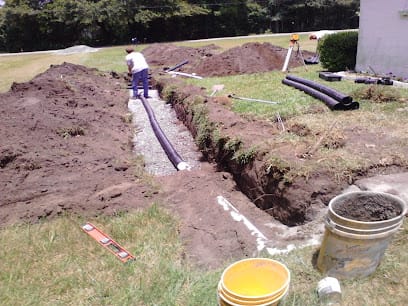
Temporary solutions include water conservation (reduce household water use during high tide periods) and strategic pumping (pump the tank before spring tide cycles). Permanent solutions require drainfield upgrades: mound systems that elevate the absorption area above tidal influence ($12,000-$18,000), drip distribution systems that use shallow emitters functioning even when saturated ($10,000-$15,000), or aerobic treatment units (ATUs) that produce higher-quality effluent allowing shallower drainfields ($15,000-$20,000).
2. Live Oak Root Intrusion: The Island’s Persistent Enemy
The Sea Islands are defined by massive live oaks with canopies spanning 80+ feet and root systems extending even farther. These roots seek moisture aggressively, and septic drainfields provide year-round water sources. Unlike deciduous trees that drop leaves and go dormant, live oaks grow actively year-round in the Lowcountry’s mild climate, making root intrusion a constant threat.
Roots enter lateral pipes through perforations, joints, or any crack in the system. Once inside, they form dense mats that block effluent flow entirely. Homeowners notice recurring clogs in the same drain, toilets that gurgle when showers run, or sewage backing up during periods of heavy water use. A camera inspection reveals root masses inside the tank’s outlet baffle or throughout the drainfield laterals—sometimes so dense that sections of pipe are 80-90% blocked.
Island Septic Systems uses hydro-jetting (3,000-4,000 PSI high-pressure water) to scour roots from pipes. This provides 12-24 months of relief but doesn’t prevent regrowth. Permanent solutions include: (1) cutting down offending trees (often not feasible or desirable with heritage live oaks), (2) installing root barriers (copper or physical barriers) during drainfield replacement, (3) preventive chemical treatment (copper sulfate or foaming root killers) every 12-18 months, or (4) redesigning the drainfield location away from established trees.
For Kiawah and Seabrook properties where mature live oaks are protected by HOA rules or environmental ordinances, option (4) is often the only viable solution. This requires permits, engineering, and significant cost ($10,000-$15,000), but it eliminates the root intrusion cycle permanently.
3. Real Estate Inspections: High-Stakes Transactions
Charleston County’s coastal real estate market is expensive. Properties on Kiawah regularly sell for $2-5 million. Seabrook estates exceed $3-7 million. Even modest Wadmalaw or Johns Island homes sell for $400,000-$800,000. At these price points, septic inspections aren’t routine—they’re critical due diligence that can make or break transactions.
South Carolina requires septic inspections for property transfers. Island Septic Systems performs comprehensive evaluations: camera examination of tank interiors, measurement of sludge levels, dye testing to verify drainfield function, inspection of effluent filters and baffles, assessment of the yard for surfacing effluent or root intrusion, and review of system design for tidal water table compliance. Written reports document findings and estimate repair costs.
Common discoveries during coastal inspections: tanks not pumped in 5-10 years (sludge at 60-80% capacity), missing or clogged effluent filters, live oak roots throughout laterals, drainfields showing signs of tidal flooding, systems undersized for current home occupancy (additions built without septic upgrades), and non-compliant designs lacking adequate vertical separation. Repair costs range from $500 (pump-out and filter cleaning) to $20,000+ (full drainfield replacement with engineered tidal-compliant system).
Buyers use inspection reports to negotiate price reductions or demand sellers complete repairs before closing. Sellers benefit from pre-listing inspections that identify problems early, allowing time for strategic repairs that maximize property value.
4. Rapid Percolation and Groundwater Contamination
While slow drainage causes backup problems, rapid drainage in Sea Island sand creates a different hazard: untreated effluent reaching groundwater. When soil drains faster than 20 minutes per inch (common in coastal sand), the biomat layer that provides biological treatment doesn’t form properly. Bacteria, viruses, and nutrients pass through the soil matrix untreated, contaminating the water table below.
This manifests as: failed well water tests showing E. coli or coliform bacteria, tidal creek water quality degradation (algae blooms, fish kills), and shellfish bed closures by DHEC (Department of Health and Environmental Control). For properties on Wadmalaw or Johns Island using well water, this is a health hazard. For the broader community, it’s an environmental crisis affecting everyone who uses coastal waters for recreation, fishing, or livelihood.
Solutions require engineered drainfield designs: imported fill material (clay or loam) that slows percolation, deeper trenches providing more treatment depth, or advanced treatment systems (sand filters, aerobic units) that pre-treat effluent before it enters native soil. Charleston County Environmental Management reviews and approves these designs, ensuring compliance with coastal protection regulations.
5. Storm Surge and Hurricane Flooding
The Sea Islands are in the hurricane impact zone. When major storms bring 6-10 foot storm surge, septic systems flood completely. Tanks submerge. Drainfields become part of the ocean temporarily. Saltwater infiltrates systems, killing beneficial bacteria and damaging components. Homeowners evacuate and return to find sewage backing up throughout homes.
Post-storm septic service is critical but complicated. Flooded systems need pumping to remove saltwater and sewage mixture. But disposal facilities may be offline. Roads may be impassable. And tanks refill with groundwater within hours if the water table remains elevated. Island Septic Systems coordinates with Charleston County Emergency Management during these events, prioritizing service based on health risk and providing guidance on temporary sanitation solutions (portable toilets, water conservation) until normal operations resume.
For properties in high-risk flood zones (AE zones on FEMA maps), engineered elevated systems or flood-resistant designs are increasingly required. Cost is $15,000-$25,000 but may be mandated by building codes or insurance requirements.
6. Advanced Treatment System Maintenance
Many Kiawah, Seabrook, and newer Johns Island properties have advanced treatment systems: aerobic treatment units (ATUs), drip distribution systems with dosing chambers, or sand filter systems. These aren’t simple gravity-fed septic tanks—they have electrical components (pumps, aerators, timers), require regular maintenance (quarterly inspections, annual service contracts), and fail catastrophically if neglected.
Homeowners often don’t understand their system’s complexity. They treat it like a standard septic system, skipping maintenance until alarms beep or sewage backs up. By then, pumps have burned out from running dry, aerators have failed from lack of cleaning, or distribution lines are clogged from biofilm buildup. Repairs cost $2,000-$5,000 compared to $200-$400 for preventive maintenance.
Island Septic Systems provides maintenance contracts for advanced systems: quarterly filter cleaning, annual pump inspection, aerator cleaning, timer verification, and alarm testing. For Kiawah and Seabrook owners (many of whom are seasonal residents), this ensures systems function properly year-round without requiring owner involvement.
Complete Island Septic Services
Our directory connects you with Island Septic Systems because they provide specialized coastal wastewater care—not generic pumping, but the environmental stewardship the Sea Islands demand:
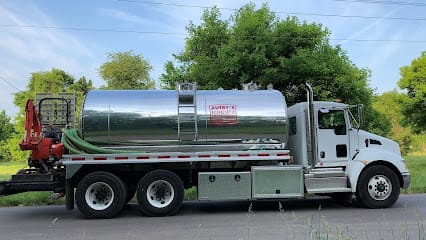
- Septic Tank Pumping to Protect the Marsh: Routine maintenance for residential and vacation rental properties. Proper pump-outs remove all sludge and scum, clean effluent filters, inspect baffles, and verify drainfields aren’t surfacing effluent into tidal creeks. In coastal environments where every failure risks environmental contamination, pumping frequency is critical: every 2-3 years for full-time residences, every 3-5 years for seasonal homes, more frequently for vacation rentals with high occupancy turnover.
- Real Estate Septic Inspections: Comprehensive evaluations required for Charleston County property transfers. Services include camera inspection of tank interiors, sludge level measurement, dye testing for drainfield function, tidal water table assessment, live oak root evaluation, and system design review for coastal compliance. Written reports document findings and estimate repair costs, informing buyer negotiations and preventing post-closing surprises. Critical for high-value Kiawah and Seabrook transactions.
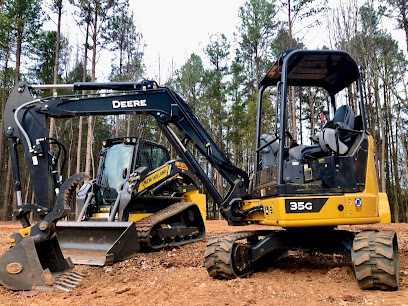
- Drainfield Repair and Replacement: When tidal flooding, root intrusion, or biomat failure occurs, Island Septic Systems evaluates whether repair is viable or full replacement is necessary. Minor issues (single failed lateral, clogged distribution box) cost $2,000-$4,000. Major failures requiring engineered tidal-compliant systems cost $12,000-$20,000 depending on mound system, drip distribution, or ATU installation. All work complies with Charleston County coastal regulations.
- Advanced Treatment System Maintenance: Quarterly and annual service contracts for aerobic treatment units, drip distribution systems, and sand filters common on Kiawah and Seabrook. Services include pump inspection and cleaning, aerator maintenance, timer verification, filter cleaning, alarm testing, and control panel diagnostics. Prevents catastrophic failures and ensures year-round functionality for seasonal properties.
- Live Oak Root Removal: Hydro-jetting service to clear root intrusions from drainfield laterals and tank baffles. High-pressure water (3,000-4,000 PSI) scours pipes clean, restoring flow temporarily. Follow-up preventive treatment (copper sulfate or foaming root killers) extends time before regrowth. For severe cases, recommendations for drainfield relocation or root barrier installation during replacement.
- Environmental Stewardship Consultation: Guidance on protecting tidal creek water quality, complying with Charleston County coastal regulations, and implementing best practices for properties near salt marsh. Island Septic Systems understands that every septic decision affects the broader ecosystem—and provides recommendations balancing property owner needs with environmental protection responsibilities.
Why Sea Island Communities Trust Island Septic Systems (4.8 Stars)
We Live Here: Local Knowledge and Environmental Commitment, Island Septic Systems isn’t a mainland company servicing coastal properties as an afterthought—they’re based on Wadmalaw Island, living in the same communities they serve. Their technicians navigate the same tidal creeks, fish the same waters, and depend on the same environmental quality. This creates a commitment to stewardship that corporate operations can’t replicate. Every septic job is performed with understanding that failures contaminate OUR shared waters.
Coastal Expertise: Understanding Tidal Groundwater Generic septic companies don’t understand tidal water table fluctuations. They design drainfields based on inland assumptions—stable water tables, predictable drainage, seasonal variation only. Island Septic Systems knows that coastal systems must account for spring tides, storm surge, and lunar cycles. They’ve worked with Charleston County Environmental Management for years and understand what coastal compliance requires. This expertise prevents failed inspections, regulatory violations, and expensive redesigns.
Trusted by Your Neighbors: 4.8-Star Reputation, The 4.8-star rating reflects consistent, reliable service across hundreds of coastal properties. Kiawah estate owners trust them for pre-listing inspections. Seabrook vacation rental managers use them for routine maintenance. Johns Island families rely on them for emergency service when live oak roots cause backups. Wadmalaw property owners appreciate honest recommendations without overselling. When neighbors recommend the same company repeatedly, it’s because that company delivers.
Fair Pricing and Honest Service: Coastal properties often face inflated pricing from contractors assuming wealthy owners will pay premium rates without question. Island Septic Systems charges fair, transparent prices: standard pump-outs $300-$500, inspections $200-$400, routine maintenance based on actual scope of work. They don’t upsell unnecessary services or push expensive replacements when repairs suffice. They explain findings honestly and let property owners make informed decisions.
Protecting the Lowcountry Environment: Every septic service performed by Island Septic Systems prioritizes environmental protection. They educate homeowners on proper system care, report potential contamination issues to authorities, recommend upgrades when systems risk creek pollution, and dispose of pumped waste at approved treatment facilities (never illegal dumping). This commitment to stewardship preserves the tidal marsh ecosystem that defines the Sea Islands and sustains the community’s quality of life.
Ready for Specialized Coastal Septic Care?
Contact Island Septic Systems at (843) 559-3491 or request service through our directory. Whether you’re maintaining a family property on Wadmalaw, managing a vacation rental on Johns Island, buying an estate on Kiawah, servicing a resort home on Seabrook, or caring for waterfront property in Rockville, you’re connected with local professionals who understand tidal influence, environmental protection, and the unique challenges of coastal wastewater management.
Don’t trust your Sea Island property to inland contractors unfamiliar with tidal water tables and salt marsh ecosystems. Don’t risk environmental contamination from inadequate maintenance or failed systems. Find the local specialists who live here, work here, and protect the Lowcountry waters we all depend on—one properly maintained septic system at a time.