Barnardsville’s Terrain Profile: Why Mountain Septic Systems Are Different
Buncombe and Madison Counties sit in the Blue Ridge Mountains, where elevation ranges from 2,000 to 4,000+ feet and terrain is dominated by Ashe-Edneyville rocky loam—shallow soil over fractured bedrock. Unlike the deep Piedmont clay of the valleys or the sandy coastal plains, mountain soil drains unpredictably. Rock outcroppings create fast drainage in some spots and impermeable barriers in others. For septic systems, this creates four critical challenges:
- Steep Grade Failures: When a drainfield is installed on a slope (common in Barnardsville where flat land is scarce), gravity pulls effluent downhill faster than the soil can absorb it. This creates “daylighting”—sewage surfacing at the toe of the slope, often contaminating creeks or neighbors’ wells. Systems on grades steeper than 15% require engineered terracing or low-pressure dosing to prevent this.
- Rocky Soil Variability: Mountain soil isn’t uniform. You might have 18 inches of loam over solid granite, or pockets of clay between rock shelves. Percolation rates vary wildly (30 minutes per inch in sandy pockets, 180+ minutes where clay pockets form). This makes standard drainfield design unreliable—what works on one side of a mountain road might fail 100 feet away.
- Root Intrusion from Mountain Vegetation: Buncombe County’s forests are dominated by oak, poplar, rhododendron, and mountain laurel—all aggressive water-seekers. Tree roots can travel 75+ feet searching for moisture, and they’ll exploit any crack in septic laterals. Once inside, roots create dense mats that block flow entirely. Unlike flat-land systems where roots enter gradually, mountain roots often invade suddenly when a lateral shifts due to soil erosion or freeze-thaw cycles.
- Erosion and System Exposure: Mountain storms dump 4-6 inches of rain in hours, creating flash erosion that can expose septic components. Tanks shift. Distribution boxes tilt. Drainfield pipes lose their soil cover and daylight. Homeowners in Mars Hill or Stocksville have watched entire hillsides wash away during hurricanes, taking their drainfields with them.
If you’re in Weaverville’s newer subdivisions, your system likely has engineered fill and erosion control measures. But if you’re in an older Barnardsville cabin or a Marshall riverfront property, your system may date to the 1960s-1970s when mountain codes were less strict. Those systems are undersized, poorly sited, and prone to catastrophic failure.
Common Septic Issues in Barnardsville & the High Country
1. Access Challenges: When Flat-Land Pumpers Turn Around
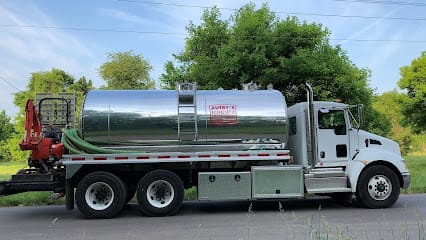
The biggest obstacle to mountain septic service isn’t the system itself—it’s getting a 12,000-pound pump truck to the tank. Barnardsville properties often have driveways that climb 200+ vertical feet with hairpin turns, overhanging trees, and mud ruts that swallow standard vehicles. In winter, ice makes grades impassable. Many mountain homes were built before modern road standards, meaning driveways are 8 feet wide with no turnaround space.
Standard septic companies from Asheville or Hendersonville send drivers who’ve never dealt with this terrain. They attempt the driveway, get stuck, and leave—charging you a trip fee for their trouble. Motivation Septic Services operates trucks with four-wheel drive, winches, and drivers who’ve navigated every hollow in North Buncombe. They’ve pumped tanks accessible only by backing down 400-foot slopes, and they’ve walked hoses to tanks located below the road where no truck can reach.
If you’re buying a mountain property, verify tank access during dry weather AND after rain. What’s passable in July might be impassable in January. Demand that the seller demonstrate access or budget for a specialized pump-out at 2-3x standard cost.
2. Gravity System Failures on Slopes: The Daylighting Problem
Daylighting is when sewage surfaces downhill from your drainfield, creating a biohazard on your property or your neighbor’s. This happens when effluent moves through the soil faster than the biomat can filter it—a common issue on Barnardsville’s 20-30% grade slopes. You’ll see wet spots, strong sewage odors, or actual liquid pooling at the toe of the drainfield.
The cause is usually one of three things: (1) the drainfield wasn’t properly terraced during installation, (2) soil erosion has exposed lateral pipes, reducing their depth, or (3) the system is hydraulically overloaded (too much water for the slope to handle). In Mars Hill, where college rentals often have 6-8 occupants using a system designed for 3, hydraulic overload is the #1 failure mode.
Fixing daylighting requires regrading the drainfield, adding fill to restore proper depth, or converting to a low-pressure dosing system that distributes effluent evenly rather than letting gravity control flow. This isn’t a DIY fix—it requires permits from Buncombe County Environmental Health and engineered plans.
3. Rocky Soil and Drainfield Failures: When Percolation Stops
Mountain soil’s rock content creates erratic percolation. One section of your drainfield might drain perfectly while another becomes waterlogged because it sits over a clay lens or bedrock shelf. Over time, the working sections get overwhelmed, biomat thickens prematurely, and the entire field fails.
Symptoms include slow drains throughout the house, sewage backing up into the lowest fixture (often a basement toilet), or gurgling sounds when water runs. A dye test (injecting colored dye into the tank and watching where it surfaces) can reveal which laterals are working and which are saturated. Often, only one or two lines need replacement—but you won’t know without professional diagnosis.
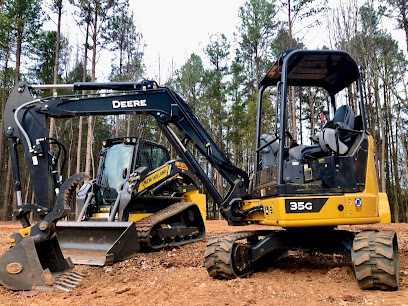
Replacement in rocky soil is expensive. Excavators hit bedrock 18 inches down, requiring blasting or jackhammering to create trenches. Contractors must import engineered fill to ensure proper percolation. A drainfield that would cost $8,000 in the Piedmont might cost $15,000-$20,000 in Barnardsville.
4. Tree Root Intrusion: The Mountain Epidemic
Buncombe County’s forests are lush, wet, and aggressive. Oak and poplar roots can crush septic laterals. Rhododendron roots form dense mats that block pipe joints. Once roots penetrate, they grow exponentially—a 1-inch opening becomes a 6-inch root ball within two years.
Homeowners notice recurring clogs in the same drain, sewage backing up after heavy rain, or gurgling toilets. A camera inspection will reveal roots inside the tank’s outlet baffle or throughout the lateral pipes. Hydro-jetting (3,000-4,000 PSI water pressure) can clear roots temporarily, but they’ll regrow unless you cut down the offending trees or install root barriers during drainfield replacement.
In Weaverville, where wooded lots are the norm, professionals recommend preventive root treatment every 3-5 years—copper sulfate flushes or foaming root killers that slow (but don’t eliminate) intrusion.
5. Winter Access and Emergency Service Gaps
When your septic system fails in July, you call a pumper and they arrive same-day. When it fails in January after an ice storm, you might wait a week—or longer. Mountain driveways become skating rinks. Tanks buried under 18 inches of snow are invisible. Frozen ground prevents digging to access buried lids.
This is why riser installation is critical in the mountains. Professionals retrofit green or black plastic risers that bring tank lids to surface level, eliminating the need to dig through frozen ground. If you’re in Stocksville or remote Barnardsville, risers aren’t a convenience—they’re an emergency access requirement. A $300 riser installation can mean the difference between a same-day pump-out and a week of overflowing toilets.
Complete Mountain Septic Solutions for High Country Homeowners
Our directory connects you with Motivation Septic Services because they provide the full range of rural wastewater care—not just pumping, but diagnosis, repair, and preventive maintenance for mountain-specific challenges:
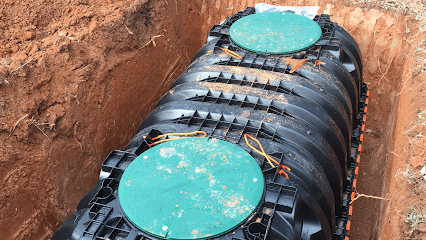
- Septic Tank Pumping for Rural Homes: Mountain properties often have larger tanks (1,500-2,000 gallons) because county codes require extra capacity for homes without municipal water. Professionals use vacuum trucks capable of reaching tanks on slopes or at the end of long hose runs. Proper pump-outs remove all sludge and scum, not just the easy-to-reach liquid layer. In Barnardsville’s rocky terrain, tanks should be pumped every 3-5 years for full-time residents, every 5-7 years for seasonal cabins.
- Mountain Septic Inspections for Real Estate: Buncombe County requires septic inspections for property transfers, and mountain inspections are more complex than flat-land checks. Inspectors use cameras to examine laterals for root intrusion, measure sludge levels, test for hydraulic capacity, and verify the drainfield isn’t daylighting. They also check access—can a pump truck reach the tank year-round? If not, the buyer needs to know upfront. Reports document system condition and recommend repairs before closing.
- Effluent Filter Cleaning: The effluent filter is the last defense against solids entering your drainfield. In mountain systems where rocky soil accelerates biomat formation, a clogged filter causes rapid backup. Filters should be cleaned every 6-12 months in high-use homes or Mars Hill rentals. This 15-minute service (often included with pump-outs) prevents thousands in drainfield repairs.
- Root Removal and Hydro-Jetting: When tree roots invade lateral pipes, hydro-jetting uses high-pressure water (3,000-4,000 PSI) to scour them clean. This buys 1-2 years before roots regrow, delaying the need for full lateral replacement. It’s especially effective for Weaverville properties where cutting down mature oaks isn’t an option due to HOA rules or personal preference.
- Drainfield Repair for Sloped Terrain: When daylighting or biomat failure occurs, professionals assess whether repair is possible or full replacement is needed. Minor fixes include regrading, adding fill, or replacing individual laterals. Major failures require engineered terracing, low-pressure dosing systems, or mound systems with imported fill. In rocky Barnardsville soil, expect permits, soil testing, and 2-4 weeks of work.
- Riser Installation for Winter Access: Retrofitting risers is the single best investment for mountain homeowners. Professionals locate buried lids (often requiring probing or excavation), install 18-24 inch risers, and seal them with locking lids to prevent tampering or water infiltration. Cost is $200-$400 per lid, and it transforms emergency service from impossible to routine.
- System Troubleshooting and Diagnostics: Not all mountain septic problems are obvious. Professionals use cameras, dye tests, and soil analysis to diagnose issues like: septic vs. plumbing clogs (often confused), pump failures in low-pressure systems, or surfacing effluent from erosion. Accurate diagnosis prevents unnecessary replacements and targets repairs to the actual problem.
Why High Country Residents Trust Motivation Septic Services (4.9 Stars)
We Show Up—Even When Others Won’t: Motivation Septic Services has built its 4.9-star reputation on one principle: reliability. When you call for service in remote Barnardsville or hilltop Stocksville, they don’t send a driver who turns around at the first mud puddle. They send experienced operators who’ve navigated every hollow in North Buncombe. They’ve backed trucks down 400-foot driveways, winched themselves up icy grades, and walked hoses to tanks where vehicles can’t go. If your property is accessible at all, they’ll get there.
Equipment Built for Mountain Work: Standard septic trucks are designed for flat suburban driveways. They get stuck on 10% grades. They can’t turn around on narrow mountain roads. Motivation Septic operates four-wheel-drive trucks with extended hoses (up to 300 feet), winches for self-recovery, and drivers trained in steep-terrain maneuvering. They’ve pumped tanks at 3,500-foot elevation in Marshall and serviced systems accessible only by ATV trail in Stocksville.
Local Knowledge of Buncombe and Madison Counties: Mountain septic work isn’t just about pumping—it’s about understanding terrain, weather, and local regulations. They know which Weaverville subdivisions have shared drainfields (requiring coordinated maintenance with neighbors). They know which Mars Hill properties have seasonal access issues (impassable driveways November-March). They work with Buncombe County Environmental Health regularly and understand permit requirements for repairs on sloped terrain.
Neighborly Service with Technical Expertise: You’re not a ticket number to Motivation Septic—you’re a neighbor. They take time to explain what’s happening with your system, walk you through camera inspection footage, and discuss options (repair vs. replacement) without pressure. Their technicians are NC-licensed, insured for $2M liability, and experienced with the specific failure modes of mountain systems. They treat your property with respect—no ruts in your lawn, no damaged trees, no shortcuts.
Preventive Maintenance Focus: Many mountain homeowners only call a septic company when there’s an emergency—sewage backing up, alarms beeping, drainfield surfacing. Motivation Septic encourages proactive care: pump every 3-5 years, clean filters annually, inspect risers for damage, trim trees near laterals. This approach prevents catastrophic failures and extends system life by 10-15 years. In Barnardsville’s harsh terrain, prevention is exponentially cheaper than replacement.
Ready to Schedule Service or Need Emergency Mountain Response?
Call Motivation Septic Services Today at (828) 779-3733 or request service through our directory. Whether you’re facing routine maintenance in Weaverville, a pre-closing inspection in Mars Hill, emergency backup in Barnardsville, or preventive care for a remote Stocksville cabin, you’re connected with professionals who specialize in high-country wastewater challenges.
Don’t wait for sewage in your yard, a failed inspection, or a winter ice storm to discover your system is inaccessible. Proactive mountain septic care protects your property value, your family’s health, and the pristine streams that define the Blue Ridge. Find vetted professionals who have the trucks, the experience, and the motivation to reach you—no matter where you live in the high country.