Louisburg’s Soil Profile: Why Piedmont Clay Changes Everything
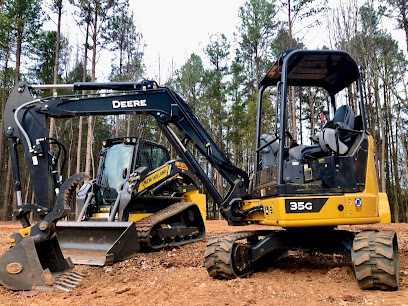
Franklin County sits in North Carolina’s Piedmont region, dominated by Cecil and Pacolet clay soils—the same red-orange clay you see when digging a garden or grading a driveway. This soil formed from weathered granite and has moderate to slow percolation rates (45-120 minutes per inch), meaning water doesn’t drain quickly. For septic systems, this creates three critical challenges:
- Hydraulic Overload Risk: Clay soil can’t absorb effluent as fast as sandy coastal soils. If your household uses too much water during a rainy week, the drainfield can become saturated, causing backup into the home or pooling in the yard.
- Biomat Acceleration: The biological slime layer (biomat) that forms in the soil around lateral pipes thickens faster in clay. Once it becomes too thick, the soil can no longer accept effluent—this is permanent drainfield failure requiring replacement ($15,000–$30,000).
- Tree Root Intrusion: Franklin County’s mature oak, pine, and sweetgum trees send roots searching for water. Clay soils hold moisture near the surface, guiding roots directly to septic laterals. Once roots penetrate the pipes, they create clogs and structural damage.
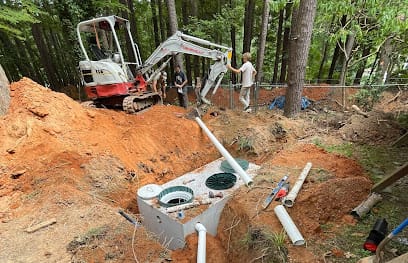
If you’re in Youngsville’s newer subdivisions, your system was likely designed with this clay in mind—larger drainfields, engineered fill, maybe even a low-pressure dosing system. But if you’re in an older Bunn farmhouse or a historic Louisburg property, your system may have been installed in the 1960s or 1970s when standards were different. Those systems are undersized by today’s codes and prone to failure.
Common Septic Issues in Louisburg & Franklin County
1. Real Estate Inspection Failures: The Hidden Costs of Buying Rural
Hydraulic overload and drainfield saturation are the most common reasons Franklin County septic inspections fail during real estate closings. Symptoms include slow drains throughout the house, gurgling sounds when flushing, wet spots or standing water over the drainfield area, or sewage odors near the tank or yard. In Youngsville and Franklinton, where development is rapid, buyers often assume newer homes mean newer systems—but subdivisions built 10-15 years ago may already have undersized tanks or failing fields if the original builder cut corners.
The Franklin County Health Department requires NC-certified inspections for property transfers, and inspectors use cameras to examine tank baffles, effluent filters, and the condition of lateral pipes. If tree roots have invaded the lines (common in wooded lots) or the drainfield shows biomat buildup, the system won’t pass. Buyers are left negotiating repairs or replacements before closing.
2. Lake Royale’s High-Density Challenge: Septic Systems Near Water
Lake Royale presents a unique wastewater challenge: hundreds of homes on individual septic systems clustered around a recreational lake that drains into the Tar River basin. When this many systems operate in close proximity, even small failures compound. A single household dumping untreated sewage creates algae blooms, fish kills, and E. coli contamination that affects the entire community.
North Carolina’s watershed protection rules require more frequent inspections and maintenance in these areas. Homes near Lake Royale should pump every 2-3 years (not the standard 3-5), clean effluent filters every 6 months, and monitor for any signs of surfacing effluent. The cost of a pump-out ($350-$550) is negligible compared to the environmental fines and property value loss from a failed system contaminating the lake.
3. Old Farm Systems: When 1960s Technology Meets 2025 Households
If you bought a farmhouse in Bunn, Cedar Creek, or rural Louisburg, there’s a strong chance your septic system predates modern regulations. Pre-1970 systems often used clay tile laterals (which crack and separate over time), undersized tanks (500-750 gallons for a 4-bedroom home), and no effluent filter (meaning solids escaped into the drainfield unchecked). These systems were designed for lower water usage—before dishwashers, garbage disposals, and modern washing machines.
The result: premature drainfield failure. Solids clog the biomat, roots invade cracked tiles, and the field becomes saturated. Homeowners notice slow drains, sewage smells, or wet spots in the yard. At this point, repairs are often impossible—you’re looking at a full system replacement with engineered fill to meet current Franklin County codes.
4. Tree Root Intrusion: The Silent System Killer
Franklin County’s wooded lots are beautiful, but mature trees are the #1 enemy of septic laterals. Oak, willow, and sweetgum roots can travel 50+ feet searching for water, and they’ll exploit any crack or joint in your drainfield pipes. Once inside, roots create dense mats that block effluent flow, causing backups into the house.
Symptoms include recurring clogs in the same drain, gurgling toilets, or sewage backing up into the lowest fixture (usually a basement toilet or shower). A camera inspection will reveal root intrusion, but the fix isn’t simple. Hydro-jetting (high-pressure water cleaning) can clear roots temporarily, but they’ll grow back within 6-12 months. Permanent solutions require either replacing the affected lateral lines or installing root barriers during a full drainfield renovation.
Complete Septic Solutions for Franklin County Homeowners
Our directory connects you with NC Septic Solutions because they offer the full spectrum of wastewater care—not just pumping, but inspection, diagnosis, and long-term solutions. Here’s what vetted professionals in our network provide:
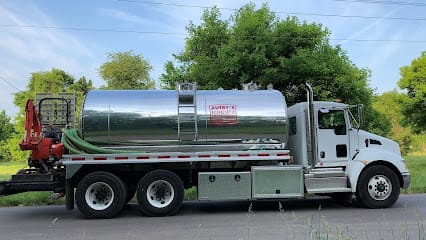
- Septic Tank Pumping & Sludge Removal: Proper pump-outs remove both the floating scum layer and the settled sludge at the bottom of the tank. In Franklin County’s clay soil, we recommend pumping every 3 years for a family of four, every 2 years if you have a garbage disposal. Professionals use vacuum trucks that fully empty the tank and dispose of waste at NC-approved treatment facilities—not illegal dumping sites.
- NC-Certified Septic Inspections: Required for real estate closings, these inspections include camera examination of tank baffles, effluent filters, and lateral pipes. Inspectors measure sludge and scum levels, test for hydraulic overload, and check for tree root intrusion. You receive a written report documenting system condition—critical for negotiating repairs or price reductions during property sales.
- Effluent Filter Cleaning: The effluent filter is the “kidney” of your septic system, trapping solids before they enter the drainfield. In clay soil, a clogged filter causes rapid backup because the drainfield can’t handle unfiltered effluent. Filters should be cleaned every 6 months in high-use homes or Lake Royale properties. This 15-minute service (often included with pump-outs) prevents $20,000 drainfield replacements.
- Riser Installation: Older Franklin County systems were buried with no surface access—meaning every pump-out or inspection required digging to find the tank lids. Professionals retrofit green or black plastic risers that bring lids to ground level, saving hundreds in excavation costs and making routine maintenance accessible. If you’re buying a rural property, demand riser installation as part of the inspection process.
- Hydro-Jetting for Lateral Lines: When tree roots or biomat buildup clog drainfield laterals, hydro-jetting uses 3,000-4,000 PSI water pressure to scour pipes clean. This extends system life by 5-10 years and delays the need for full drainfield replacement. It’s especially effective for older farm systems in Bunn where clay tiles have developed root intrusion.
- System Troubleshooting & Diagnostic Services: Not all septic problems are obvious. Professionals use cameras, dye tests, and soil percolation analysis to diagnose issues like: mainline clogs (often mistaken for septic failure), high water alarms (pump system failures), or surfacing effluent (drainfield saturation). Accurate diagnosis saves thousands by avoiding unnecessary replacements.
Why Franklin County Residents Trust NC Septic Solutions (4.8 Stars)
Education Over Upselling: NC Septic Solutions takes the time to explain your system to you. If you’re buying a home in Youngsville, they’ll walk you through the inspection report and show you on camera what’s happening underground. If you’re a long-time Louisburg resident dealing with an aging system, they’ll explain your options—repair, upgrade, or replace—without pressure. Their 4.8-star rating comes from homeowners who appreciate honest answers and fair pricing.
Technical Knowledge, Not Just Pumping: Many fly-by-night pumpers show up with a truck, vacuum for 20 minutes, and leave—without inspecting baffles, cleaning effluent filters, or checking for root intrusion. NC Septic Solutions approaches every job as a diagnostic opportunity. They measure sludge levels, examine filters, and note any warning signs (cracked risers, damaged lids, surfacing effluent). This proactive approach prevents emergencies.
Local Understanding of Franklin County Regulations: Whether you’re navigating a Lake Royale watershed restriction, a Franklin County real estate inspection, or a commercial system permit for a Franklinton business, they know the local codes. They work with the Franklin County Health Department regularly and understand what inspectors look for. This saves you time, money, and the stress of failed inspections.
Serving the Full Spectrum, Rural Farms to New Subdivisions: Franklin County’s diversity demands versatility. NC Septic Solutions handles everything from 1960s farm systems in Bunn (where they’ve retrofitted risers and replaced clay tile laterals) to modern low-pressure dosing systems in Youngsville subdivisions (where they diagnose pump failures and high water alarms). They understand the difference between maintenance needs in these environments.
Ready to Schedule Service or Need Emergency Response?
Call NC Septic Solutions at (252) 242-0756 or request service through our directory. Whether you’re facing a pre-closing inspection in Youngsville, routine maintenance at Lake Royale, or troubleshooting an old farm system in Bunn, you’re connected with professionals who prioritize education, honesty, and long-term solutions.
Don’t wait for sewage in your yard or a failed real estate inspection. Proactive septic care protects your property value, your family’s health, and Franklin County’s waterways. Find vetted professionals who understand Piedmont clay, watershed regulations, and the unique challenges of Louisburg’s transitioning landscape.