Maintaining Septic Systems in Caldwell County’s Foothills
Lenoir’s location in North Carolina’s foothills creates septic system conditions that differ from both mountain terrain at higher elevations and Piedmont plateau areas to the east. The rolling topography means many properties feature sloped sites where septic systems must be carefully positioned to function properly—drainfields placed incorrectly on slopes experience uneven effluent distribution and premature failure. The red clay soils common throughout Caldwell County drain slowly, meaning drainfields already work near capacity during normal operation and cannot tolerate the additional stress that occurs when tanks aren’t pumped regularly and solids begin escaping into soil absorption areas.
These geological and topographic realities make preventive septic maintenance more important in Caldwell County than in areas with better-draining soils or flatter terrain. When homeowners defer pumping beyond recommended 3-5 year intervals, sludge levels rise until solids flow out with liquid effluent, carrying organic matter directly into drainfield laterals. In clay soils that already drain slowly, these solids accelerate biomat formation—the biological layer that clogs soil pores and destroys drainfield absorption capacity. Once biomat develops extensively, you’re looking at drainfield replacement rather than repair—work that costs tens of thousands of dollars versus the few hundred that routine pumping requires.
What Foothills Septic Maintenance Requires:
- Regular Pumping Preventing Clay Soil Failures: Caldwell County’s red clay soils provide adequate drainfield function when systems are properly maintained—tanks pumped before sludge accumulates to levels where escape becomes inevitable. Most households should pump every 3-5 years depending on occupancy, water usage, and whether garbage disposals generate additional solids. Families of four with standard 1,000-gallon tanks typically need service every 3-4 years. Properties with garbage disposals should pump every 2-3 years. Missing these intervals by even 1-2 years increases risk of sludge escape that clay soils cannot tolerate, potentially causing drainfield damage that pumping was supposed to prevent.
- Tank Locating in Older Neighborhoods: Many older Caldwell County properties—particularly in established Lenoir neighborhoods and communities like Hudson where homes were built before modern septic standards—have tanks buried without risers, making them difficult to access for pumping. We locate buried tanks using probe rods and experience recognizing site conditions indicating likely tank placement, expose lids for service, and can recommend riser installation that brings access to ground level for future maintenance. Finding buried tanks saves homeowners the excavation time and yard damage that occurs when contractors dig blindly searching for concrete lids.
- Honest Service at Fair Prices: We quote pumping costs upfront based on tank size and accessibility—no surprise charges for “extra sludge” or “difficult conditions” that should have been included in base pricing. The price we quote is what you pay. We pump tanks thoroughly—removing all contents including bottom sludge and floating scum—so you receive the full 3-5 year service interval that proper pumping provides. Some contractors charge low prices but only remove liquid, forcing customers to call back in 18-24 months instead of 3-5 years. We do the job right, which is why customers can reliably maintain proper pumping intervals.
- Real Estate Transfer Inspections: Caldwell County home sales typically require septic inspections before closings can proceed—lenders won’t approve mortgages on properties with failing systems, and buyers discovering deferred maintenance during inspections either demand repairs or negotiate price reductions. We provide inspections meeting transaction requirements, documenting tank condition and pumping status, and identifying issues requiring attention. For sellers, our inspections reveal problems needing correction before listings go live. For buyers, we provide objective assessment of system condition helping inform purchase decisions.
Why Local Experience Matters: We’ve serviced septic systems throughout Caldwell County for years—understanding which neighborhoods have older concrete tanks prone to deterioration, where clay soils create the most drainage challenges, how foothills terrain affects system placement and function, and what maintenance intervals work reliably for local conditions. This accumulated experience helps us serve area properties efficiently, anticipate challenges before they become problems, and provide realistic guidance about what systems need rather than generic recommendations that don’t account for local conditions.
Complete Septic Maintenance & Service
Powell Septic Tank Services provides essential wastewater system maintenance keeping Caldwell County homes functional:
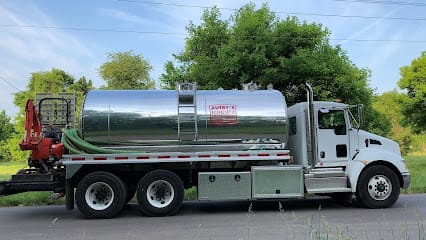
- Thorough Septic Tank Pumping: Complete removal of all wastewater, sludge, and scum from tanks—not the partial pumping some contractors provide by removing only liquid layers while leaving sludge that shortens service intervals. We break up bottom sludge deposits and extract them completely, remove floating scum from the top, and leave tanks genuinely empty rather than just less full. This thorough approach delivers the full 3-5 year interval between pumpings that proper service should provide, not shortened cycles forcing more frequent (and more expensive) maintenance.
- Real Estate Transfer Inspections: Comprehensive inspections meeting lender and closing requirements for Caldwell County property transactions. We evaluate tank structural integrity, verify recent pumping, check baffle condition (the tees preventing scum from leaving tanks), assess basic system functionality, and provide documentation satisfying real estate requirements. Sellers preparing properties for market benefit from identifying issues requiring correction before buyers discover them during due diligence. Buyers use our inspections to understand system condition and remaining service life before finalizing purchases.
- System Maintenance & Minor Repairs: Cleaning effluent filters that trap solids before they reach drainfields (filters most homeowners don’t know exist but that protect expensive drainfield investments), clearing drain line blockages between houses and septic tanks, replacing deteriorating inlet/outlet baffles before they fail completely, and addressing minor component issues discovered during pumping. We’re not full-service septic repair contractors, but we handle maintenance items and basic repairs that keep systems functioning between major service needs.
- Emergency Backup Response: When septic systems back up—sewage flowing into homes through the lowest drains, toilets that won’t flush, complete drainage failure—you need immediate pumping relieving hydraulic pressure. We prioritize backup calls, often providing same-day or next-day service depending on schedule demands. Stop water usage immediately when backups occur—don’t run dishwashers, washing machines, or take long showers. Every gallon added to overloaded systems brings sewage closer to extensive contamination requiring professional cleanup.
- Tank Locating & Access Solutions: Finding buried septic tanks in older properties where original installation didn’t include risers or where homeowners don’t know tank locations. We probe likely areas based on house age, plumbing layout, and typical installation practices when homes were built. Once tanks are located, we can expose them for pumping and recommend riser installation preventing future excavation during every service cycle. Risers typically pay for themselves within 2-3 pumpings through eliminated excavation labor.
- Maintenance Records & Service Reminders: Documentation of pumping dates, sludge accumulation rates observed during service, and recommendations for next service timing. We provide reminder calls when customers are due for pumping, preventing the “forgot when we pumped last” situations that lead to deferred maintenance and potential system damage. For homeowners who prefer not tracking maintenance schedules themselves, our reminders ensure timely service preventing problems that result from going too long between pumpings.
Common Septic Issues in Lenoir & Caldwell County
1. Slow Drains from Overdue Pumping
The Problem: Household drains running slowly—toilets that barely flush, sinks taking minutes to empty, showers pooling around feet—indicate septic tanks too full to accept additional wastewater efficiently. This isn’t normal system aging or minor inconvenience; it’s warning that tanks have reached capacity and backups into homes may occur if water usage continues without pumping.
Powell’s Response: We prioritize calls from homeowners experiencing drainage symptoms, understanding these represent systems approaching failure rather than routine maintenance situations. Pumping at the warning-sign stage prevents sewage from backing into living spaces, avoids health hazards and cleanup costs that backups create, and allows scheduled service rather than middle-of-the-night emergency calls. When you notice slow drains affecting multiple fixtures, call immediately rather than hoping problems resolve themselves.
2. Sludge Accumulation in Clay Soil Conditions
Caldwell County’s clay soils create maintenance realities different from sandy Coastal Plain areas—drainfields work harder to absorb effluent through slowly-draining clay, meaning they tolerate less margin for error when tanks aren’t pumped regularly. Sludge that might cause minor problems in sandy soils accelerates drainfield failure in clay because biomat develops faster once solids begin escaping tanks.
Preventive Maintenance Strategy: We recommend standard 3-5 year pumping intervals regardless of whether systems show symptoms. Waiting for slow drains or other problems before scheduling service means you’ve already waited too long—sludge is escaping and drainfield stress is occurring. Regular pumping on appropriate schedules prevents the sludge accumulation that clay soils cannot tolerate, protecting drainfield investments in conditions where replacement costs are substantial.
3. Tree Root Intrusion in Older Systems
Mature trees common in established Caldwell County neighborhoods send roots seeking water and nutrients—often finding both in septic systems where roots infiltrate cracks in concrete tanks, grow into pipe joints, and eventually create blockages restricting flow. Older systems using clay tile lateral pipes particularly vulnerable to root intrusion that clogs drainfields and prevents proper function.
Addressing Root Problems: During pumping, we inspect for signs of root intrusion—fibrous material in tanks, root masses visible through access ports, or customer reports of recurring blockages that cleared temporarily but returned. While we don’t provide extensive root removal or system modifications, we identify problems and can refer homeowners to contractors specializing in root treatment and pipe repair. Early detection allows addressing root issues before they cause complete system failure.
4. Older Systems Requiring Consistent Maintenance
Caldwell County includes many homes with septic systems installed 30-50 years ago when standards differed from current requirements—smaller tanks, simpler designs, and construction methods that may not have aged well. These older systems remain functional when properly maintained but cannot tolerate the deferred maintenance that newer systems might withstand temporarily.
Maintaining Aging Systems: We help homeowners with older systems understand that consistent maintenance becomes more critical as infrastructure ages—pumping intervals shouldn’t be extended just because systems “seem to be working fine,” and minor issues should be addressed promptly rather than waiting for complete failures. Our experience with older Caldwell County systems helps us recognize when aging infrastructure requires more frequent attention or when problems indicate replacement may be necessary soon regardless of current maintenance.
Why Caldwell County Homeowners Call Powell Septic Tank Services
Years of Local Experience: We’ve serviced septic systems throughout Lenoir, Hudson, Granite Falls, and surrounding Caldwell County communities for years—accumulating knowledge of local soil conditions, understanding which neighborhoods have older infrastructure requiring special attention, and learning through experience what works reliably in foothills terrain. This local experience helps us serve area properties efficiently rather than learning through trial and error on your system.
Straightforward, Reliable Service: We provide honest septic pumping without trying to upsell unnecessary services or repairs. If your tank and system components look good during pumping, we tell you so. If we notice deteriorating baffles or other issues, we explain what we found and why it matters—then let you decide how to proceed. Many homeowners appreciate contractors who focus on needed work rather than generating additional revenue through scare tactics or exaggerated urgency about minor issues.
Fair Pricing for Services Provided: We quote pumping costs upfront based on tank size and site accessibility—the price we quote is what you pay, without surprise charges appearing after work completes. Our pricing reflects honest cost assessment plus reasonable profit, not inflated rates or hidden fees. For Caldwell County homeowners on fixed incomes or managing tight budgets, our straightforward pricing helps them budget septic maintenance without worrying about unexpected expenses.
Getting the Job Done: We show up when scheduled—not vague “sometime this week” promises forcing homeowners to wait around all day. We complete pumping efficiently using equipment adequate for the work. We leave properties as clean as we found them—no scattered debris or muddy tire tracks. This basic professionalism shouldn’t be extraordinary, but homeowners notice when contractors actually do what they commit to doing rather than creating additional problems through careless work.
Understanding Foothills Conditions: Caldwell County’s terrain and soils create septic challenges that contractors unfamiliar with foothills conditions don’t always recognize. We understand how sloped sites affect system function, why clay soils demand more frequent pumping than sandy areas, where older neighborhoods are likely to have buried tanks requiring locating, and what maintenance intervals work reliably for local conditions. This understanding helps us provide better service than regional contractors trying to serve too much territory.
Maintenance Focus Preventing Failures: We emphasize preventive pumping rather than waiting for emergencies—because we’ve seen what happens when homeowners defer maintenance too long. Expensive drainfield failures. Sewage backups creating health hazards. Emergency calls generating stress and higher costs. Regular maintenance prevents most of these problems, which is why we focus on helping homeowners maintain proper pumping schedules rather than profiting from failures that preventive care would have avoided.
Ready to Schedule Septic Service?
Whether you’re due for routine pumping, experiencing slow drains indicating your system needs immediate attention, preparing a property for sale requiring inspection, or addressing deferred maintenance that’s gone too long, Powell Septic Tank Services provides the experienced local service Caldwell County homeowners need to keep septic systems functioning.
Contact Powell Septic Tank Services at (828) 728-4737 to schedule pumping, discuss system concerns, or arrange real estate transfer inspections.
From Lenoir to communities throughout Caldwell County’s foothills, we provide the straightforward septic maintenance that prevents expensive failures—delivering the reliable local service that years of area experience make possible, one thorough pump-out at a time.