Angier’s Septic Landscape: New Growth Meets Established Rural Systems
Angier’s rapid transformation from rural agricultural community to suburban bedroom community for Raleigh and Cary workers has created a unique septic service environment where new construction installation expertise and aging system repair capabilities are equally essential. The town’s position straddling the Wake-Harnett County border adds regulatory complexity that requires contractors to navigate two different permitting systems, building codes, and inspection protocols.
- Explosive Growth Demands: Angier’s population increased 89% between 2010 and 2020, with new subdivisions like Weatherly and Sunset Oaks requiring hundreds of septic system installations annually as builders race to meet housing demand from families seeking affordable alternatives to Wake County’s higher-priced markets.
- Dual-County Complications: Properties in Angier may fall under either Wake County Environmental Services or Harnett County Environmental Health jurisdiction, each with different permit requirements, system design standards, inspection protocols, and timeline expectations that confuse builders and homeowners unfamiliar with the regulatory landscape.
- Soil Characteristics: The Cecil-Appling-Wedowee soil complex underlying most of Angier features Piedmont clay with moderate to slow percolation rates (60-120 minutes per inch), requiring larger drainfield areas than sandy coastal soils and making proper system sizing critical to preventing hydraulic overload and premature failure.
- Real Estate Pressure: The robust housing market creates time pressure on septic inspections and repairs, as buyers demand systems pass health department standards before closing, often discovering problems during the inspection period that require immediate correction to keep transactions on track.
Common Septic Challenges in Angier & Surrounding Communities
Failed Septic Inspections: The Deal-Breaker
Real estate transactions in Angier, Fuquay-Varina, and Willow Spring increasingly hinge on septic system inspections, required by mortgage lenders and mandated by both Wake and Harnett Counties for properties not served by municipal sewer. These comprehensive evaluations assess tank condition (checking for cracks, collapsed baffles, or missing lids), pumping needs (measuring sludge and scum layer depths), drainfield functionality (testing for standing water, sewage odors, or vegetation stress patterns), and overall system adequacy for the home’s bedroom count and water usage. Failed inspections create crisis situations for sellers facing closing deadlines, with common failure points including cracked tank walls that leak effluent into surrounding soil, missing or clogged effluent filters (the “kidney” that prevents solids from reaching the drainfield), saturated drainfields showing visible surface water or sewage breakthrough, undersized systems that don’t meet current code requirements for the home’s size, or complete system absence (discovering the property relies on straight-piping or illegal discharge). Precision Septic Systems Inc’ inspection expertise helps identify problems early in the sales process, providing detailed reports that document deficiencies and offering accurate repair/replacement estimates that allow realistic negotiation between buyers and sellers rather than transaction collapse at the last minute.
New Construction Installation Challenges: Getting It Right from Day One
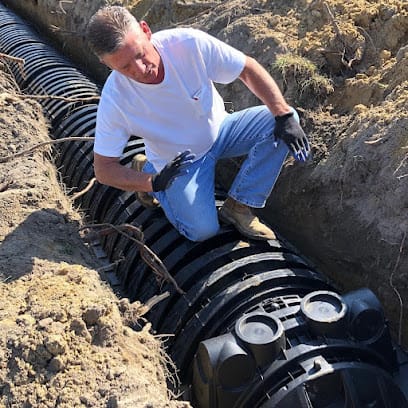
Builders developing Willow Spring and Angier subdivisions face mounting pressure to deliver completed homes quickly while navigating complex septic permitting and installation requirements that can derail construction schedules if not managed properly. The process begins with soil evaluation—a licensed soil scientist or health department official conducts percolation testing to determine soil absorption rates and suitable drainfield locations, work that must happen BEFORE site clearing or foundation excavation begins. Next comes permit application, submitting engineered system designs that specify tank size (minimum 1,000 gallons in North Carolina, larger for homes over 4 bedrooms), drainfield dimensions (calculated based on soil perc rates and household wastewater generation), and precise component placement meeting setback requirements from wells, property lines, surface waters, and buildings. Installation follows permit approval, requiring excavation to exact depths specified in permits, careful bedding and leveling of tanks to prevent settling or cracking, installation of distribution boxes and laterals with proper slopes for gravity flow, and backfilling that doesn’t compact drainfield areas or damage components. Finally comes inspection—county health officials verify installation matches approved plans before authorizing backfill completion and issuing occupancy permits. Errors at any stage cause expensive delays, failed inspections, and potential system redesign requiring additional permitting cycles. Precision Septic’s new construction expertise shepherds projects through this complex process, coordinating soil testing, preparing permit applications, installing systems to exact specifications, and scheduling inspections that pass on first attempt—keeping builders on schedule and protecting their reputations.
Drainfield Failures: When the Soil Can’t Absorb Anymore
The most expensive and disruptive septic failure involves drainfield collapse—the point where soil surrounding lateral pipes becomes so saturated with effluent and biological growth (biomat) that it can no longer absorb wastewater, causing backups into the home, standing water or sewage breakthrough in the yard, and foul odors that make properties uninhabitable. In Angier’s Piedmont clay soils, drainfield failure typically results from hydraulic overload (more wastewater than the soil can absorb, common when households exceed original design capacity or during wet spring seasons when clay stays saturated), biomat buildup accelerated by lack of routine tank pumping (solids escaping into the drainfield create thick biological slime that clogs soil pores), or physical damage from vehicles or construction equipment compacting soil over the drainfield area and crushing perforated laterals. Symptoms progress from slow drains and gurgling toilets to complete sewage backup, soggy areas over the drainfield that smell like sewage, and grass that’s suspiciously lush and green (fed by nutrients in escaping effluent). Once drainfield failure occurs, repair options are limited and expensive—sometimes hydro-jetting laterals and resting the system provides temporary relief, but most failures in Coats and rural Angier require complete drainfield replacement costing $8,000-$20,000 depending on soil conditions, required system size, and site accessibility. Precision Septic’s drainfield repair expertise begins with accurate diagnosis using soil probing and system evaluation to determine whether repair or replacement is necessary, then designs new drainfields meeting current code requirements and sized to prevent recurrence.
Pump System Failures: When Gravity Isn’t Enough
Properties throughout Fuquay-Varina and Willow Spring with challenging topography—homes built on hillsides where the best drainfield location sits uphill from the house, or lots with high water tables requiring elevated mound systems—rely on septic pump stations to move effluent from collection tanks to drainfield areas. These systems add mechanical complexity with corresponding failure modes: pump burnout (typically after 10-15 years of service or sooner if the pump runs excessively due to high household water usage), float switch malfunction (the mechanism that tells the pump when to activate stops working, causing either continuous pump operation or no pumping at all), electrical problems (circuit breakers trip, wiring corrodes, or control panels fail), and alarm system issues (the high-water alarm that warns of pump failure stops functioning, allowing tanks to overfill before homeowners notice). Pump failures create urgent situations because households quickly fill collection tanks when pumps stop working—a family of four generates 300-400 gallons of wastewater daily, meaning a typical 1,000-gallon pump chamber reaches capacity within 2-3 days of pump failure, at which point sewage backs up into the house. The piercing alarm indicating high water levels often sounds in the middle of the night, creating stressful emergency situations. Precision Septic’s pump expertise includes emergency pump replacement, preventive maintenance to extend pump life, alarm system testing and repair, and electrical troubleshooting to address the full range of pump station problems before they escalate to household backups.
Permitting and Code Compliance: Navigating Regulatory Requirements
Both homeowners and builders in the Angier area struggle with the complexity of septic permitting requirements that vary by county, property location, and system type. Wake County properties near watersheds feeding Jordan Lake, Falls Lake, or other protected waters face nitrogen-reducing requirements that mandate advanced treatment systems rather than conventional drainfields, adding $5,000-$10,000 to installation costs and requiring ongoing maintenance contracts. Harnett County uses different standards and processes, evaluating soil suitability through percolation tests and sometimes requiring mound systems or sand filters when native soil doesn’t meet minimum absorption requirements. Properties changing hands require “Improvement Permits” documenting system condition and repairs, while system expansions or replacements need full design approval from county environmental health departments—processes that take 2-8 weeks even when applications are complete and accurate. Homeowners attempting DIY installations or hiring unlicensed contractors risk discovering during final inspection that their systems don’t meet code, requiring expensive remediation before counties authorize use. Precision Septic’s permitting expertise removes this uncertainty, handling all applications, coordinating required soil testing and engineering, communicating with health department officials throughout the approval process, and ensuring installations pass inspection the first time without costly corrections or delays.
Complete Septic Solutions for Angier & the Wake-Harnett Border
Our directory connects property owners and builders in Angier and surrounding communities with Precision Septic Systems Inc, a locally based contractor that has earned 4.8 stars across 55 reviews by delivering technical precision and regulatory compliance expertise that protects clients’ investments and timelines. Their comprehensive septic services address both new construction installation needs and existing system repair, inspection, and maintenance requirements.
- New Septic System Installation: Complete design, permitting, and installation services for new construction homes and replacement systems. Process begins with coordinating soil evaluation through county health departments (Precision Septic maintains relationships with licensed soil scientists who expedite testing schedules), followed by engineered system design that sizes tanks and drainfields based on actual soil percolation rates and household wastewater generation rather than minimum code compliance. Permit application preparation includes all required documentation, site plans, and technical specifications that meet Wake or Harnett County standards depending on property location. Installation uses GPS-guided excavation equipment for precise placement, properly bedded and leveled tanks to prevent settling, carefully sloped distribution systems for reliable gravity flow, and quality components from reputable manufacturers with proven longevity. Final inspection coordination ensures county officials approve systems on first attempt, authorizing backfill and occupancy without delays. Typical timeline from soil evaluation to final approval: 3-6 weeks depending on county backlog and weather conditions.
- Septic System Inspections: Comprehensive evaluations required for real estate transactions, mortgage lending, and periodic property maintenance. Inspections include locating and uncovering tank access (installing risers if needed to eliminate future digging), measuring sludge and scum layer depths to assess pumping needs, inspecting tank structural condition for cracks or deterioration, checking inlet/outlet baffles for damage, examining effluent filters for clogs, evaluating drainfield areas for signs of failure (standing water, odors, stressed vegetation), testing distribution boxes for level installation and even flow distribution, verifying system capacity meets home’s bedroom count and code requirements, and documenting all findings with photographs and detailed reports suitable for real estate negotiations or lender requirements. Precision Septic Systems Inc completes most inspections within 2-3 business days of scheduling, providing rapid turnaround critical for transactions approaching closing deadlines. When inspections reveal deficiencies, they provide accurate repair/replacement estimates and can immediately schedule correction work to keep sales on track.
- Drainfield Repair and Replacement: Expert diagnosis and correction of failing absorption systems, beginning with investigation to determine failure causes—hydraulic overload from undersized systems, biomat accumulation from inadequate tank maintenance, soil compaction from vehicles or construction equipment, or tree root intrusion seeking moisture and nutrients. Minor problems sometimes respond to system resting (eliminating household water use for several weeks while soil bacteria naturally decompose excess biomat) combined with hydro-jetting to clear blocked laterals. More severe failures require complete drainfield replacement, involving soil testing to locate suitable alternative areas (often challenging on smaller lots where original drainfield consumed the best location), permit application for the replacement system, excavation and removal of failed components, installation of new distribution boxes and laterals sized to current code requirements, and final inspection approval. Precision Septic’s drainfield expertise ensures new systems are properly sized and positioned to prevent recurrence of the original failure.
- Septic Tank Pumping and Maintenance: Regular removal of accumulated sludge and scum layers before they reach levels that allow solids to escape into drainfields, causing premature system failure. Service includes thorough pumping that removes both liquid and settled solids (not just surface skimming that some discount pumpers provide), inspection and cleaning of inlet/outlet baffles that prevent floating scum from leaving the tank, effluent filter cleaning or replacement (this critical component requires servicing every 6-12 months but is often neglected until complete clogging causes household backups), and lid/riser inspection to ensure access remains secure while allowing easy future service. For Angier’s Piedmont clay soil conditions, Precision Septic Systems Inc recommends pumping every 3-4 years for standard households, more frequently (every 2-3 years) for homes with garbage disposals, larger families, or high water usage patterns. Preventive maintenance dramatically extends drainfield life by preventing the solid escapes that accelerate biomat formation and soil clogging.
- Pump Replacement and Repair: Expert service for properties with pump-assisted systems, including emergency pump replacement when units fail (typically 12-24 hour response time to minimize household disruption), scheduled preventive pump replacement before failure occurs (proactive approach for pumps approaching 12-15 year service life), float switch replacement when water level sensors malfunction, control panel repair or replacement when electrical components fail, and high-water alarm testing and repair to ensure early warning systems function when needed. Services include electrical troubleshooting to identify whether problems originate in the pump unit itself or in supply wiring and controls, pump sizing verification to ensure replacement units match system requirements (undersized pumps run excessively and fail prematurely, while oversized pumps cause other problems), and installation techniques that simplify future service access.
- Soil Evaluation Coordination: Arrangement and oversight of percolation testing and soil profile analysis required for new system permits, working with licensed soil scientists who understand Wake and Harnett County requirements. Services include coordinating site access and testing schedules with property owners and builders, attending evaluation appointments to discuss findings and system design implications, interpreting soil scientist reports for clients unfamiliar with technical terminology, and incorporating soil data into system designs that optimize performance within site constraints. Critical service for builders purchasing raw land who need septic feasibility confirmation before completing acquisitions, and for homeowners with failing systems who need to identify suitable replacement drainfield locations.
- System Upgrades and Modifications: Adding capacity to existing systems when homes expand (bedroom additions, finished basements, or accessory dwelling units), upgrading conventional systems to advanced treatment units meeting nitrogen-reduction requirements in protected watersheds, installing monitoring wells or sampling ports required by regulatory agencies, and adding pump stations when drainfield relocations require uphill effluent transport. Services include permit applications for system modifications (counties treat upgrades similarly to new installations, requiring engineered designs and health department approvals), integration of new components with existing tanks and fields where feasible, and testing to verify upgraded systems meet performance standards.
- Emergency Response: Rapid response for urgent situations including sewage backups, pump failures, and system collapses that make homes temporarily uninhabitable. While not offering 24/7 service, Precision Septic Systems Inc prioritizes emergency calls during business hours and provides guidance for temporary measures (water usage cessation, valve shutoffs) that minimize damage until technicians arrive. Emergency services focus on rapid diagnosis, immediate temporary solutions when permanent repairs require permits or extended timelines, and expedited scheduling of correction work to restore system function as quickly as possible.
Contact Precision Septic Systems Inc at (919) 909-4389 or their Angier location on Homestead Ln to schedule installation, inspection, or repair services, or to discuss septic system requirements for new construction projects in the Wake-Harnett border region.