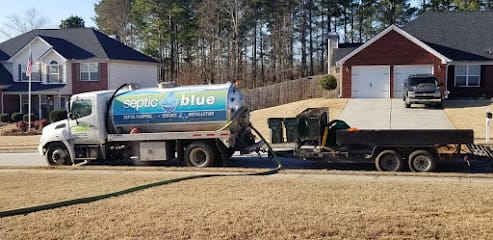
Raleigh’s septic landscape reflects Wake County’s diverse character—historic homes in Five Points with 70-year-old systems battling root intrusion from mature oak trees, upscale developments in North Hills where modern installations still face red clay’s drainage challenges, and explosive suburban growth in Wake Forest where new construction meets the same soil realities that have defined septic performance in the Triangle for generations. Septic Blue of Raleigh has built its reputation on understanding this complexity, bringing modern efficiency and transparent service to a market that demands both technical expertise and professional communication. From our operations center on Whitaker Mill Road near the Raleigh Iron Works district, we dispatch GPS-tracked crews via I-440 to serve the entire Wake County area—pumping tanks before Wake County red clay’s poor drainage creates hydraulic overload, repairing drainfields where biomat buildup has exceeded percolation capacity, conducting real estate inspections that satisfy both buyers and lenders, and installing risers that transform maintenance from expensive excavation into simple access. With a 4.5-star rating backed by 817 reviews, Septic Blue has proven that professional, technology-enabled service matters in a market where homeowners expect the same efficiency from septic contractors that they receive from every other modern service provider.
Wake County red clay defines septic performance throughout the Raleigh area. This dense, fine-textured soil percolates water slowly—60-90 minutes per inch compared to the 30 minutes or less that sandy soils achieve. When systems experience hydraulic stress during the Triangle’s intense summer thunderstorms or extended spring rains, clay-saturated soil can’t absorb effluent fast enough, creating backup conditions. Biomat—the biological slime layer that forms where effluent meets soil in drainfields—thickens faster in clay, progressively reducing percolation rates until fields fail. Tree roots from Raleigh’s urban forest canopy invade septic lines through every crack, creating blockages that require professional clearing. Septic Blue understands these challenges because we service hundreds of Wake County systems annually, adjusting pumping schedules for clay soil’s demands (typically every 2-3 years, not the generic 3-5 years), diagnosing drainfield problems with video inspection and soil assessment, and providing solutions designed for the actual conditions we face—not textbook ideals that don’t account for Triangle clay and rainfall patterns.
From our Whitaker Mill Road operations center, strategically located near the I-440 Beltline for rapid deployment throughout Wake County, we bring modern efficiency to septic service. GPS dispatch optimizes routing, online scheduling accommodates your calendar, digital invoicing simplifies payment and record-keeping, and text message confirmations eliminate schedule uncertainty. Whether you’re a Five Points homeowner maintaining a historic property’s aging septic system, a North Hills resident requiring thorough real estate inspection before closing, or a Wake Forest family discovering that your new home’s septic system needs regular maintenance despite being just five years old, Septic Blue combines technical expertise with the professional service standards that Raleigh’s educated, technology-savvy market expects. We provide upfront pricing, explain recommendations in clear terms, and document our work thoroughly—no surprises, no jargon, just transparent professional service.
Complete Septic Solutions for Raleigh Residents
Septic Blue of Raleigh provides comprehensive residential and commercial septic services throughout Wake County, with particular expertise in the clay soil conditions, mature tree challenges, and diverse system ages that define Triangle septic infrastructure:
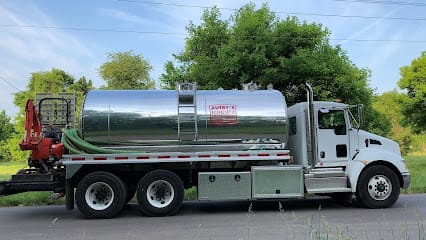
- Septic Tank Pumping & Maintenance — Wake County red clay demands more frequent septic pumping than better-draining regions. We recommend pumping every 2-3 years for typical households on clay soil—more frequently if you have garbage disposals (which increase solid load), large families, or older systems showing stress. Why the shorter interval? Clay soil can’t handle hydraulic overload. When tanks fill with solids, liquid storage capacity decreases. During heavy rains, systems overflow into drainfields, carrying solids that clog soil pores and accelerate biomat thickening. Septic Blue pumps tanks completely—removing all solids from all compartments, cleaning effluent filters (the critical screen protecting your drainfield), inspecting baffles for corrosion, and documenting tank condition. We provide digital service records accessible through your customer portal and send automated reminders when you’re due for the next pumping. Our modern pump trucks handle tanks from 1,000 gallons (common in older Raleigh neighborhoods) to 1,500-2,000 gallons (typical in newer construction) efficiently, with long hoses reaching tanks in difficult access situations.
- Drainfield Repair & Replacement — When drainfields fail in Wake County clay, symptoms appear clearly: sewage odors, wet spots over the field, slow drains throughout the house, backup into fixtures, or unusually green grass indicating nutrient leaching. Biomat buildup—the biological layer where effluent meets soil—is normal and necessary for treatment, but in clay soil it thickens beyond functional limits, creating a barrier that prevents percolation. Tree roots from Raleigh’s mature urban forest invade laterals through joints and cracks. Compacted clay from vehicles or construction equipment crushes distribution pipes. Septic Blue diagnoses drainfield problems systematically: we excavate inspection ports to examine laterals, assess biomat thickness, check distribution boxes for proper level and flow, and evaluate soil conditions. For repairable problems (single failed lateral, correctable root intrusion, fixable distribution issues), we perform targeted repairs. For fields showing widespread failure, we design and install replacement systems sized appropriately for Wake County clay—larger than minimum code, with proper slope, gravel or chamber beds providing drainage capacity the clay lacks, and modern materials resisting compaction and root damage.
- Septic System Inspections — Raleigh’s competitive real estate market—particularly in desirable neighborhoods like North Hills, Cameron Village, and inside the Beltline—demands thorough septic inspections that satisfy buyers, sellers, and lenders. Septic Blue performs comprehensive inspections: we pump the tank completely (revealing issues hidden by high water levels), inspect all components (baffles, filters, distribution boxes, risers), locate and examine the drainfield for saturation or surfacing sewage, verify system capacity matches house size, and provide detailed reports with photographs documenting condition. For buyers, our inspections identify problems before closing—allowing negotiation for repairs or price adjustment. For sellers, pre-listing inspections demonstrate system functionality and prevent transaction delays. We understand real estate timelines, schedule inspections quickly, deliver reports within 24-48 hours, and communicate findings in language that non-technical parties understand. Our reports meet lender requirements and facilitate smooth closings.
- Riser Installation & System Access Upgrades — Older Wake County septic systems—particularly in historic neighborhoods like Five Points, Mordecai, and Oakwood—often have buried tank lids requiring excavation every time you need service. Septic Blue retrofits systems with risers, bringing access to ground level with secure, landscape-friendly lids. This one-time upgrade ($400-800 typically) saves hundreds on future pump-outs by eliminating excavation charges and makes effluent filter cleaning feasible—filters should be cleaned every 6-12 months, but most homeowners skip this critical maintenance because digging up the tank is too much trouble. With risers, filter maintenance becomes simple enough to actually perform, protecting your drainfield from premature failure. For Raleigh homes where property values justify protecting substantial investments, risers provide excellent return through reduced maintenance costs and extended system life.
- Effluent Filter Cleaning & Baffle Inspection — Effluent filters—screens installed in tank outlets to prevent solids from entering drainfields—are critical components that most homeowners neglect because accessing buried tanks is difficult. Septic Blue provides regular filter cleaning as standalone service or combined with pumping. We also inspect baffles (the tees or walls that prevent floating scum from leaving the tank) for corrosion and damage. In Wake County’s climate, concrete baffles deteriorate over time; plastic baffles can break from improper pumping. Failed baffles allow solids into drainfields, causing rapid failure. We identify and replace damaged baffles before they destroy your expensive drainfield.
- Hydro-Jetting & Video Inspection — Root intrusion is epidemic in Raleigh’s established neighborhoods where mature oaks, pines, and maples line every street. Roots seek moisture in septic lines, invading through joints and cracks, eventually creating blockages that cause backups. Standard cable snaking provides temporary relief—punching holes through root masses—but roots regrow within months. Hydro-jetting uses high-pressure water (up to 4,000 PSI) to cut roots flush with pipe walls and scour away decades of buildup, providing permanent clearing. Septic Blue performs video camera inspection before and after jetting, documenting the obstruction and verifying complete clearing. If inspection reveals cracked pipes, collapsed sections, or other structural problems requiring repair, we provide honest assessments with video evidence—not sales pressure, just facts enabling informed decisions.
- Emergency Septic Services — Septic emergencies—sewage backing up into homes, drainfield flooding, tanks overflowing—require rapid professional response. Septic Blue provides emergency pumping and assessment throughout Wake County. When you call with an emergency, we prioritize dispatch based on severity and respond as quickly as truck availability allows. During Wake County’s intense storm seasons when systems face maximum hydraulic stress, we maintain surge capacity to handle increased emergency volume.
Serving Five Points, North Hills, and Wake Forest
From our operations center on Whitaker Mill Road near the Raleigh Iron Works district, Septic Blue dispatches crews via I-440 to serve Wake County’s diverse communities. Whether you own a historic home in Five Points where mature oak trees threaten septic lines installed 50-70 years ago and where maintaining neighborhood character requires careful restoration after any excavation work, maintain a property in the upscale North Hills development where modern systems still face Wake County clay challenges and where homeowners expect professional service standards, or live in rapidly growing Wake Forest where new construction reveals that even modern septic systems require regular maintenance and proper sizing for clay soil conditions, we understand the specific challenges your property and neighborhood present.
Five Points represents Raleigh’s historic character—homes built in the 1940s-60s with original or aging septic systems, mature trees creating beautiful canopies and chronic root intrusion problems, and homeowners who value both historic preservation and modern service efficiency. These properties need contractors who understand that excavation work requires careful restoration to maintain property values and neighborhood aesthetics. North Hills and similar planned developments feature modern construction with contemporary septic systems, but Wake County clay doesn’t discriminate by system age—biomat still builds faster, clay still drains slowly, and hydraulic overload still threatens systems during heavy rains. These communities expect responsive scheduling, professional communication, and transparent pricing.
Wake Forest’s explosive growth represents the Triangle’s suburban expansion—new homes with modern septic systems that homeowners often assume require less maintenance than reality dictates. Clay soil is clay soil whether the system was installed in 1965 or 2020. New homeowners transitioning from city sewer often don’t realize septic systems require regular pumping and maintenance. Septic Blue educates while we service, explaining why clay soil demands 2-3 year pumping intervals, how effluent filters protect drainfields, and what warning signs indicate problems requiring attention.
Our Whitaker Mill Road location near I-440 positions us centrally for efficient routing throughout Wake County—from inside the Beltline’s urban core through Raleigh’s established neighborhoods, north to Wake Forest and Rolesville, west to Cary and Apex, and throughout the county’s rapid development zones. GPS dispatch optimizes response times, online scheduling accommodates your calendar, and our modern operational systems provide the efficiency that Raleigh’s professional class expects from service providers.
Why Raleigh Trusts Septic Blue
Modern Professional Service: Septic Blue’s 817 reviews and 4.5-star rating reflect our commitment to bringing modern efficiency to septic service. Reviews consistently mention “easy online scheduling,” “text message confirmations,” “showed up exactly on time,” “clear upfront pricing,” and “explained everything in plain English.” We operate with the same professional standards as other modern service providers—GPS-tracked trucks, digital scheduling, automated reminders, online payment options, and customer portals providing service history access. For Raleigh’s educated, technology-savvy homeowners who expect efficiency and transparency, Septic Blue delivers septic service that matches contemporary service standards rather than outdated industry norms.
Transparent Pricing & Communication: Wake County homeowners—particularly in professional neighborhoods like North Hills, Cameron Village, and inside the Beltline—expect clear communication and honest pricing. Septic Blue provides upfront estimates before starting work, explains what we found during service and what recommendations mean, and documents everything thoroughly. We don’t use scare tactics or technical jargon to pressure unnecessary services. If your tank just needs pumping, we tell you that. If your drainfield shows early warning signs requiring monitoring, we explain what to watch for and when intervention becomes necessary. This transparency builds trust and long-term customer relationships rather than maximizing individual transaction revenue.
Wake County Clay Expertise: Septic Blue specializes in the clay soil conditions that define septic performance throughout the Triangle. We understand why biomat builds faster in clay, how hydraulic overload occurs during storm events, what drainfield designs work reliably in slow-percolating soils, and how pumping schedules must adjust for clay’s challenges. This expertise means accurate diagnosis, appropriate recommendations, and solutions designed for actual Wake County conditions—not generic approaches that fail in our specific environment. When we recommend more frequent pumping or larger replacement drainfields, it’s based on documented clay soil science and decades of Triangle septic experience—not upselling.
Real Estate Transaction Experience: Raleigh’s competitive housing market creates constant demand for septic inspections that meet lender requirements, protect buyers, and facilitate smooth closings. Septic Blue understands real estate timelines, schedules inspections quickly (often within days), delivers detailed reports rapidly (24-48 hours), and communicates with agents, buyers, sellers, and lenders professionally. Our inspection reports document system condition thoroughly with photographs, identify issues requiring attention, provide cost estimates for repairs, and present information in formats that satisfy lending requirements. For North Hills, Five Points, and Wake Forest properties where transactions move quickly and property values are substantial, this professional approach protects investments and prevents deal-killing surprises.
Equipment & Operational Efficiency: Septic Blue maintains a modern fleet of GPS-tracked pump trucks, carries comprehensive parts inventory (filters, risers, baffles), and operates with routing optimization that minimizes response times and maximizes daily service capacity. When you schedule service, we provide specific time windows (not vague “morning” or “afternoon”), send confirmation messages, and notify you when crews are en route. Our trucks carry long hoses for difficult access situations, equipment for riser installation, video inspection cameras for diagnosis, and the capacity to handle large modern tanks in single visits. This operational efficiency respects your time—important in Raleigh where professional schedules don’t easily accommodate vague appointment windows.
Ready to Schedule Service or Request Inspection?
Schedule Online SepticBlueRaleigh.com or Call Our Dispatch Center at (919) 446-4099 for immediate assistance. We provide convenient scheduling for routine maintenance (septic pumping, filter cleaning, inspections), accommodate tight timelines for real estate transactions, and respond to emergencies throughout Wake County.
Whether you need routine septic pumping to prevent hydraulic overload in Wake County clay, thorough real estate inspection for a North Hills property purchase, drainfield repair to address biomat buildup issues, or riser installation to eliminate future excavation costs, Septic Blue brings professional expertise and modern efficiency to septic service. From our Whitaker Mill Road operations center, we’ve built our reputation on transparent communication, reliable service, and technical knowledge that respects both Raleigh’s historic character and its contemporary expectations—and we have 817 reviews proving we deliver professional service consistently.