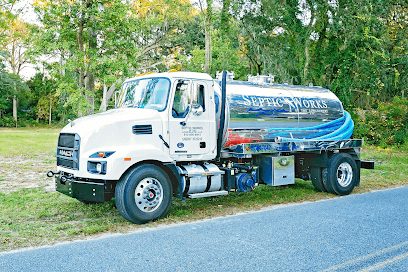
Living on Whitemarsh or Wilmington Island means enjoying the coastal lifestyle—deep water access, marsh views, and the rhythm of tides—but it also means dealing with sandy soil and a high water table that create unique septic challenges. Septic Works of the Lowcountry has built our 4.9-star reputation across 99 reviews by understanding exactly how these conditions affect septic performance and by protecting both island homes and the fragile marsh ecosystems that define the Lowcountry. Based right here on Whitemarsh Island off Clarendon Road, we can reach Wilmington Island or Thunderbolt in minutes, serving homeowners throughout Whitemarsh, Wilmington, and Talahi Islands who need septic professionals that understand coastal regulations, high water table engineering, and the specialized systems common in the 31410 zip code.
We’re the island’s trusted choice because we’re not a mainland company dispatching to the coast—we live here, we understand Chatham County Environmental Health’s marsh setback requirements, and we’ve seen what happens when septic systems fail near the water table or too close to tidal zones. With 99 reviews documenting our reliability and care, we’re the septic team that island residents call for routine pumping, emergency backups during storm seasons when high tides stress systems, and real estate inspections before purchasing older island homes. Whether you’re on a deep water lot with an elevated mound system or in an established neighborhood dealing with sandy soil drainage, we’re the Lowcountry professionals who treat your property like our own.
Protecting Lowcountry Homes & Marshes
Savannah’s islands present septic challenges that upland areas don’t face: sandy soil that drains quickly but provides minimal filtration, high water tables that limit vertical separation between drainfields and groundwater, and proximity to tidal marshes that require strict regulatory compliance to prevent contamination. Here’s how we keep island septic systems functioning safely:
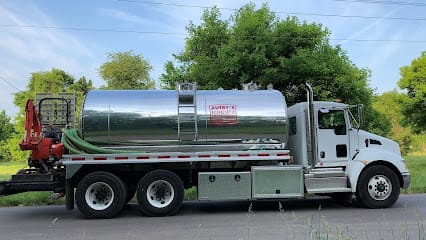
- Septic Tank Pumping & Solids Removal — On the islands where the water table sits just a few feet below ground, preventing solids from escaping your tank isn’t just about protecting your drainfield—it’s about protecting groundwater and marsh ecosystems. We completely remove both the sludge layer at the bottom and the scum layer floating on top, ensuring solids don’t pass through to the drainfield where sandy soil provides minimal filtration before effluent reaches the water table. For island properties, we recommend pumping every 3 years for standard households, or every 2 years if you have a garbage disposal or host frequently. High water table conditions accelerate system stress, and deferred maintenance leads to groundwater contamination that affects your neighbors’ wells and the marsh biology we all value.
- Real Estate Septic Inspections for Island Properties — Buying an older home on Whitemarsh or Wilmington Island? Septic inspections are critical because many island properties were built before modern regulations required elevated systems or adequate marsh setbacks. We perform comprehensive inspections that check tank integrity (older concrete tanks often show corrosion from salt air and high humidity), verify baffle condition, inspect drainfield performance, and document system compliance with current Chatham County standards. We look for root intrusion from live oaks and palmettos, check for wet spots indicating drainfield failure, and assess whether elevated systems are functioning as designed. Our inspection reports document findings and provide cost estimates for any needed repairs, protecting buyers from inheriting expensive problems.
- Drainfield Restoration & Repair — When you notice wet spots in your yard, sewage odors near the drainfield, or unusually lush grass in one area, your drainfield is likely failing. In sandy Lowcountry soil with high water tables, drainfield failures manifest quickly because there’s minimal soil depth between the laterals and the water table. We diagnose whether failure is caused by hydraulic overload (too much water entering the system), biomat buildup (biological slime clogging soil pores), or structural issues like crushed pipes or root intrusion. Depending on the cause and severity, we either restore function through targeted repairs or recommend replacement when the field is beyond recovery. For marshfront properties, we ensure all work complies with setback requirements and environmental protections.
- ATU & Mound System Maintenance — Many island properties use Aerobic Treatment Units (ATUs) or elevated mound systems because high water tables prevent conventional gravity drainfield installation. ATUs require more frequent maintenance than conventional tanks—the aerator needs service every 6 months, and the treatment process must be monitored to ensure proper function. Mound systems use sand fill to create vertical separation above the natural water table, and they require specialized knowledge to maintain and repair. We service both system types, understanding the unique maintenance schedules, component vulnerabilities, and performance monitoring that keeps these engineered solutions functioning in challenging coastal conditions.
- Emergency Response During Storm & High Tide Events — Hurricane season and king tides create specific septic challenges on the islands. When storm surge or extreme high tides raise the water table, septic systems can back up because drainfields can’t discharge effluent into saturated soil. We provide emergency response when systems overflow during these events, pumping tanks to create capacity and advising homeowners on water conservation until tide levels drop. For properties prone to tidal flooding, we assess whether system modifications can improve resilience or whether pumping schedules need adjustment during storm seasons.
- Compliance with Chatham County Environmental Health Regulations — Septic systems on the islands must meet strict setback requirements from marshlands, waterways, and wells to protect water quality and sensitive ecosystems. We ensure all maintenance, repairs, and inspections comply with Chatham County regulations, and we document work properly for permitting purposes. For homeowners considering system modifications or additions that might affect septic capacity, we provide guidance on regulatory requirements before you start projects that could trigger compliance issues.
Serving Whitemarsh, Wilmington, and Talahi Islands
From the deep water lots on Wilmington Island where luxury homes sit just feet from tidal creeks, to the family neighborhoods of Whitemarsh where ranch-style homes from the 1970s deal with aging septic systems, and across to Talahi Island where newer construction often includes engineered mound systems, we serve the full range of island properties and septic configurations. Being based right here on Clarendon Road means we’re not just familiar with these communities—we’re part of them. We understand the specific challenges each island faces: Wilmington’s older systems dealing with root intrusion from mature live oaks, Whitemarsh’s mix of conventional and elevated systems responding to varying water table depths, and Talahi’s engineered solutions designed for the highest water table areas.
The Lowcountry’s sandy soil and high water table create septic conditions that mainland Savannah doesn’t experience. Sandy soil drains quickly, which sounds beneficial but actually means minimal filtration before effluent reaches groundwater—requiring more frequent pumping to prevent solids from escaping the tank. High water tables limit the vertical separation between drainfield laterals and the saturated zone, meaning systems have less “treatment depth” in the soil before effluent mixes with groundwater. And proximity to tidal marshes brings additional regulatory scrutiny because septic failures don’t just contaminate groundwater—they impact sensitive estuarine ecosystems that support fisheries and wildlife.
We’ve spent years learning how these coastal conditions affect septic performance, how tidal cycles stress systems during extreme events, and what maintenance schedules prevent failures in sandy, high-water-table environments. That local knowledge is why island residents trust us with their septic systems and why real estate agents recommend us for pre-purchase inspections. We’re not applying generic upland septic guidance to coastal properties—we’re providing solutions engineered for the specific challenges of island living in the Lowcountry.
Why Savannah Locals Rate Us 4.9 Stars
Exceptional Care & Property Respect — 4.9 Stars Across 99 Reviews — Our 99 reviews consistently mention one thing: we treat your yard like it’s our own. We drive on existing tracks to minimize lawn damage, we protect landscaping during access, and we leave properties cleaner than we found them. Island homes often have meticulously maintained yards and mature landscaping—we understand the care you’ve invested and we respect it. That attention to detail has earned us a 4.9-star rating and made us the most trusted septic service on the islands.
Local Knowledge of Island Regulations & Geology — We’re based on Whitemarsh Island, not dispatching from mainland Savannah. That means we understand Chatham County Environmental Health’s specific requirements for marsh setbacks, we know where the water table sits highest across different island neighborhoods, and we’ve worked with virtually every septic configuration common in the 31410 and 31419 zip codes. When we inspect systems or recommend maintenance schedules, we’re factoring in local conditions that out-of-area companies miss—like how king tides affect specific neighborhoods or which areas have the shallowest water tables requiring elevated systems.
Reliability During Storm Seasons & Emergencies — Hurricane season brings specific septic challenges to the islands: storm surge raises water tables, heavy rain saturates drainfields, and systems back up when they can’t discharge effluent into waterlogged soil. We provide emergency response during these critical periods, understanding that septic backups during storms aren’t just inconveniences—they’re health hazards. Our 99 reviews include numerous mentions of emergency calls answered quickly, backups resolved during difficult conditions, and guidance that helped homeowners protect their systems during extreme weather. That reliability when it matters most is why island residents keep our number handy during hurricane season.
Specialized Knowledge of Coastal Septic Systems — ATUs, mound systems, and other engineered solutions common on the islands require specialized knowledge beyond conventional septic service. We maintain aerobic treatment units on their required 6-month service schedules, we understand how mound systems distribute effluent through sand media, and we diagnose problems specific to these advanced configurations. Many mainland septic companies lack experience with these systems and either decline service or provide inadequate maintenance. We’ve built our business around the specialized systems that high water tables require, and that expertise is why homeowners with ATUs and mound systems specifically seek us out.
Environmental Stewardship & Marsh Protection — Living on the islands means living with the marsh—and protecting it isn’t just regulatory compliance; it’s environmental stewardship. We ensure septic systems function properly to prevent groundwater and marsh contamination, we follow all setback requirements for work near tidal zones, and we educate homeowners on how their septic systems affect the broader ecosystem. For island residents who value the natural environment that makes the Lowcountry special, we’re the septic team that shares that commitment and operates accordingly.
Ready to Schedule Pumping or Need Emergency Service?
Call Septic Works of the Lowcountry at (912) 856-6915, or use the contact form to request service. We handle routine septic tank pumping, real estate inspections, drainfield repairs, and ATU/mound system maintenance throughout Whitemarsh, Wilmington, and Talahi Islands.
For Savannah island residents dealing with sandy soil and high water tables that make septic systems work differently than mainland properties, we’re the Lowcountry team with 99 reviews and a 4.9-star rating proving we deliver careful, knowledgeable, reliable service. We’re based right here on Whitemarsh Island, we understand coastal septic challenges, and we treat your property with the respect it deserves. Let’s keep your system functioning safely and protect the marsh environment that makes island living special.