Understanding Nash County Soil: Why Coastal Plain Sand Changes Everything
Bailey sits in North Carolina’s coastal plain, where the Piedmont’s red clay gives way to sandy loam soil—primarily Norfolk and Wickham series. This lighter, more porous earth defines how septic systems behave in southern Nash County. Unlike the dense clay around Raleigh or Durham that drains slowly, coastal plain sand allows water to move quickly through the soil profile. A percolation test in Bailey might show 15-30 minutes per inch compared to 60-120 minutes in Piedmont clay.
This fast drainage sounds ideal for septic systems—effluent disappears quickly into the ground, drainfields don’t stay saturated, and systems seem to work effortlessly. But this rapid movement creates its own challenges that Nash County homeowners need to understand:
- Limited Filtration Time: When effluent percolates through soil in 20 minutes instead of 90, there’s less time for bacteria in the soil to break down contaminants. Sandy soil requires larger drainfields than clay to ensure adequate treatment before effluent reaches groundwater. A system sized for clay soil will fail prematurely in Nash County sand.
- Biomat Vulnerability: The biomat—a biological layer that forms where effluent meets soil—is thinner and more fragile in sandy soil. When solids escape from the septic tank (because homeowners skip pumping), they quickly clog sandy drainfields. Unlike clay soil that might tolerate some solid intrusion, sand clogs rapidly and permanently. Once biomat becomes too thick in sandy soil, the drainfield rarely recovers—replacement becomes necessary.
- Water Table Proximity: Southern Nash County’s flat coastal plain terrain means water tables closer to the surface than in Piedmont regions. Low-lying areas near creeks or drainage ways can have seasonal water tables that rise to within 2-3 feet of the surface during wet periods, temporarily saturating drainfields and causing backups even in properly maintained systems.
- Old Farm System Legacy: Many Nash County properties have septic systems installed decades ago when standards were minimal. Farm properties might have systems designed for a small farmhouse but now serving expanded homes or additional structures. These undersized vintage systems strain to handle modern loads in sandy soil that provides less margin for error than clay.
Common Septic Challenges in Bailey & Nash County
1. Biomat Buildup: Sandy Soil’s Silent Killer
When homeowners skip routine pumping, sludge accumulates in the septic tank until it reaches the outlet level. Then solids begin escaping with the outgoing effluent, flowing into the drainfield where they should never go. In clay soil, this might cause gradual problems over years. In Nash County’s sandy soil, it causes rapid failure. The escaped solids feed bacteria that form biomat—a slimy biological layer in the soil. Normally biomat is beneficial, helping treat effluent. But when fed too many solids, it thickens dramatically and seals the soil, preventing water absorption. Drainfields stop functioning, effluent backs up into the house or surfaces in the yard, and the system fails. Prevention is simple: pump the tank every 3-4 years so solids never escape. But once biomat clogs sandy soil, repair often means complete drainfield replacement at $8,000-$15,000—far more than the $350-$450 cost of routine pumping.
2. Old Farm Systems: When Vintage Meets Modern Demands
Bailey area farms often have septic systems installed in the 1960s-1980s when houses were smaller and standards were minimal. A 500-gallon tank served a small farmhouse adequately when it was built. But when that house gets expanded, when additional bathrooms are added, or when the property converts to year-round residence instead of weekend use, the original system becomes severely undersized. In sandy soil with fast drainage, undersized tanks fill quickly and provide inadequate settling time for solids. This leads to solids escaping into the drainfield and premature system failure. Properties in Middlesex, Sims, or rural Nash County with older homes need realistic assessment—is the existing system adequate for current use, or is it operating on borrowed time? Southern Nash Septic’s experience with farm properties means understanding these vintage systems and providing honest guidance about whether repairs will work or replacement is inevitable.
3. Root Intrusion in Rural Properties
Nash County’s rural character means properties surrounded by mature trees—pine, oak, sweetgum, and willow all seeking moisture in sandy soil. Septic system pipes become natural targets: sewer lines from house to tank, and drainfield laterals all contain the water roots desperately seek. In sandy soil, roots grow aggressively because water drains away quickly, forcing trees to send roots deeper and wider. Once roots enter a pipe through joints or cracks, they grow rapidly and form masses that clog lines completely. Symptoms include slow drains, recurring backups, and problems that temporarily clear but return. Professional diagnosis requires camera inspection to locate root invasions, and removal requires specialized cutting equipment. For properties with large trees near the septic system, root intrusion becomes a matter of when, not if—making periodic inspections preventive maintenance rather than unnecessary expense.
4. Seasonal Water Table Backups
Low-lying properties near creeks or in drainage areas experience seasonal septic problems—systems that work fine most of the year but back up during wet periods. The cause is usually rising water tables saturating the drainfield. When groundwater rises to within 1-2 feet of drainfield lines, the soil becomes waterlogged and can’t absorb additional effluent. This causes backups even though the tank isn’t full and the system isn’t broken. As water tables drop after wet weather passes, the problem resolves—until the next heavy rain cycle. Properties in Spring Hope or along Bailey’s creek corridors with this pattern need assessment of whether the drainfield is located in a seasonal wet area. Solutions might include relocating the drainfield to higher ground, installing a mound system that elevates the drainfield above natural water tables, or adding drainage improvements to lower groundwater around the existing field.
5. Real Estate Transfer Inspections: The Pre-Sale Discovery
When Nash County properties sell, septic inspections often reveal problems sellers didn’t know existed. Tanks with years of accumulated sludge (indicating neglected pumping), cracked tanks leaking effluent into the ground, drainfields showing early failure signs, or systems undersized for the home’s current configuration. North Carolina requires disclosure of known septic problems, and professional inspections make those problems known. For sellers, this means addressing issues before listing or negotiating repairs into the sale. For buyers, it’s protection from purchasing properties with failing systems that will require expensive replacement immediately after closing. Southern Nash Septic’s real estate inspections provide detailed assessment of system condition, estimated remaining service life, and recommendations for needed repairs—information both parties need for fair transactions.
Complete Septic Care for Nash County Properties
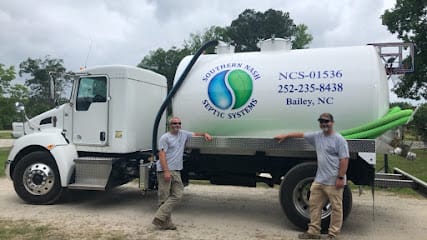
Our directory connects Bailey area residents with Southern Nash Septic Systems LLC, a provider offering comprehensive services tailored to coastal plain septic challenges:
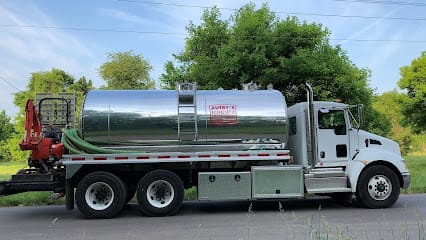
- Septic Tank Pumping & Maintenance: Complete removal of accumulated sludge and scum—the core service that prevents solids from escaping into drainfields and causing biomat buildup in sandy soil. Recommended every 3-4 years for Nash County properties, more frequently for larger households or systems showing stress. Includes inspection of tank integrity, baffles, and outlet filters when present. Proper pumping means removing solids from the tank bottom, not just pumping liquid off the top as some cut-rate operators do.
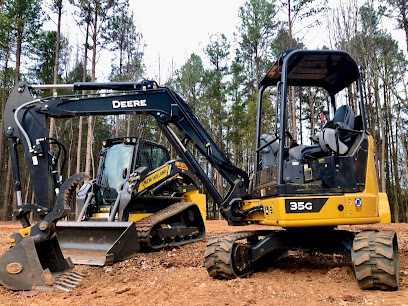
- Septic System Installation: Complete new system installation for properties without existing service or replacing failed systems. Includes proper sizing for household occupancy, soil testing to verify sandy loam can support standard drainfields or if engineered solutions are needed, and installation that meets Nash County Environmental Health requirements. Experience with coastal plain soil means understanding how sandy loam behaves and designing systems that will function reliably long-term.
- Drainfield Repair & Replacement: Diagnosis and repair of failing drainfields—determining whether problems stem from biomat buildup, system age, poor maintenance, or design inadequacies. Solutions range from rest and rehabilitation (for fields with minor clogging) to complete replacement when biomat has sealed sandy soil beyond recovery. Realistic assessment prevents wasting money on repairs that won’t work when replacement is inevitable.
- Real Estate Transfer Inspections: Comprehensive pre-sale inspections required for many North Carolina property transfers. Includes septic tank pumping, structural assessment of tank integrity, checking baffles and components, observing drainfield for failure signs, and detailed reporting of system condition. Protects buyers from purchasing properties with undisclosed septic problems and gives sellers documentation for fair transactions.
- Routine Maintenance Programs: Scheduled service reminders ensuring homeowners never miss a pumping—critical in sandy soil where neglected maintenance leads quickly to expensive drainfield failures. Southern Nash Septic tracks service history and contacts customers when maintenance is due, preventing the “out of sight, out of mind” neglect that causes system failures in coastal plain soil.
- System Repairs & Component Replacement: Repair of damaged components—replacing cracked lids, fixing broken baffles, installing risers for easier access, or repairing inlet/outlet pipes. These repairs prevent small problems from becoming system failures and extend the service life of aging systems common on Nash County farm properties.
Why Bailey & Nash County Trust Southern Nash Septic (4.8 Stars)
Local Roots & Rural Understanding: Southern Nash Septic isn’t a regional franchise applying generic solutions—they’re a local operation based in Bailey, serving the communities where they live. They understand farm properties where septic systems serve multiple structures, older homes with vintage systems needing careful assessment, and rural families managing household budgets where unexpected septic expenses create real hardship. This local connection means treating every property with the respect they’d want for their own—no cutting corners, no unnecessary upselling, just honest service at fair prices.
Coastal Plain Expertise: Years of working in Nash County’s sandy loam soil means understanding how these systems behave differently than Piedmont clay systems. They know biomat forms quickly in sandy soil when solids escape, understand how water tables affect low-lying properties, and recognize when old farm systems are undersized for current demands. This regional knowledge prevents the misdiagnosis and wasted repairs that happen when contractors unfamiliar with coastal plain conditions apply Piedmont solutions to sandy soil problems.
Complete Service Capability: From pumping existing systems to installing new ones to repairing failing drainfields, Southern Nash Septic handles the full spectrum of septic needs. This eliminates the coordination hassles of working with separate companies for pumping, installation, and repairs—especially valuable for farm properties or older homes where multiple issues often exist simultaneously. One trusted provider handles everything, with service history and property knowledge maintained across all interactions.
Dependability That Matters: Their 4.8-star reputation reflects consistent reliability—showing up when scheduled (surprisingly rare in the service industry), completing work as promised, and charging the quoted price without surprise fees. In rural communities where word travels fast and reputation is everything, this dependability has built a customer base that recommends them to neighbors and returns for decades of service.
Fair Pricing for Rural Families: They understand Nash County economics—farm incomes that fluctuate with crop prices, families on fixed incomes, and households where septic service competes with other essential expenses. Their pricing reflects serving neighbors rather than maximizing profit from crisis situations. Routine pumping costs $350-$450 for standard residential tanks—competitive pricing without the inflated “emergency rates” some operators charge when homeowners have no alternatives.
Serving Hornes Church Road to Wilson County
Southern Nash Septic’s West Hornes Church Road location in Bailey positions them to serve southern Nash County’s rural communities. Middlesex represents traditional farming country where properties have older systems and where septic service needs to understand agricultural property layouts. Spring Hope’s mix of farm properties and residential areas creates diverse system types and service needs.
Sims and the surrounding rural areas embody Nash County character—properties on larger lots, mature trees, and homes that might have started as small farmhouses but expanded over generations. These properties often have septic challenges that require experience with aging systems and realistic assessment of whether repairs are worthwhile or replacement is inevitable.
Wilson County line properties benefit from Southern Nash Septic’s willingness to serve border areas that some contractors ignore, viewing them as too far from base operations. Whether you’re managing a farm property in Middlesex, maintaining an older home in Sims, preparing to sell a Spring Hope property and need inspection, or dealing with a system that’s showing signs of stress, you’re working with a local operation that understands Nash County septic systems because they’ve been maintaining them for years.
Overdue for Pumping or Planning a New System?
Call Southern Nash Septic Systems LLC at (252) 235-8438 or Request Service Online for septic pumping, system installation, drainfield repair, or real estate inspections throughout Nash County.
In sandy soil territory where neglected maintenance leads quickly to expensive failures, your septic system needs professional service from a provider who understands coastal plain conditions. Our vetted provider delivers the dependability and local knowledge that earned them a 4.8-star reputation—treating your property with the respect rural communities expect and deserve.