Mooresville’s Water System Profile: Lake Norman’s Comprehensive Service Needs
The Lake Norman region’s position as Charlotte’s premier northern suburb and recreational water destination creates diverse and often interconnected water system challenges requiring contractors capable of addressing plumbing, septic, and water damage restoration through integrated response. Communities like Mooresville, Davidson, Troutman, and lakefront areas combine suburban density, rural septic dependence, aging housing stock, and high-value properties where water-related problems demand both immediate emergency response and comprehensive long-term solutions.
- Integrated Problem Nature: Water system failures rarely exist in isolation—a burst pipe creates both immediate plumbing emergency and secondary water damage requiring restoration, septic system backups may originate in household plumbing clogs or actual tank/drainfield failures, and water heater leaks combine equipment replacement needs with floor/wall drying to prevent mold growth. Coordinating separate plumbing, septic, and restoration contractors extends response times, creates communication gaps, and complicates insurance claims.
- High Water Pressure Challenges: Lake Norman area municipal water (supplied by Mooresville and surrounding utilities) often delivers 80-100+ PSI pressure—well above the 60-80 PSI ideal range—stressing fixtures, creating water hammer (banging pipes), accelerating appliance wear, and increasing leak frequency. Many homes lack pressure-reducing valves that would protect plumbing systems.
- Polybutylene Pipe Crisis: Developments built 1978-1995 throughout Mooresville, Davidson, and Lake Norman contain polybutylene (PB) water supply pipes that are failing region-wide, causing sudden leaks behind walls, under slabs, and in crawl spaces that demand both plumbing repair and water damage restoration—often on emergency timelines when failures flood homes.
- Red Clay Septic Challenges: Piedmont clay soil underlying most of Iredell County drains slowly (60-120 minutes per inch percolation rates), requiring larger septic drainfields, more frequent maintenance, and careful attention to household water usage patterns that can overwhelm absorption capacity, particularly during wet seasons when clay stays saturated.
- Lake Norman Environmental Standards: Waterfront properties face enhanced septic inspection requirements, watershed protection regulations affecting system design and maintenance, and heightened scrutiny during real estate transactions where lake proximity increases both property values and regulatory oversight of wastewater management.
- Mixed Property Types: The region combines permanent residences, weekend lake homes, rental properties serving Davidson College students, luxury estates on The Point peninsula, and rural farms in Troutman—creating diverse service needs from routine maintenance to complex emergency response across vastly different property types and owner expectations.
Common Integrated Water System Issues in the Lake Norman Region
Emergency Water Damage: When Leaks Become Disasters
The most urgent situations facing Mooresville and Lake Norman homeowners occur when plumbing failures create not just immediate water loss but secondary property damage requiring rapid restoration intervention. Common scenarios include burst supply lines flooding homes (particularly polybutylene failures behind walls or under slabs that release hundreds of gallons before homeowners discover problems), water heater ruptures flooding basements or crawl spaces with 40-80 gallons of water plus continuous supply line flow until shut off, washing machine supply line failures during unattended cycles (a leading insurance claim cause as braided hoses eventually fail from constant pressure), toilet supply line or wax ring failures creating ongoing leaks that saturate subfloors and ceiling materials below, and slab leaks where pressurized supply lines beneath concrete foundations develop pinhole leaks that erode soil and create voids before symptoms become obvious. These situations demand integrated response—immediate plumbing repair to stop water flow combined with rapid extraction, drying, and dehumidification to prevent mold growth (which begins within 24-48 hours in North Carolina’s humid climate). Total Plumbing’s combined plumbing and restoration capabilities eliminate the coordination delays that occur when homeowners must first call plumbers to fix leaks, then separately arrange restoration contractors—often discovering during the interim that water damage has progressed from manageable to catastrophic, insurance coverage has been compromised by delayed mitigation, and mold growth has begun requiring expensive remediation beyond simple drying. A single service call handles both emergency plumbing repair and complete water damage restoration, protecting both the immediate plumbing system and the long-term structural integrity and habitability of the home.
Polybutylene Pipe Replacement: The Region-Wide Crisis
Thousands of homes throughout Mooresville, Davidson, and Lake Norman developments built between 1978-1995 contain polybutylene (PB) water supply pipes that are failing systematically as chlorine and chloramines in municipal water cause the plastic to become brittle and crack. Unlike copper or PEX systems that provide decades of reliable service, PB pipes develop sudden failures—often behind walls, beneath slabs, or in crawl spaces where leaks go undetected until water damage becomes severe. Symptoms include unexplained water bills (hidden leaks waste thousands of gallons monthly), water stains on ceilings or walls (indicating leaks in overhead or concealed pipes), reduced water pressure throughout the house (as leaks divert flow), damp or musty odors (suggesting concealed moisture accumulation), and in worst cases, catastrophic failures flooding entire levels of homes when main lines rupture. The challenge for Lake Norman homeowners is that PB failures are progressive—once one section fails, others are likely compromised and will fail soon, making piecemeal repairs economically questionable compared to complete repiping that eliminates the problem permanently. Total Plumbing’s integrated approach handles both the plumbing replacement (removing all PB pipes and installing modern PEX or copper systems throughout the home) and the water damage restoration that follows failures (drying walls, replacing damaged drywall, remediating mold if growth has begun)—providing comprehensive solutions that address both the immediate leak and the underlying system vulnerability through a single coordinated project with unified timelines, consistent quality standards, and simplified insurance claim processes.
High Water Pressure Damage: The Silent System Killer
Municipal water pressure throughout the Lake Norman region frequently exceeds 80 PSI—with some areas experiencing 90-100+ PSI—creating chronic stress on household plumbing systems designed for 60-80 PSI maximum. High pressure manifests through several destructive mechanisms: water hammer (loud banging sounds when faucets close quickly as pressure waves slam through pipes, eventually causing joint failures and leaks), accelerated fixture wear (faucet cartridges, toilet fill valves, and washing machine valves fail prematurely from excessive force), appliance damage (dishwashers, ice makers, and water heaters experience shortened lifespans and increased leak frequency), and catastrophic failures when the cumulative stress causes supply lines, connections, or fixture bodies to suddenly rupture. Many Mooresville homeowners don’t realize their water pressure is excessive until failures begin occurring—a toilet fill valve that won’t shut off, a faucet that drips constantly despite new washers, or a water heater that leaks from excessive temperature-pressure relief valve discharge. The solution involves pressure-reducing valve (PRV) installation at the main water line entry point, reducing household pressure to the 50-60 PSI range that protects plumbing while maintaining adequate flow for showers and appliances. Total Plumbing’s diagnostic expertise identifies high pressure as the root cause of recurring fixture failures, installs appropriately sized PRVs with bypass capabilities for servicing, and can simultaneously address the fixture damage and water leaks that resulted from years of excessive pressure—providing both immediate repairs and long-term system protection through comprehensive intervention.
Septic System Failures in Clay Soil: Lake Norman’s Hidden Challenge
Properties throughout Troutman, rural Mooresville, and areas surrounding Lake Norman without municipal sewer access rely on septic systems facing the dual challenges of red Piedmont clay’s slow drainage and high water tables near the lake. Clay soil’s 60-120 minute per inch percolation rate means drainfields must be significantly larger than those in sandy coastal regions, and even properly sized systems can become overwhelmed during wet springs when clay remains saturated from rainfall and seasonal water table rise. Symptoms progress from subtle (drains that empty slightly slower than normal, occasional gurgling sounds from fixtures) to obvious (sewage odors in the yard, standing water over the drainfield, complete backup into the house through lowest fixtures) as tanks fill beyond capacity, solids escape into drainfields creating biomat buildup that clogs soil pores, or seasonal saturation prevents adequate effluent absorption. The complexity for Lake Norman homeowners is distinguishing plumbing-level problems (clogged drains, full tanks requiring pumping, failed effluent filters) from fundamental drainfield failures requiring expensive replacement—diagnosis that demands expertise in both household plumbing and septic system operation. Total Plumbing’s integrated capabilities address problems at any point in the wastewater pathway: clearing household drain clogs that mimic septic issues, pumping full tanks before backups occur, replacing failed components like effluent filters and baffles, evaluating drainfield saturation to determine repair versus replacement necessity, and handling any water damage that results from backups—providing comprehensive diagnosis and solution rather than forcing homeowners to coordinate between plumbers, septic contractors, and restoration companies when problems span multiple systems.
Water Heater Failures: Emergency and Upgrade
Water heater problems create both immediate crises (complete loss of hot water or catastrophic tank ruptures flooding homes) and long-term inefficiency concerns (aging units that work but waste energy and provide inadequate capacity for household needs). Traditional tank-style water heaters throughout Davidson and Mooresville typically last 8-12 years before internal corrosion causes leaks or heating elements fail, with failures often discovered during cold winter mornings when families wake to discover no hot water for showers. Tank ruptures—while less common than gradual failures—create genuine emergencies as 40-80 gallon capacity plus continued supply line inflow floods basements, crawl spaces, or living areas with water that requires immediate extraction and drying. Beyond emergency replacement, many Lake Norman homeowners face capacity inadequacy as families grow or bathroom remodels add large soaking tubs and multi-head showers that exhaust traditional tank reserves, leaving later household members with cold showers despite “adequate” sized equipment. Total Plumbing’s comprehensive approach addresses both emergency replacements (rapid response with common tank sizes stocked for same-day installation) and planned upgrades to tankless systems that provide unlimited hot water while reducing energy consumption by 24-34%—and critically, handles water damage restoration when tank failures flood properties, eliminating the gap between emergency plumbing repair and subsequent restoration that allows mold growth and structural damage to progress during coordination delays.
Slab Leaks: The Concealed Destruction
Homes built on concrete slab foundations throughout Lake Norman developments—particularly those constructed during the 1970s-1990s building boom—contain pressurized water supply lines embedded beneath slabs that eventually develop leaks from corrosion, settling stress, or manufacturing defects. Slab leaks are particularly insidious because symptoms appear gradually: unexplained water bill increases (hidden leaks waste thousands of gallons monthly before detection), warm or cold spots on floors (indicating hot or cold water line leaks beneath), sound of running water when all fixtures are off (water flowing through the leak continuously), foundation cracks or upheaval (as escaping water erodes soil beneath slabs), and in severe cases, visible water infiltration at floor edges or through cracks. Detection requires specialized equipment (electronic listening devices, infrared cameras, pressure testing) to pinpoint leak locations without destructive exploratory demolition, followed by access methods ranging from spot excavation through floors to complete repiping that routes new lines through attics or crawl spaces to abandon failed slab lines entirely. Total Plumbing’s integrated expertise handles the complete slab leak solution: professional detection locating leaks without unnecessary floor demolition, repair options from targeted fixes to complete repiping depending on home age and extent of system deterioration, concrete repair and flooring restoration after access work, and comprehensive water damage restoration addressing the hidden moisture accumulation that occurred during weeks or months before leak detection—providing turnkey solutions that take homeowners from problem discovery through complete restoration without coordinating multiple specialty contractors.
Septic Inspections for Lake Properties: Enhanced Standards
Real estate transactions involving Lake Norman waterfront or near-waterfront properties in The Point, Langtree, and throughout the lake’s 520-mile shoreline face enhanced septic inspection requirements beyond standard Iredell County protocols. These properties’ proximity to North Carolina’s premier recreational water resource triggers additional scrutiny regarding system adequacy, maintenance history, environmental compliance, and potential contamination risks. Enhanced inspections evaluate not just basic functionality (tank capacity, pumping history, drainfield condition) but also setback compliance from the lake (systems must be positioned adequate distances from shorelines), watershed protection measures (some areas require advanced treatment systems beyond conventional drainfields), and overall environmental risk assessment (failed systems near the lake threaten water quality affecting thousands of downstream users and the regional recreational economy). Common inspection failures include systems undersized for home bedroom counts (properties expanded over decades without corresponding septic upgrades), drainfields showing saturation or failure signs (particularly problematic near the lake where water tables sit higher), missing or inadequate setbacks from the shoreline (older systems installed before current regulations), and lack of maintenance documentation proving responsible ownership. Total Plumbing’s experience with lakefront properties includes both routine septic pumping and maintenance that prevents inspection failures, and comprehensive pre-sale inspection services that identify problems early in real estate processes—allowing sellers to address deficiencies proactively rather than facing crisis corrections during compressed closing timelines, and helping buyers understand true system conditions before finalizing purchases that might require immediate expensive repairs.
Total Solutions for Lake Norman’s Water System Challenges
Our directory connects Lake Norman region homeowners with Total Plumbing Mooresville, a comprehensive service provider that has earned 4.0 stars across 238 reviews by delivering the integrated plumbing, septic, and water damage restoration capabilities that modern homeowners need. Their “one-call solution” approach eliminates coordination delays, simplifies insurance claims, and ensures consistent quality across all aspects of water system emergencies and maintenance.
- Emergency Plumbing Services (24/7): Round-the-clock availability for critical plumbing failures including burst pipes, water heater ruptures, sewer backups, fixture failures, and all urgent situations requiring immediate professional response. Services include rapid diagnosis, temporary repairs when permanent solutions require extended timelines, water shut-off and damage control, and coordination with restoration teams for integrated emergency response. For Mooresville and Lake Norman homeowners, this 24/7 availability provides essential protection against the property damage and insurance complications that escalate when plumbing emergencies go unaddressed during nights, weekends, or holidays when many contractors are unavailable.
- Water Damage Restoration: Comprehensive drying, dehumidification, and structural restoration services following plumbing failures, addressing everything from minor fixture leaks to catastrophic flooding from burst mains or water heater ruptures. Services include emergency water extraction (removing standing water within hours to prevent progressive damage), structural drying using commercial-grade dehumidifiers and air movers (reducing moisture content to safe levels that prevent mold growth), moisture monitoring throughout the drying process (documenting progress for insurance claims and ensuring complete restoration), mold prevention and remediation when growth has begun, flooring repair or replacement for water-damaged materials, drywall and ceiling repair following leak access or water damage, and complete documentation for insurance claims. Total Plumbing’s integrated approach means the same company that repairs the burst pipe immediately transitions to water damage restoration—eliminating the dangerous gap between emergency repair and restoration that allows mold growth to begin and secondary damage to progress.
- Polybutylene Pipe Replacement: Complete repiping services for homes containing failing PB water supply systems, removing all polybutylene pipes and installing modern PEX or copper systems throughout the house. Projects include comprehensive assessment identifying all PB locations (main lines, branch lines, supply tubes), repiping strategy development (routing new lines through attics, crawl spaces, or walls to minimize interior disruption), complete installation of replacement systems with modern materials proven for decades of reliable service, pressure testing to verify leak-free operation, and coordination with any necessary water damage restoration when the repiping project follows PB failure that flooded portions of the home. Services can be completed as planned projects (proactively replacing PB before failures occur) or emergency response (after failures have caused property damage requiring both plumbing repair and restoration).
- Water Heater Repair & Replacement: Expert service for both traditional tank-style and modern tankless water heaters, including emergency replacement when units fail completely (same-day service with common sizes stocked), repair of components like heating elements, thermostats, and pressure relief valves when economically viable, and planned upgrades to high-efficiency tankless systems providing unlimited hot water and 24-34% energy savings. Installation includes proper venting, expansion tank installation where required by code, temperature-pressure relief valve connection, and for tankless systems, gas line sizing verification or electrical service upgrades to ensure adequate fuel supply. When water heater failures flood properties, Total Plumbing Mooresville handles both emergency replacement and complete water damage restoration through integrated response.
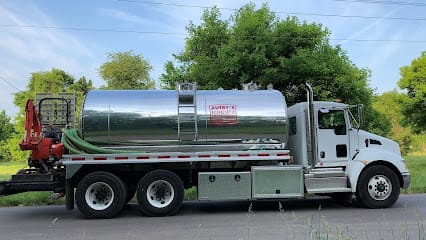
- Septic Tank Pumping & Maintenance: Comprehensive septic service for properties throughout Troutman, rural Mooresville, and Lake Norman areas without municipal sewer access. Services include routine pumping (recommended every 3-4 years in clay soil conditions—more frequently than the 5-year intervals adequate in sandier regions), effluent filter cleaning or replacement (this critical component requires servicing every 6-12 months but often goes neglected until complete clogging causes backups), tank inspection identifying cracks, deteriorating baffles, or developing problems before they cause failures, and coordination with household plumbing services when septic problems originate in drain clogs or mainline obstructions rather than actual tank/drainfield issues. For Lake Norman waterfront properties, services include enhanced inspections meeting watershed protection standards.
- Pressure-Reducing Valve Installation: Professional installation of PRVs that protect household plumbing systems from the excessive municipal water pressure (80-100+ PSI) common throughout the Lake Norman region. Services include pressure testing at multiple points to verify excessive pressure, appropriately sized PRV selection based on household water demand, installation at main water line entry with bypass capabilities for servicing, downstream pressure adjustment to optimal 50-60 PSI range, and testing to verify consistent pressure regulation. Installation typically completes in 2-4 hours and immediately reduces stress on fixtures, appliances, and supply lines—extending their service life and reducing leak frequency while maintaining adequate flow for household needs.
- Drain Cleaning & Sewer Services: Professional clearing of clogged household drains and main sewer lines, distinguishing between simple fixture-level clogs (hair, grease, soap accumulation) and more serious mainline obstructions (tree root intrusion, collapsed pipes, full septic tanks). Services include cable augering for routine stoppages, hydro-jetting for severe blockages requiring high-pressure water to scour pipe interiors clean, video camera inspections documenting line condition and identifying root causes of recurring problems, and coordination with septic services when drain problems actually originate in full tanks or failed drainfields requiring different intervention than plumbing-level repairs.
- Slab Leak Detection & Repair: Specialized service for the concealed leaks in pressurized water supply lines beneath concrete foundation slabs, using electronic listening devices and infrared thermal imaging to pinpoint leak locations without destructive exploratory demolition. Services include professional detection, repair options ranging from spot fixes (tunneling beneath slabs to access and repair specific leak locations) to complete repiping (routing new supply lines through attics or crawl spaces to abandon failed slab lines), concrete repair following access work, and water damage restoration addressing the hidden moisture accumulation that occurred during the leak period. Total Plumbing’s integrated capabilities provide complete slab leak solutions from initial detection through final restoration.
- Plumbing Remodeling & Upgrades: Professional installation during bathroom and kitchen renovation projects, including fixture replacement, supply line upgrades, drain reconfiguration, gas line installation for ranges and water heaters, and whole-house repiping when aging systems require modernization. Services coordinate with general contractors during renovation projects or provide complete turnkey bathroom/kitchen plumbing upgrades for homeowners managing their own remodels.
- Real Estate Plumbing & Septic Inspections: Comprehensive evaluations for property transactions throughout Davidson, Mooresville, and Lake Norman, documenting both household plumbing condition and septic system functionality (for properties without municipal sewer). Inspections identify active leaks, outdated components like polybutylene pipes requiring replacement, water heater condition and remaining service life, drain line problems, septic tank capacity and pumping needs, drainfield condition, and overall system adequacy for the property. Detailed reports support real estate negotiations and help buyers understand true property conditions before completing purchases.
Contact Total Plumbing Mooresville at (704) 702-6160 or their Mecklenburg Highway location for 24/7 emergency response, integrated plumbing and restoration services, septic maintenance, or comprehensive water system solutions throughout the Lake Norman region.