Anderson’s Red Clay Profile: Why Piedmont Soil Defines Septic Challenges
Anderson County sits in South Carolina’s Piedmont region, where the dominant soil is red Cecil and Pacolet clay—the legacy of ancient weathered granite that gives the Upstate its characteristic rusty hue. This clay is dense, plastic (moldable when wet), and drains extremely slowly with percolation rates of 60-120 minutes per inch. For septic systems, this creates three persistent challenges:
- Hydraulic Overload During Wet Seasons: Red clay absorbs water slowly and releases it even more slowly. During Anderson’s wet winters and spring storms (40-50 inches annual rainfall), drainfields become saturated. Effluent has nowhere to percolate. Tanks fill rapidly. Homeowners see sewage backing up into fixtures, standing water over drainfields, or toilets that won’t flush properly. This isn’t always system failure—often it’s temporary saturation from clay soil overwhelmed by rain. But repeated overload cycles accelerate biomat formation and shorten drainfield life.
- Accelerated Biomat Buildup: The biomat is the biological slime layer that forms where effluent meets soil in the drainfield. In well-drained sandy soils, biomat develops slowly and remains thin. In Anderson’s red clay, biomat forms rapidly and thickens aggressively because slow percolation keeps the interface constantly saturated. Once biomat becomes too thick (typically 1-2 inches), it seals the soil completely—preventing any effluent absorption. The drainfield has failed permanently, requiring complete replacement at $10,000-$18,000.
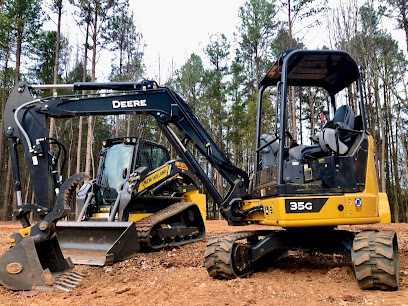
- Difficult Excavation and Repair: When drainfields fail in red clay, replacement is labor-intensive. Clay is heavy, sticky, and difficult to excavate—requiring larger equipment and more time than sandy or loamy soils. Trenches must be deeper (4-5 feet) to ensure adequate unsaturated soil depth below the drainfield. Clay removed during excavation can’t be used as backfill (it’s too dense), so imported gravel and fill material add cost. What would be a $10,000 drainfield replacement in sandy soil becomes $15,000-$18,000 in Anderson’s clay.
If you’re in Anderson’s newer subdivisions (Homeland Park, Centerville developments), your system likely has engineered plans accounting for clay’s slow percolation. If you’re in older neighborhoods or rural properties near Belton or Pendleton, your system may predate modern clay-soil design standards—and may be operating on borrowed time.
Common Septic Issues in Anderson & The Tri-Cities
1. Red Clay Hydraulic Overload: The Winter Backup Cycle
The most frequent service call Tri-City Septic LLC receives during wet seasons is hydraulic overload from saturated drainfields. Homeowners notice slow drains throughout the house, toilets gurgling when water runs elsewhere, sewage backing up into the lowest fixture (often a basement toilet or tub), or standing water over the drainfield area. This typically occurs after 2-3 days of steady rain when the clay soil is completely saturated.
In sandy soils, rain percolates through quickly and drainfields recover within hours. In Anderson’s red clay, soil stays saturated for days or weeks after rain stops. During this period, the drainfield has no absorption capacity—effluent backs up into the tank, then into the house. Homeowners who don’t understand clay soil behavior panic, assuming their system has failed. Often, it hasn’t—it’s just temporarily overwhelmed.
Tri-City Septic LLC diagnoses this by inspecting the drainfield during wet weather (is water standing over the field or just in low spots?), measuring sludge levels in the tank (is it overdue for pumping?), and checking effluent filters (are they clogged, preventing proper flow?). If the drainfield recovers once rain stops and soil dries out, the system is functional—just challenged by clay’s slow drainage. Solutions include: water conservation during wet weather (shorter showers, fewer laundry loads), pumping the tank more frequently (every 2-3 years instead of 3-5), or upgrading to a low-pressure dosing system that distributes effluent more evenly.
If standing water persists even during dry months, the drainfield has likely failed due to biomat sealing—and replacement is necessary.
2. Biomat Failure: When Clay Kills Drainfields Early
Biomat buildup is the primary cause of drainfield failure in Anderson County’s red clay. The biomat layer forms naturally where effluent meets soil, creating a living filter that treats wastewater biologically. In moderate amounts, this is beneficial. But in slow-draining clay, the biomat thickens rapidly because the soil-effluent interface stays constantly wet. Within 10-15 years (compared to 20-30 years in sandy soil), the biomat becomes so thick it prevents any percolation. The drainfield is permanently sealed.
Symptoms include: slow drains that never fully recover (not just during wet weather), sewage odors over the drainfield, wet spots or surfacing effluent even in dry months, and lush grass growth over the field (from nutrient-rich effluent surfacing). A professional inspection reveals thick biomat coating lateral pipes and the trench bottom—visible as black, slimy material when trenches are excavated.
There is no repair for biomat failure in red clay. The drainfield must be replaced entirely. This requires: excavating failed trenches, installing new laterals in virgin soil (often requiring expansion of the drainfield footprint), importing gravel bedding material (red clay can’t be used), and ensuring proper depth (4-5 feet) for adequate unsaturated soil treatment. Cost in Anderson County is $12,000-$18,000 depending on system size and accessibility.
Prevention is the only solution: pump tanks every 2-3 years (not the standard 3-5), clean effluent filters every 6-12 months, avoid garbage disposals (which increase solids load), and minimize water use during wet seasons to reduce hydraulic stress on the drainfield.
3. Lake Hartwell Properties: Enhanced Regulations and Inspections
Anderson County’s shoreline properties on Lake Hartwell face additional septic scrutiny. The lake is a critical drinking water source, recreation destination, and economic driver—and septic failures that discharge untreated wastewater directly threaten water quality. South Carolina DHEC (Department of Health and Environmental Control) enforces strict regulations for lakefront systems: minimum 100-foot setback from the high-water mark, enhanced treatment requirements (often requiring aerobic systems or sand filters), and regular inspections.
When buying lakefront property, Tri-City Septic LLC performs comprehensive inspections: locating the system and measuring distance to the lake, verifying system type and treatment level, camera inspection of tank interiors, dye testing to ensure effluent isn’t surfacing near the shoreline, and reviewing permits to confirm compliance with current regulations. Common findings: systems too close to the water (non-compliant with setback rules), outdated conventional gravity systems requiring upgrade to enhanced treatment, or failed drainfields showing signs of effluent reaching the lake.
Non-compliant lakefront systems must be upgraded or replaced before property transfers can be completed. Cost ranges from $15,000 (installing aerobic treatment unit in existing tank location) to $30,000+ (relocating entire system to meet setback requirements and installing mound system if soil depth is inadequate). These discoveries kill real estate deals or force significant price renegotiation.
For lakefront homeowners, proactive maintenance is critical: pump every 2 years (not 3-5), inspect annually for any signs of surfacing effluent, and monitor vegetation near the drainfield (excessive growth indicates nutrient leaching). Protecting Lake Hartwell isn’t just environmental responsibility—it’s a legal requirement with significant financial consequences for non-compliance.
4. Tree Root Intrusion in Piedmont Properties
Anderson County’s mature hardwood forests—oaks, poplars, sweetgums, and hickories—create persistent root intrusion problems. Red clay holds moisture year-round, attracting roots to septic drainfields as reliable water sources. Unlike sandy soils where roots enter gradually, clay’s density forces roots to exploit any opening aggressively. Once inside lateral pipes, roots form massive blockages—sometimes filling 80-90% of the pipe diameter.
Homeowners notice recurring clogs in the same drain, sewage backing up during heavy water use (when roots swell with absorbed moisture), or toilets gurgling when showers run. Camera inspections reveal dense root mats inside the tank’s outlet baffle or throughout drainfield laterals. These aren’t small roots—they’re thick, fibrous masses that hydro-jetting can clear temporarily but which regrow within 6-18 months.
Tri-City Septic LLC uses high-pressure hydro-jetting (3,000-4,000 PSI) to scour roots from pipes. This provides temporary relief but doesn’t prevent regrowth. Permanent solutions include: cutting down offending trees (often not desirable or feasible), installing root barriers during drainfield replacement (copper sheeting or physical barriers), or using preventive chemical treatments (copper sulfate flushes every 12-18 months). For properties with extensive mature trees, relocation of the drainfield away from root zones is sometimes the only long-term solution.
5. Real Estate Septic Inspections: South Carolina’s CL-100 Requirement
South Carolina requires septic inspections for most property transfers, documented through CL-100 forms (official septic inspection reports). Tri-City Septic LLC performs these inspections for buyers and sellers throughout Anderson County, evaluating: tank condition and capacity, sludge and scum levels, baffle integrity, effluent filter condition, drainfield functionality (through dye testing), compliance with current codes (especially for lakefront properties), and identification of any immediate repair needs.
Common inspection findings in Anderson County: tanks not pumped in 5-10 years (sludge at 60-80% capacity), missing or clogged effluent filters, collapsed inlet/outlet baffles, drainfields showing signs of biomat failure or surfacing effluent, tree root intrusion in laterals, and lakefront systems non-compliant with setback or treatment requirements. Repair cost estimates range from $300 (pump-out and filter cleaning) to $20,000+ (full drainfield replacement in red clay with enhanced treatment for lakefront compliance).
Sellers benefit from pre-listing inspections that identify problems early, allowing strategic repairs before marketing. Buyers use inspection reports to negotiate price reductions or demand repairs as closing conditions. In Anderson’s competitive real estate market, septic condition often determines deal viability.
6. Emergency Service: When Systems Fail During Holidays
Septic emergencies don’t wait for convenient times. Thanksgiving dinner with 15 guests overloads the system. Christmas week with visiting family causes backups. New Year’s parties push water use beyond system capacity. Tri-City Septic LLC provides emergency service throughout Anderson County—pumping flooded tanks, clearing clogged filters, diagnosing sudden backups, and providing temporary solutions (water conservation guidance, portable toilets if needed) until permanent repairs can be scheduled.
The most common holiday emergency: hydraulic overload from excessive water use combined with full tanks. A family that normally uses 200 gallons per day suddenly uses 500+ gallons with guests doing laundry, taking long showers, and running dishwashers constantly. If the tank is already 60-70% full (overdue for pumping), this pushes it over capacity. Effluent backs up into the house.
Emergency service includes: immediate tank pumping to restore capacity, filter cleaning to restore flow, inspection for damage or clogs, and education on managing water use during high-occupancy periods. For homeowners hosting frequent guests, Tri-City recommends pre-holiday pump-outs (even if not technically “due”) and installing water-conserving fixtures to reduce system stress.
Complete Septic Solutions for Anderson County
Our directory connects you with Tri-City Septic LLC because they deliver comprehensive wastewater management—not just pumping, but the full spectrum of services Anderson County properties require:
- Septic Tank Pumping: Thorough pump-outs removing all sludge and scum layers, not just liquid. Services include effluent filter cleaning, baffle inspection, leak detection, and drainfield visual assessment. In Anderson’s red clay, recommended pumping frequency is every 2-3 years for standard households (not the generic 3-5 year interval). High-use homes, properties with garbage disposals, or lakefront properties under enhanced scrutiny should pump every 18-24 months.
- Real Estate Septic Inspections (CL-100): Official inspections required for South Carolina property transfers. Comprehensive evaluations include camera inspection of tank interiors, sludge level measurement, dye testing for drainfield function, compliance verification (especially for Lake Hartwell properties), baffle and filter inspection, and written reports documenting findings with repair cost estimates. Critical for buyers making informed decisions and sellers preparing properties for market.
- Drainfield Repair and Replacement: When biomat failure or hydraulic overload causes permanent drainfield damage, Tri-City Septic LLC evaluates repair viability versus full replacement. Minor issues (single failed lateral, clogged distribution box) cost $2,000-$5,000. Complete drainfield replacement in Anderson’s red clay costs $12,000-$18,000 including excavation, imported fill material, new laterals, and proper depth installation. Enhanced treatment systems (required for some lakefront properties) add $5,000-$10,000.
- Lakefront Property Maintenance: Specialized service for Lake Hartwell properties requiring enhanced care. Services include annual inspections documenting compliance with setback and treatment regulations, more frequent pumping schedules (every 2 years), vegetation monitoring for nutrient leaching signs, and coordination with DHEC for permit compliance. Protects property owners from regulatory violations and preserves lake water quality.
- Effluent Filter Installation and Maintenance: The effluent filter is the last defense against solids entering the drainfield. In Anderson’s red clay where biomat forms rapidly, clogged filters cause immediate backups. Tri-City Septic LLC cleans filters during every pump-out and recommends standalone cleaning every 6-12 months for high-use properties. If filters are missing (common in pre-1990s systems), new installation costs $200-$400 and prevents thousands in drainfield damage.
- Root Removal and Hydro-Jetting: High-pressure water cleaning (3,000-4,000 PSI) to clear root intrusions from drainfield laterals and tank baffles. Provides 6-18 months of relief before regrowth. Follow-up preventive treatment (copper sulfate or foaming root killers) extends the interval. For severe cases, recommendations for drainfield relocation or root barrier installation during replacement.
- Emergency Service: Responsive service for septic emergencies—sewage backups, flooded tanks, system failures during holidays or high-occupancy periods. Available throughout Anderson County with same-day or next-day service in most cases. Provides immediate solutions (pumping, filter cleaning) and schedules permanent repairs as needed.
Why Anderson County Trusts Tri-City Septic LLC (5.0 Stars)
Flawless Reputation: Earned by Doing It Right Every Time Tri-City Septic’s perfect 5.0-star rating isn’t luck—it’s the result of unwavering commitment to quality. Every pump-out is thorough (no shortcuts). Every inspection is comprehensive (no overlooked details). Every repair is done correctly the first time (no callbacks for sloppy work). Every customer interaction is professional, respectful, and educational. In a business where “good enough” is common, Tri-City Septic LLC sets a higher standard—and customers notice.
Red Clay Expertise: We Understand Anderson’s Soil Generic septic companies don’t understand Piedmont clay. They recommend standard 3-5 year pumping schedules that cause failures in Anderson’s slow-draining soil. They don’t account for biomat acceleration in clay. They don’t recognize the difference between temporary hydraulic overload and permanent drainfield failure. Tri-City Septic LLC has worked in Anderson County’s red clay for years—they know how systems behave here, why they fail, and how to prevent premature replacement through proper maintenance.
Lake Hartwell Stewardship: Protecting Our Water Lake Hartwell defines the Tri-City region—providing drinking water, recreation, property values, and quality of life. Tri-City Septic LLC treats lakefront septic service as environmental stewardship, not just wastewater management. They understand DHEC regulations, coordinate compliance inspections, educate property owners on lake protection responsibilities, and report potential contamination issues promptly. Every lakefront pump-out is performed with awareness that mistakes contaminate water affecting thousands of people.
Professional Service and Customer Education: Tri-City Septic LLC doesn’t just pump your tank and leave—they educate you on system care. They explain sludge levels, show you effluent filters, demonstrate proper maintenance, and recommend schedules based on your household size and water use. They answer questions patiently and provide honest recommendations without upselling unnecessary services. Customers appreciate contractors who treat them as partners in system care rather than sources of revenue.
Regional Coverage Across the Tri-Cities: From Cloverhill Drive in Anderson, Tri-City Septic LLC serves the entire Tri-City region: Anderson, Homeland Park, Centerville, Belton, Pendleton, Williamston, Powdersville, and Lake Hartwell communities. This regional coverage means contractors who understand the full spectrum of Anderson County conditions—from urban subdivisions to rural farmland to lakefront estates. One company handles the complete market’s septic needs.
Ready for 5-Star Septic Service in Anderson County?
Contact Tri-City Septic LLC at (864) 760-3950 or request service through our directory. Whether you’re maintaining a home in Anderson, buying lakefront property on Lake Hartwell, managing rentals in Homeland Park, servicing a rural property near Belton, or facing emergency backup in Centerville, you’re connected with professionals who deliver perfection in every aspect of septic care.
Don’t settle for contractors who don’t understand red clay or who treat Lake Hartwell properties like any other septic job. Don’t risk drainfield failure from inadequate maintenance or environmental violations from non-compliant systems. Find the 5-star professionals who do it right the first time—protecting your property, your investment, and the lake we all depend on.