Concord's Soil Profile: Why Cabarrus County Red Clay Changes Everything
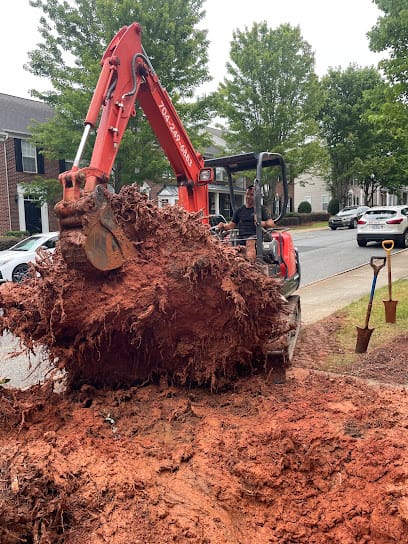
The Cecil and Pacolet clay series that define Cabarrus County are dense, iron-rich Piedmont soils that drain slowly and hold moisture longer than sandy soils. In Concord's rapidly developing landscape, this creates specific challenges for both older gravity systems and modern chamber installations.
- Slow Percolation Rates: Cabarrus County's red clay drains at 70-110 minutes per inch—significantly slower than the sandy soils found in eastern North Carolina. This means drainfields must be larger, and hydraulic overload occurs quickly during Concord's heavy spring and summer thunderstorms. Properties near Rocky River or in low-lying areas experience even slower drainage as water tables rise, creating temporary saturation conditions where drainfields cannot function.
- Biomat Acceleration in Clay: The fine clay particles in Cabarrus soil bond with organic matter from septic effluent, forming a biological mat (biomat) that clogs drainfield laterals. In clay soil, biomat develops 2-3 times faster than in sandy soil. This process is accelerated in Concord's newer chamber systems where effluent contacts soil directly through plastic arches—when effluent filters aren't cleaned regularly, excessive solids reach chambers and biomat forms within years instead of decades.
- Chamber System Prevalence: Most Concord subdivisions built since 2010—including Moss Creek, Afton Village, Poplar Tent, and developments along Bruton Smith Blvd—use plastic chamber systems instead of traditional gravel/pipe drainfields. These systems require more rigorous maintenance than older gravity systems, particularly effluent filter cleaning every 6-12 months. Homeowners who skip filter cleaning face chamber clogging and premature system failure.
Common Septic Issues in Concord
1. Effluent Filter Clogs: The "Kidney" Failure in New Subdivisions
The effluent filter—often called "the kidney" of your septic system—sits in the outlet baffle of the tank, trapping remaining solids before they reach the drainfield or chamber system. In Concord's new subdivisions like Moss Creek, Afton Village, and Poplar Tent, builders install modern systems with filters as standard equipment. The critical issue: most homeowners don't know these filters exist or require cleaning every 6-12 months. When filters clog, sewage backs up into the house immediately—within hours, not days. Symptoms include gurgling drains, slow toilets, and sewage odors. In Cabarrus County's clay soil where biomat forms rapidly, clogged filters accelerate chamber system failure by allowing excessive solids to reach the drainfield. Contractors in our network inspect and clean filters during every service call—a $50-$75 service that prevents $500+ emergency calls and protects builder warranties. If you've never heard your contractor mention the filter, you're not getting complete service.
2. Hydraulic Overload Near Rocky River Properties
Hydraulic overload occurs when more water enters the system than Cabarrus County's slow-percolating clay can absorb through the drainfield. Properties near Rocky River—and throughout Concord's low-lying areas—face additional challenges from seasonal high water tables. Symptoms include standing water over the drainfield area (often mistaken for "poor drainage"), sewage odors after heavy rain, or gurgling drains when running washing machines. This is especially common during Concord's spring wet season when saturated clay soil cannot accept additional effluent. The problem accelerates if the septic tank is oversized for the property (common in older downtown systems) or if the effluent filter hasn't been cleaned, further restricting outflow. Clay soil means effluent has nowhere to go during wet periods—it either surfaces in the yard or backs up into the house.
3. Chamber System Biomat Failure
Chamber systems in Moss Creek, Afton Village, and newer Concord subdivisions work differently than traditional gravel drainfields. Effluent flows through plastic arch chambers and contacts soil directly through the chamber bottom and sides. This direct contact means biomat forms faster—especially in Cabarrus clay where fine particles bond easily with organic matter. When effluent filters aren't cleaned regularly (every 6-12 months), excessive solids reach the chambers. These solids accelerate biomat formation on the soil interface. Once biomat thickness exceeds functional limits, chambers stop accepting water and the system fails. Chamber replacement costs $12,000-$18,000, yet regular filter cleaning (costing under $100 annually) prevents 90% of premature failures. Many Concord homeowners don't learn about filter maintenance until their 5-year-old system fails—well before the expected 20-25 year lifespan.
4. Historic Downtown System Age & Deterioration
Concord's historic downtown and older neighborhoods have septic systems installed in the 1960s-1980s with concrete tanks, deteriorating baffles, and undersized drainfields by modern standards. These older systems face multiple challenges: concrete baffles (T-pipes) that break off after 40-50 years, allowing solids to flow directly into drainfields; tanks with no risers requiring excavation for every pump-out; and gravity drainfields sized for 2-3 people that now serve 4-5 person households with modern water usage. While the infrastructure is aging, many downtown systems can be extended 10-15 years through proper maintenance (baffle replacement, riser installation, regular pumping). Contractors in our network provide honest assessments—recommending cost-effective repairs when viable rather than pushing unnecessary replacements.
Complete Septic Solutions for Concord Homeowners
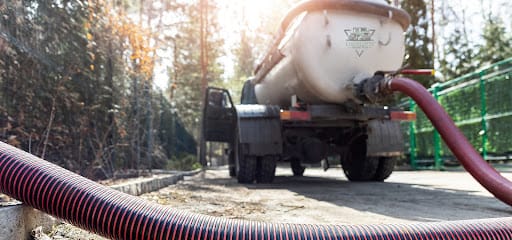
- Septic Tank Pumping & Sludge Removal: In Cabarrus County's red clay, the standard "pump every 3-5 years" rule doesn't apply—most Concord systems need pumping every 2-3 years to prevent biomat acceleration in slow-draining soil. This is especially critical for chamber systems in Moss Creek, Afton Village, and newer subdivisions where biomat forms rapidly. Our vetted contractors remove both liquid waste and the critical sludge layer at the tank bottom—fly-by-night operators pump liquids but skip sludge removal to save time, causing premature drainfield and chamber failures. Proper disposal at Cabarrus County-approved treatment facilities is verified with documentation. Recommended every 2-3 years for Concord properties in clay soil.
- Effluent Filter Cleaning & Replacement: This is the most critical maintenance task for Concord's newer homes in Moss Creek, Afton Village, Poplar Tent, and similar subdivisions. The effluent filter sits in the outlet baffle of your septic tank, trapping solids before they reach chamber systems or drainfields. In Cabarrus clay where biomat forms quickly, filters should be inspected and cleaned every 6-12 months—not just during pump-outs. Signs of a clogged filter include slow drains, gurgling toilets, or sewage odors. Our network contractors include filter service as standard on every call. This $50-$75 service prevents $15,000+ chamber replacements and protects builder warranties that void without documented maintenance. If you bought a new home in Concord after 2010 and haven't had your filter cleaned, schedule service immediately.
- Chamber System Maintenance & Protection: Chamber systems require different maintenance than traditional gravel drainfields. Our contractors provide specialized chamber services including filter cleaning (every 6-12 months), tank pumping (every 2-3 years), and inspections to detect early biomat formation before failure occurs. For properties experiencing slow drainage or sewage odors, camera inspections can assess chamber condition and determine if restoration is possible or replacement is necessary. Preventive maintenance protects the significant investment in Concord's modern septic infrastructure.
- Hydraulic Load Management for Rocky River Properties: If your property is near Rocky River or in low-lying areas of Concord, you may experience seasonal hydraulic overload during wet periods. Solutions include more frequent pumping to increase tank storage capacity, water conservation during wet seasons, and in severe cases, drainfield expansion or additional lateral installation. Our network contractors assess property-specific conditions and recommend practical solutions—not one-size-fits-all approaches that don't address Concord's varied topography and water table conditions.
- Historic System Upgrades & Baffle Replacement: For older downtown Concord properties with 1960s-1980s systems, strategic upgrades can extend system life 10-15 years without full replacement. Baffle replacement ($400-$600) prevents solids from reaching drainfields when concrete T-pipes deteriorate. Riser installation ($300-$600) brings tank access to ground level, eliminating excavation costs for future pump-outs. Effluent filter retrofits ($400-$800) add modern filtration to older systems, protecting drainfields from excessive solids. Our contractors provide honest assessments of when repairs are cost-effective versus when replacement is necessary—no scare tactics or unnecessary spending.
- Real Estate Transfer Inspections: Buying or selling in Concord's hot real estate market? Septic inspections protect both buyers and sellers. North Carolina doesn't require inspections for home sales, but lenders increasingly demand them—especially for properties with chamber systems or older infrastructure. Our network provides comprehensive inspections documenting tank condition, filter status (critical for newer homes), chamber or drainfield condition, compliance with current Cabarrus County codes, and realistic remaining lifespan estimates. Reports are accepted by all major lenders and title companies. For Moss Creek, Afton Village, and newer subdivision buyers: verify filter maintenance documentation to protect builder warranties. For historic downtown sellers: document system condition to prevent deal-killing surprises.
- Emergency Response & Rapid Service: In a busy city like Concord, septic emergencies can't wait. When sewage backs up into your home, you need immediate response. Contractors in our directory provide emergency service with 2-4 hour response times for Concord properties. Available 24/7 for true emergencies—system backups, pump failures, and situations posing immediate health risks. Rapid response prevents water damage, protects health, and minimizes disruption in Concord's fast-paced environment.