Granite Quarry's Profile: Why Shallow Bedrock Changes Everything
Granite Quarry's namesake geology—the granite bedrock that made quarrying the town's founding industry—creates unique septic challenges. Shallow bedrock combined with Rowan County clay soil means standard installation approaches often don't work.
- Shallow Bedrock Constraints: Throughout Granite Quarry, granite bedrock lies 18-48 inches below ground surface—far shallower than the 24-36 inch depths typically needed for drainfield installation. When excavators hit rock during drainfield installation, the entire system design must change. Standard gravity drainfields require adequate soil depth for treatment. When bedrock prevents this, alternatives include shallow drainfield systems (using imported sand over bedrock), pump systems (moving effluent to locations with adequate soil depth), or mound systems (building up rather than digging down). These aren't failures—they're engineering solutions to geological reality. Contractors unfamiliar with bedrock challenges waste time and money attempting standard installations that can't work in Granite Quarry's terrain.
- Pump System Requirements: When gravity and depth won't work due to bedrock, pump systems overcome the rock by moving effluent to suitable locations. A septic pump moves wastewater from the tank to a drainfield area that has adequate soil depth, even if that location is upslope or distant from the house. This allows septic systems to function where bedrock would otherwise make them impossible. However, pump systems require electrical operation, regular maintenance (pumps wear out), and homeowner understanding that alarm activation demands immediate response. For Granite Quarry properties, pumps aren't optional upgrades—they're often the only viable solution to bedrock constraints.
- Clay Soil Maintenance Demands: The Cecil clay soil overlying Granite Quarry's bedrock drains slowly (80-110 minutes per inch). When shallow bedrock limits soil depth available for treatment, the reduced soil volume must work harder. This accelerates biomat formation when maintenance is skipped. Shallow systems in clay soil require more rigorous maintenance (pumping every 2-3 years without exception) than deep systems in sandy soil. Homeowners who treat maintenance casually discover that shallow bedrock systems are less forgiving than conventional installations.
Common Septic Issues in Granite Quarry
1. Hitting Rock: The Granite Quarry Reality
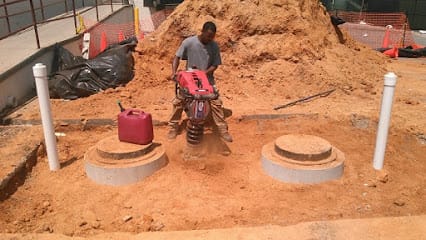
The defining septic challenge in Granite Quarry is hitting rock during installation or repair attempts. Contractors attempting standard drainfield installations at typical 24-36 inch depths strike granite bedrock, making excavation impossible without blasting (expensive and disruptive). When this happens, system design must shift to alternatives: shallow drainfield systems installed at 12-18 inches using imported sand fill over bedrock, pump systems moving effluent to locations with adequate soil depth (possibly upslope or distant from the house), or mound systems building elevated drainfields above bedrock using sand fill. Each solution has cost implications—shallow systems need more frequent maintenance, pump systems require electrical operation and pump replacement every 10-15 years, mound systems need periodic sand replenishment. But all are viable solutions to bedrock that would otherwise make septic impossible. Contractors in our network have geological expertise to anticipate bedrock depth before digging, design appropriate systems for Granite Quarry's constraints, and avoid the expensive trial-and-error that costs homeowners thousands when contractors unfamiliar with bedrock waste time on approaches that can't work.
2. Pump System Maintenance & Alarm Response
Many Granite Quarry properties use pump systems to overcome bedrock constraints by moving effluent to suitable drainfield locations. These systems require understanding that's different from gravity systems. The pump moves wastewater from the tank to the drainfield using electrical power. When pumps fail, sewage backs up into the house within hours. The high water alarm (typically in the garage or basement) activates when sewage in the pump tank rises above normal levels—indicating pump failure, stuck float switch, or electrical issues. This demands immediate attention. For Granite Quarry homeowners with pump systems, annual maintenance (pump inspection, float testing, control panel checks) prevents most failures. Pumps typically last 10-15 years and cost $1,500-$3,000 to replace—a predictable expense that's part of owning a pump-assisted system in bedrock terrain. Understanding this is essential to realistic homeownership expectations in Granite Quarry.
3. Shallow System Accelerated Maintenance
When bedrock forces shallow system installations (drainfields at 12-18 inches rather than standard 24-36 inches), the reduced soil depth means less treatment capacity and faster biomat formation in Rowan County's clay soil. Standard maintenance schedules (pump every 3-5 years) don't apply to shallow systems in clay over bedrock. These systems need pumping every 2-3 years without exception to prevent solids from overwhelming the limited soil volume. Homeowners who don't understand their system is shallow (because they weren't informed during purchase or contractors didn't document depth) follow standard schedules and experience premature failures. Our contractors document system specifications, educate homeowners about shallow system maintenance requirements, and provide realistic schedules that account for Granite Quarry's geological constraints. This prevents the $15,000-$25,000 drainfield replacements that occur when shallow systems are maintained like conventional deep installations.
4. Biomat Acceleration in Limited Soil Depth
In Granite Quarry where shallow bedrock limits soil depth available for treatment, biomat formation accelerates because the same volume of effluent flows through less soil. In conventional 36-inch deep drainfields, biomat develops slowly over decades. In shallow 18-inch systems over bedrock, biomat can compromise function within 10-15 years even with proper maintenance. This isn't system failure—it's the reality of limited soil treatment capacity. When biomat in shallow systems reaches functional limits, solutions include hydro-jetting laterals to break up biomat (temporary fix lasting 2-5 years), drainfield restoration using chemicals to digest biomat (variable success), or drainfield replacement designed for bedrock constraints. Prevention through rigorous maintenance (pumping every 2-3 years, effluent filter cleaning annually) extends shallow system life to maximum potential. Our contractors assess biomat severity in shallow systems and recommend appropriate interventions before complete failures occur.
Complete Septic Solutions for Granite Quarry Homeowners
- Septic Tank Pumping & Sludge Removal: In Granite Quarry's shallow bedrock terrain with Rowan County clay soil, routine pumping every 2-3 years is essential—especially for shallow systems where limited soil depth accelerates biomat formation. Our vetted contractors remove both liquid waste and the critical sludge layer at the tank bottom. For pump-assisted systems, service includes pump inspection and testing. During pumping, contractors document system depth (shallow vs. conventional), check for signs of bedrock interference, and assess overall condition. Proper disposal at Rowan County-approved facilities is verified with documentation. This routine maintenance—costing $350-$550 every 2-3 years—prevents $15,000-$25,000 drainfield replacements and is especially critical for Granite Quarry's bedrock-constrained systems. Recommended every 2-3 years without exception.
- Rock-Friendly Installation & System Design: When Granite Quarry properties need new septic installations or replacements, bedrock dictates design. Our contractors have geological expertise to anticipate bedrock depth before digging (avoiding expensive trial-and-error), design appropriate systems for shallow bedrock constraints (shallow drainfields with imported sand, pump systems moving effluent to suitable locations, or mound systems building above bedrock), and obtain Rowan County Health Department permits for alternative systems. These installations cost more than standard systems ($8,000-$15,000 vs. $6,000-$10,000 for conventional) but are often the only viable solutions when you can't dig deep. Early site evaluation prevents the thousands in wasted excavation costs when contractors unfamiliar with bedrock attempt standard approaches that can't work in Granite Quarry's geology.
- Pump System Installation, Repair & Maintenance: For Granite Quarry properties where pump systems overcome bedrock by moving effluent to suitable drainfield locations, our network contractors specify appropriate residential pumps, install alarm systems (critical for early failure warning), and provide ongoing maintenance. Annual preventive maintenance (pump inspection, float switch testing, control panel checks, electrical verification) prevents most failures and extends pump lifespan. When pumps fail (typical lifespan 10-15 years), replacement costs $1,500-$3,000—a predictable expense homeowners should budget for. Emergency service with 2-4 hour response times protects homes from sewage backups when pump failures occur. Understanding pump system requirements is essential for realistic homeownership in Granite Quarry's bedrock terrain.
- Shallow System Evaluations & Maintenance Planning: If your Granite Quarry property has a shallow drainfield (18 inches or less soil depth over bedrock), specialized maintenance planning extends system life. Our contractors evaluate shallow systems, measure actual soil depth, assess biomat formation rates, and recommend appropriate maintenance schedules (typically every 2-3 years for pumping, annual filter cleaning). For shallow systems experiencing performance issues, contractors determine if restoration is possible or replacement is necessary. Early intervention extends shallow system life to maximum potential in Granite Quarry's constrained geology.
- Biomat Prevention & Drainfield Restoration: When biomat compromises shallow systems in Granite Quarry's limited soil depth, contractors assess severity and recommend solutions: increased pumping frequency (every 2 years instead of 3), effluent filter cleaning (annually for shallow systems), hydro-jetting laterals to break up biomat (temporary fix lasting 2-5 years), or chemical biomat treatment (variable success). For severe cases, drainfield replacement designed for bedrock constraints may be necessary. Early intervention can extend shallow system life 5-10 years before replacement becomes unavoidable. In Granite Quarry's geology, biomat prevention through rigorous maintenance is critical for shallow systems.
- Real Estate Transfer Inspections: Buying or selling in Granite Quarry? Septic inspections must document bedrock constraints and system design. Buyers need to know system type (conventional, shallow, pump-assisted), soil depth over bedrock, pump condition (if applicable), maintenance requirements specific to shallow or pump systems, and realistic remaining lifespan. Sellers benefit from documenting system specifications and addressing issues before listings—especially important when buyers unfamiliar with bedrock geology need education about system types. Our network provides comprehensive inspections documenting system design, bedrock depth, pump condition (if applicable), compliance with current Rowan County codes, and realistic assessments. Reports include maintenance recommendations appropriate for system type. For pump or shallow systems, documentation significantly affects buyer understanding and confidence.
- Bedrock Site Evaluations: Before new construction or system replacement, site evaluation identifies bedrock depth and determines viable system options. Our contractors use probe techniques, review geological surveys, and assess soil depth to design appropriate systems before excavation begins. This costs $300-$500 but prevents the thousands wasted when contractors attempt standard installations that fail upon hitting rock. For Granite Quarry properties, upfront geological knowledge is essential planning.
- Rowan County Permitting for Alternative Systems: When bedrock requires shallow, pump, or mound systems, permitting involves specific Rowan County Health Department requirements for alternative installations. Our contractors understand these requirements, design compliant systems, provide necessary engineering documentation, and navigate the permitting process. Alternative system permits are more complex than standard approvals but are routinely obtained by contractors experienced with Granite Quarry's bedrock challenges. Local expertise prevents permit denials and project delays.