Greensboro's Soil Profile: Why Guilford County Heavy Clay Changes Everything
Greensboro sits on Guilford County's Cecil clay series—dense, heavy Piedmont clay that drains slowly and creates specific septic challenges. Combined with historic infrastructure in established neighborhoods and environmental protection requirements for lake properties, Greensboro demands specialized expertise.
- Heavy Clay Slow Drainage: Guilford County's Cecil clay drains at 85-115 minutes per inch—significantly slower than sandy soils. This means drainfields must be properly sized, biomat forms 2-3 times faster than in sandy soil, and regular maintenance (pumping every 2-3 years) is essential to prevent solids from escaping into drainfields where they accelerate biomat formation. Greensboro homeowners who skip maintenance because "it's always worked fine" discover that heavy clay doesn't forgive neglect—drainfield failures cost $15,000-$25,000 to replace.
- Historic Infrastructure Preservation: Irving Park and Fisher Park neighborhoods feature homes built in the 1920s-1940s with septic systems using terracotta (clay tile) laterals instead of modern PVC pipes. After 80-100 years, these brittle tiles crack from age, tree root pressure, and soil movement. Repairing terracotta requires specialized knowledge—aggressive excavation techniques that work for PVC can shatter fragile historic tiles, necessitating complete replacements that destroy mature landscaping and historic yards. Contractors experienced with Greensboro's historic neighborhoods use gentle approaches that preserve as much original infrastructure as possible.
- Lake Jeanette Watershed Protection: Properties near Lake Jeanette face watershed regulations protecting water quality: setback requirements (typically 100+ feet from shoreline to drainfield), possible advanced treatment system mandates (aerobic units, nitrogen-reducing systems), and permitting through Guilford County Environmental Health. These regulations protect lake quality but create challenges for lakeside properties where lot constraints limit available space for septic installations. Compliance is mandatory, not optional, and violations carry significant penalties.
Common Septic Issues in Greensboro
1. Historic Terracotta Lateral Failures in Fisher Park
Irving Park and Fisher Park homes built in the 1920s-1940s often have septic systems with terracotta (clay tile) laterals instead of modern PVC pipes. After 80-100 years, these brittle clay tiles crack from age, tree root pressure from mature oaks, and the shrink-swell movement of Guilford's heavy clay. Unlike PVC which fails obviously (complete breaks), terracotta deteriorates gradually—small cracks allow effluent to leak before proper treatment, causing localized soil saturation, odors, and premature drainfield failures. Symptoms include wet spots in historic yards even during dry weather, sewage odors near drainfields, grass that's suspiciously green over certain areas, and slow drains throughout the house. Diagnosing terracotta failures requires camera inspection to identify specific crack locations. Repairs are complicated—terracotta is fragile, so aggressive excavation can shatter intact sections, turning $2,000 repairs into $15,000 complete replacements. Contractors in our network use gentle excavation methods that preserve historic yards and replace only failed sections, maintaining the character of Greensboro's most treasured neighborhoods.
2. Root Intrusion from Irving Park Mature Oaks
Greensboro's historic neighborhoods—Irving Park, Fisher Park, and areas near Guilford Courthouse—feature massive oak and maple trees planted 80-120 years ago. These trees define neighborhood character but send aggressive roots seeking moisture from drainfield laterals. Once roots intrude into pipes (especially easy with cracked terracotta lines), they grow rapidly inside laterals, creating total blockages. In Guilford's heavy clay where moisture lingers longer than in sandy soil, roots thrive in the wet environment around drainfields. Symptoms include slow drains, gurgling toilets, sewage odors, and seasonal backups that worsen in summer when trees actively grow. Hydro-jetting uses high-pressure water (3,000-4,000 PSI) to clear roots from inside pipes without excavation, preserving century-old trees and historic landscaping. After jetting, contractors can install root barriers to slow re-invasion. For Greensboro's historic properties, hydro-jetting allows homeowners to maintain functional septic systems while preserving the mature trees that make neighborhoods like Fisher Park special. Preventive jetting every 3-5 years costs $300-$600 and prevents $15,000-$25,000 drainfield replacements from chronic root damage.
3. Biomat Buildup in Heavy Guilford Clay
In Greensboro's Cecil clay, biomat (biological slime on drainfield laterals) develops 2-3 times faster than in sandy soils. When septic tanks aren't pumped religiously every 2-3 years, excessive solids escape into drainfields and feed biomat growth. Once biomat thickness exceeds functional limits, the drainfield stops accepting water—effluent surfaces in the yard or backs up into the house. This is the most common septic failure pattern in Guilford County. Prevention requires disciplined adherence to pumping schedules: every 2-3 years with complete sludge removal, not just liquid pumping. Homeowners who extend intervals to "save money" discover that skipping $400 pump-outs results in $15,000-$25,000 drainfield replacements. In Greensboro's heavy clay, maintenance isn't optional—it's the difference between a 25-year drainfield lifespan and a 10-year failure.
4. Lake Jeanette Watershed Compliance
Properties near Lake Jeanette must comply with watershed rules protecting lake water quality. Typical requirements include 100+ foot setbacks from shoreline to drainfield placement, advanced treatment systems may be required (aerobic units, nitrogen-reducing systems for nutrient reduction), and permitting involves Guilford County Environmental Health with heightened scrutiny for environmental protection. These regulations protect Lake Jeanette but limit available space for septic installations on lakeside lots. System failures on lake properties face stricter enforcement because of environmental sensitivity. Contractors in our directory navigate these regulations routinely, design compliant systems for constrained lakeside lots, and manage the permitting process. Attempting work without proper permits or using contractors unfamiliar with Lake Jeanette watershed requirements results in permit denials, enforcement actions, and expensive re-dos that can delay projects months.
Complete Septic Solutions for Greensboro Homeowners
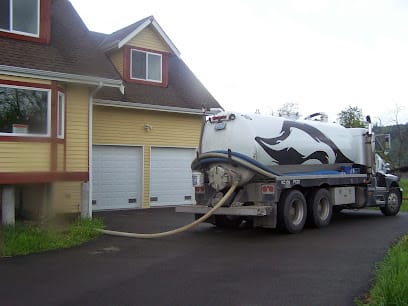
- Septic Tank Pumping & Sludge Removal: In Greensboro's Guilford County heavy clay, routine pumping every 2-3 years is essential to prevent biomat acceleration and drainfield failures. This applies to all Greensboro neighborhoods—from historic Fisher Park to modern Sedgefield subdivisions. Our vetted contractors remove both liquid waste and the critical sludge layer at the tank bottom—incomplete pumping causes premature failures. During pumping, experienced contractors inspect baffles (especially critical for historic systems), check for root intrusion signs, and assess overall condition. Proper disposal at Guilford County-approved facilities is verified with documentation. This routine maintenance—costing $350-$550 every 2-3 years—prevents $15,000-$25,000 drainfield replacements. Recommended every 2-3 years without exception for Greensboro properties in heavy clay.
- Historic System Restoration for Fisher Park & Irving Park: If you own a home in Fisher Park, Irving Park, or other historic Greensboro neighborhoods (pre-1950 construction), your septic system likely has terracotta laterals requiring specialized evaluation and gentle restoration approaches. Our network contractors provide camera inspections documenting terracotta condition, identifying crack locations and root intrusion points, and assessing whether selective repairs preserve historic yards or complete replacement is necessary. When repairs are possible, contractors use careful excavation methods that preserve mature landscaping and replace only failed sections. This approach costs $2,000-$5,000 for localized repairs versus $15,000-$25,000 for complete drainfield replacement. Success requires experience with fragile historic materials—our network includes professionals who understand the balance between functional upgrades and preserving the character of Greensboro's most treasured neighborhoods.
- Hydro-Jetting for Root Removal & Tree Preservation: When tree roots from Greensboro's mature oaks invade drainfield laterals, hydro-jetting uses high-pressure water (3,000-4,000 PSI) to clear obstructions without excavation. This is essential for Irving Park, Fisher Park, and other historic neighborhoods where excavation would damage century-old trees and historic landscaping. Our contractors use sewer cameras after jetting to verify complete root removal and assess lateral condition (especially important for terracotta systems where aggressive techniques can cause damage). For properties with large trees within 30 feet of drainfields, preventive jetting every 3-5 years prevents emergency blockages and extends system life 5-10 years. Root barriers can be installed after jetting to slow re-invasion. This approach allows Greensboro homeowners to maintain functional septic systems while preserving the mature trees that define historic neighborhoods.
- Clay Soil Biomat Prevention & Drainfield Restoration: If your Greensboro property experiences slow drainage, sewage odors, or wet spots in the yard, biomat buildup may be compromising your drainfield in heavy clay. Our contractors assess biomat severity and recommend solutions: increased pumping frequency to reduce solids load, effluent filter cleaning (if equipped), hydro-jetting laterals to break up biomat, or in severe cases, drainfield replacement with systems designed for low-percolation clay. Early intervention can extend drainfield life 5-10 years. In Guilford County's heavy clay, biomat prevention through proper maintenance is far more cost-effective than drainfield replacement.
- Lake Jeanette Watershed Compliance & Permitting: Installing or repairing septic systems on Lake Jeanette properties requires navigating complex watershed regulations. Our contractors design systems meeting lake setback requirements (typically 100+ feet from shoreline), specify advanced treatment if required for nutrient reduction, and manage Guilford County Environmental Health permitting with heightened environmental scrutiny. Compliance protects lake water quality, prevents enforcement actions, and maintains property values. Attempting unpermitted work or using contractors unfamiliar with Lake Jeanette watershed requirements results in expensive re-dos, potential fines, and project delays.
- Real Estate Transfer Inspections: Buying or selling in Greensboro? Septic inspections protect both parties. For historic neighborhoods like Fisher Park and Irving Park, inspections assess terracotta lateral condition, root intrusion status, and remaining system lifespan. For Lake Jeanette properties, inspections verify watershed compliance and setback adherence. For Sedgefield and newer areas, inspections document system condition and maintenance history. Our network provides comprehensive inspections documenting system type, condition (including terracotta identification if applicable), compliance with current Guilford County codes, and realistic assessments. Reports are accepted by all major lenders and title companies. For historic properties with terracotta systems, disclosure significantly affects negotiations and buyer confidence.
- Baffle Inspection & Replacement: Many Greensboro properties—especially in Irving Park, Fisher Park, and pre-1980 neighborhoods—have septic systems with concrete baffles that deteriorate after 40-60 years. Our network contractors inspect baffles during every service call and recommend replacement when deterioration is detected. Baffle replacement ($400-$600) prevents drainfield destruction ($15,000-$25,000) and is especially critical in heavy clay where any additional solids load accelerates biomat formation. For terracotta systems, baffle failure is catastrophic because brittle tiles can't handle additional stress. If you own a pre-1980 Greensboro property and your contractor has never mentioned your baffles, schedule an inspection immediately.
- Guilford County Permitting & Local Code Compliance: All septic work in Greensboro requires Guilford County Environmental Health permits. Our contractors work regularly with Guilford County, understand local documentation requirements, design systems to county standards, and navigate the permitting process efficiently. For historic properties in Fisher Park and Irving Park, contractors coordinate with preservation considerations. For Lake Jeanette properties, contractors ensure watershed compliance. Attempting work with contractors unfamiliar with Guilford County's regulatory environment results in permit denials, expensive redesigns, and project delays. Local expertise is essential for successful outcomes in Greensboro's diverse neighborhoods.