Haw River's Profile: Why Cecil Clay & Watershed Rules Change Everything
Haw River sits on Alamance County's Cecil series red clay in rolling Piedmont hills adjacent to the Haw River, creating dual challenges: slow-draining clay soil that accelerates biomat formation, and Jordan Lake watershed regulations requiring nitrogen reduction systems for properties near the river.
- Cecil Clay Slow Percolation: Alamance County's Cecil series red clay drains at 85-115 minutes per inch—significantly slower than sandy soils. This clay-heavy soil contains sandy clay loam pockets but overall exhibits slow percolation characteristics. When septic effluent enters drainfields in this soil, it moves slowly through the clay, requiring larger drainfield areas and more rigorous maintenance. During heavy usage periods or wet weather, effluent struggles to drain, creating hydraulic pressure that accelerates biomat formation and can cause temporary system failures.
- Jordan Lake Watershed Restrictions: Haw River properties—especially those near Red Slide Park, Riverbend, and riverfront locations—fall within the Jordan Lake watershed protection zone. This designation brings strict nitrogen reduction requirements: new septic installations and major repairs (typically 50%+ of system value) must use advanced treatment technologies that reduce nitrogen discharge. Common solutions include ATUs (Aerobic Treatment Units that use oxygen to break down waste more completely), recirculating sand filters, or other approved nitrogen-reducing systems. These systems cost $12,000-$18,000 vs. $6,000-$10,000 for standard systems but are mandatory for watershed protection. Quarterly maintenance by certified operators is required, not optional.
- Rolling Terrain & Riverfront Challenges: Haw River's Piedmont topography creates sloped lots where gravity septic systems must be carefully designed to prevent daylighting (sewage surfacing downslope). Properties near the river may face seasonal high water tables when river levels rise, temporarily saturating soils and disabling conventional drainfields. Historic properties in the Granite Mill district face additional constraints from preservation considerations and older infrastructure requiring sensitive restoration approaches.
Common Septic Issues in Haw River
1. Biomat Failure in Cecil Clay
The defining septic challenge in Haw River is biomat failure caused by Cecil clay's slow percolation combined with inadequate maintenance. Biomat is the biological slime layer that forms on drainfield laterals—a thin layer is normal and helps filtration. But in Haw River's clay-heavy soils, biomat thickens 2-3 times faster than in sandy soils. When septic tanks aren't pumped every 2-3 years, excessive solids escape into drainfields and feed biomat growth. Once biomat exceeds functional thickness, the clay soil beneath can no longer accept effluent—the drainfield stops draining. Symptoms include standing water over the drainfield, sewage odors, slow drains throughout the house, and backups during heavy usage. This pattern is especially common in Haw River because slow-draining clay means biomat has more time to thicken with each effluent application. Prevention requires religious pumping schedules: every 2-3 years with complete sludge removal in Cecil clay. Homeowners who extend intervals to "save money" discover that skipping $400 pump-outs results in $15,000-$25,000 drainfield replacements. In Haw River's clay soils, biomat prevention through maintenance is mandatory.
2. Jordan Lake Watershed Compliance & ATU Requirements
Properties near the Haw River—particularly in Riverbend, near Red Slide Park, and along the river corridor—face Jordan Lake watershed nitrogen reduction requirements. When these properties need new septic systems or major repairs, standard gravity systems are prohibited. Homeowners must install advanced treatment systems: ATUs (Aerobic Treatment Units), recirculating sand filters, or other approved nitrogen-reducing technologies. ATUs use electrical blowers to inject oxygen into sewage, creating aerobic conditions that break down waste more completely and reduce nitrogen output by 50-70%. While effective for watershed protection, ATUs require quarterly maintenance by certified operators (not just annual pump-outs), annual reporting to Alamance County and NC Division of Water Quality, electrical operation (adding utility costs), and ongoing vigilance—ATUs cannot fail without environmental consequences. Many Haw River homeowners don't learn about watershed requirements until system replacement becomes necessary, then face sticker shock: $12,000-$18,000 for ATU systems vs. $6,000-$10,000 for conventional systems they can't install. Contractors in our network include certified ATU operators who ensure watershed compliance, provide required maintenance, and navigate the complex permitting process for Jordan Lake properties.
3. Riverfront High Water Table Challenges
Properties near the Haw River and in low-lying areas near Red Slide Park face seasonal high water table challenges when river levels rise during wet periods. Standard drainfields installed at typical 24-36 inch depths can become submerged when water tables rise above drainfield level. When this happens, effluent cannot percolate into saturated soil—there's no absorption capacity. Symptoms include sewage surfacing in yards after heavy rain, slow drains during wet seasons that improve in dry weather, and backups that resolve when river levels drop. This isn't permanent system failure—it's seasonal hydrology. But properties experiencing chronic wet season issues may require solutions: mound systems (elevating drainfields above seasonal water tables), pump systems moving effluent to higher ground away from river influence, or more frequent pumping to create storage capacity during wet periods. For flood zone properties, additional restrictions may apply to system placement and design.
4. Historic Granite Mill District Infrastructure
Properties in Haw River's Granite Mill district and along historic Main Street face aging septic infrastructure challenges. Many homes in this area were built in the early-to-mid 1900s with septic systems using materials and techniques that don't meet modern standards: terracotta laterals that crack after 80-100 years, undersized tanks by current standards, no effluent filters, and concrete baffles that deteriorate. When these historic systems need repairs, contractors must balance preservation sensitivity with functional requirements. Aggressive excavation damages historic yards and landscaping. Solutions require careful approaches: camera inspections to identify specific failure points, selective repairs preserving as much original infrastructure as possible, and strategic upgrades (riser installation, filter retrofits, baffle replacement) that extend system life without complete replacement when viable. For historic Haw River properties, finding contractors who respect preservation while ensuring code compliance is essential.
Complete Septic Solutions for Haw River Homeowners
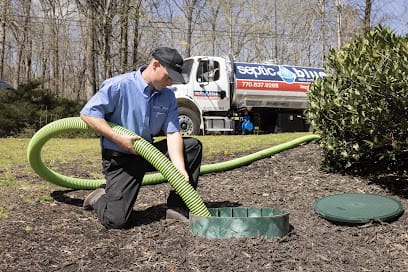
- Septic Tank Pumping & Sludge Removal: In Haw River's Cecil clay soil, routine pumping every 2-3 years is absolutely essential to prevent biomat failure. This isn't negotiable—clay's slow percolation accelerates biomat formation 2-3 times faster than sandy soils. Our vetted contractors remove both liquid waste and the critical sludge layer at the tank bottom. During pumping, contractors inspect for signs of biomat issues, check baffles (especially critical for historic Granite Mill properties), and assess overall condition. For ATU systems near the river, pumping is coordinated with quarterly maintenance requirements. Proper disposal at Alamance County-approved facilities is verified with documentation. This routine maintenance—costing $350-$550 every 2-3 years—prevents $15,000-$25,000 drainfield replacements and is mandatory for Cecil clay system survival. Recommended every 2-3 years without exception for all Haw River properties.
- Jordan Lake Watershed Compliance & ATU Installation: When Haw River properties near the river need new septic systems or major repairs, Jordan Lake watershed rules mandate nitrogen-reducing advanced treatment systems. Our network includes certified ATU operators and contractors licensed for sand filter, peat system, and other approved technology installation. Services include system design meeting watershed requirements, Alamance County and NC Division of Water Quality permitting, professional installation with proper electrical and control systems, quarterly certified maintenance (cleaning, inspection, sampling), and annual compliance reporting. While ATU systems cost more upfront ($12,000-$18,000 vs. $6,000-$10,000 for conventional), they're often the only legal option for riverfront properties. Compliance protects Haw River water quality, prevents regulatory violations, and maintains property values in watershed zones.
- Biomat Prevention & Drainfield Restoration: If your Haw River property experiences slow drainage, sewage odors, or wet spots in the yard, biomat buildup may be compromising your drainfield in Cecil clay. Our contractors assess biomat severity and recommend solutions: increased pumping frequency (every 2 years instead of 3) to reduce solids load, effluent filter cleaning (if equipped) to prevent additional solids reaching drainfield, hydro-jetting laterals to break up biomat (temporary fix lasting 2-5 years), or in severe cases, drainfield replacement designed for clay soil with proper sizing. Early intervention can extend drainfield life 5-10 years. In Haw River's clay-heavy soils, biomat prevention through religious maintenance is far more cost-effective than drainfield replacement.
- Historic System Restoration for Granite Mill District: If you own a property in Haw River's Granite Mill district or historic Main Street corridor, your septic system likely has aging infrastructure requiring preservation-sensitive restoration. Our network contractors provide camera inspections documenting system condition, identifying specific failure points, and assessing whether selective repairs preserve historic character or complete replacement is necessary. When repairs are possible, contractors use gentle excavation methods that protect historic yards, replace only failed components, and add strategic upgrades (risers, filters, baffles) that extend system life. This approach respects Haw River's mill town heritage while ensuring functional, code-compliant systems.
- High Water Table Solutions for Riverfront Properties: Properties near the Haw River experiencing seasonal wet weather failures may require specialized solutions for high water table conditions. Our contractors evaluate site hydrology, measure actual water table depths during wet periods, and recommend appropriate systems: mound systems (elevating drainfields 2-4 feet above seasonal water tables), pump systems moving effluent to higher locations away from river influence, or seasonal use management for vacation properties. These are engineering solutions that address Haw River's riverfront hydrology, not generic approaches that ignore site-specific conditions.
- Real Estate Transfer Inspections: Buying or selling in Haw River? Septic inspections are critical due to watershed compliance requirements and clay soil challenges. Buyers need to know system type (especially if ATU for watershed compliance), condition, maintenance history (essential for ATU systems), Jordan Lake compliance status, biomat condition in clay soil, and realistic remaining lifespan. Sellers benefit from documenting compliance and addressing issues before listings. Our network provides comprehensive inspections documenting system design, watershed compliance (if applicable), condition assessment specific to Cecil clay, and compliance with current Alamance County codes. Reports include ATU maintenance documentation if applicable and are accepted by all major lenders and title companies.
- Sloped Lot Evaluations & Daylighting Prevention: For Haw River properties on rolling Piedmont hills, professional evaluation identifies daylighting risks where sewage could surface downslope. Solutions include proper drainfield placement on appropriate contours, pump systems moving effluent upslope when necessary, and drainage management preventing downslope surfacing. Our contractors evaluate topography and recommend preventive measures before visible failures occur in Haw River's hilly terrain.
- Alamance County Permitting for Watershed Properties: Septic work on Haw River properties—especially those in Jordan Lake watershed—requires complex permitting through Alamance County Environmental Health and potentially NC Division of Water Quality. Our contractors navigate these requirements routinely, design compliant systems, provide necessary engineering documentation for watershed installations, and manage the permitting process. ATU and advanced treatment system permits involve additional scrutiny but are routinely obtained by contractors experienced with Jordan Lake requirements. Local expertise prevents permit denials and project delays that can extend months for watershed properties.