Kenly's Soil Profile: Why Coastal Plain Water Tables Change Everything
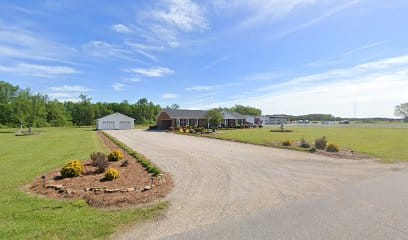
Kenly sits on the Atlantic Coastal Plain—a flat to gently rolling landscape that stretches from the fall line near Raleigh eastward to the coast. Unlike the Piedmont region's heavy clay soils, Kenly features Norfolk loamy sand and Goldsboro sandy loam: light-textured soils with 60-80% sand content. During dry weather, these soils drain beautifully—percolation rates of 15-30 minutes per inch make conventional drainfields work efficiently. But the Coastal Plain's flat topography and proximity to sea level create a fundamental problem: shallow water tables that fluctuate wildly with rainfall.
- Seasonal High Water Tables: The water table in Kenly typically sits 24-48 inches below the surface during dry summers (June-August). But during hurricane season (August-October when tropical systems dump 5-10 inches of rain in 24 hours) and spring wet periods (March-May), the water table can rise to 12-18 inches below the surface—right where drainfields are installed. North Carolina code requires at least 12 inches of vertical separation between the bottom of drainfield trenches and the seasonal high water table. When that separation disappears, drainfields stop functioning—you cannot discharge effluent into groundwater.
- Rains & Leaf Series Poor Drainage: While Norfolk and Goldsboro soils drain well, portions of Kenly—particularly near the Wilson County border and along low-lying sections of US 301 and Princeton-Kenly Road—have Rains and Leaf series soils. These are poorly drained soils where water tables remain within 12-18 inches of the surface year-round. Properties on these soils cannot install conventional gravity drainfields—they require mound systems (elevated drainfields built with imported sand fill) or pump systems to achieve adequate separation from groundwater. If you're buying rural property in Kenly, soil evaluation is critical before assuming septic system viability.
- Flat Topography Limits Drainage Options: The Coastal Plain's minimal slope (often less than 1% grade) means water has nowhere to drain when the water table rises. In the Piedmont, excess groundwater flows downhill to creeks and rivers. On the Coastal Plain, it just sits there—saturating soil for weeks until it slowly infiltrates deeper aquifers or evaporates. This is why Kenly homeowners see soggy yards and system failures that persist for 2-3 weeks after heavy rain stops, while Piedmont homeowners might see the same issues resolve in 3-5 days.
- Fast Percolation When Dry: The sandy texture that creates drainage problems during wet weather provides excellent percolation during dry periods. This creates a false sense of security—systems work beautifully from June-August when water tables are deep, leading homeowners to assume everything is fine. Then September arrives with hurricane remnants, the water table rises 2 feet overnight, and suddenly sewage is surfacing in the yard. This boom-bust cycle confuses homeowners who don't understand Coastal Plain hydrology.
Common Septic Issues in Kenly
1. Seasonal High Water Table Flooding
Seasonal high water table flooding is the #1 cause of septic failure in Kenly and across the Coastal Plain. Unlike permanent high water tables (where groundwater is always shallow), seasonal flooding occurs when water tables rise dramatically during wet periods then recede during dry periods. The pattern in Kenly: dry weather from June-August with water tables 36-48 inches deep (systems work perfectly), then hurricane season hits in August-October and water tables rise to 12-18 inches (systems fail), followed by winter/spring wet periods (December-May) with intermittent flooding depending on rainfall.
Symptoms include sewage odors and wet spots appearing 1-3 days after heavy rain (not immediately—the water table needs time to rise and saturate the drainfield), soggy or spongy ground over the drainfield that persists for weeks after rain stops, slow drains and gurgling sounds during wet seasons that resolve during dry weather, and in severe cases, sewage backing up into the home during hurricanes or tropical storms when water tables are at their highest.
The solution depends on severity. Properties with moderate seasonal fluctuations (water table drops to 24-36 inches during dry weather) can often install shallow drainfield systems with pressure distribution—trenches only 12-18 inches deep that stay above the seasonal high water table year-round. Properties with severe fluctuations or poor drainage soils (Rains/Leaf series) require mound systems—elevated drainfields constructed 3-4 feet above natural grade using imported sand fill. Mounds cost $15,000-$25,000 including pump systems and electrical work, but they're often the only way to achieve year-round functionality on Coastal Plain properties with chronic high water table issues.
2. Daylighting During Hurricane Season
Daylighting—sewage surfacing in the yard—is particularly common in Kenly during hurricane season (August-October) when tropical systems dump heavy rain. Even properties with properly designed conventional drainfields experience this when water tables rise suddenly. What happens: 5-10 inches of rain falls in 24-48 hours (typical for hurricane remnants), the water table rises 18-24 inches within days, the drainfield becomes submerged in groundwater, effluent has nowhere to percolate, and it backs up through the laterals and surfaces in the yard—often 10-20 feet downslope from the drainfield where gravity carries it.
Unlike true system failure where sewage surfaces because the drainfield is clogged or failed, daylighting during hurricanes often resolves itself once the storm passes and the water table recedes. But the experience is alarming for homeowners who suddenly see (and smell) raw sewage in their yards. And repeated daylighting events accelerate drainfield failure by flushing out beneficial bacteria and creating anaerobic conditions that thicken the biomat (biological clog in the soil).
If your property experiences daylighting more than once per year, contractors in our directory recommend converting to a mound system or installing a pump system with elevated drainfield location. While expensive ($12,000-$25,000), these upgrades eliminate daylighting by keeping the drainfield above seasonal high water tables regardless of hurricane activity.
3. Johnston-Wilson County Permitting Confusion
Kenly straddles the Johnston-Wilson County line—the border runs roughly east-west through town. Properties on one side of US 301 may be in Johnston County while properties across the street are in Wilson County. This creates permitting confusion similar to what homeowners experience in Kannapolis or Hurdle Mills. The two counties have different permit fees ($350-$500 in Johnston vs. $300-$450 in Wilson), inspection schedules, and sometimes different interpretations of state septic rules.
Installing a system under the wrong county's jurisdiction can result in enforcement action requiring removal and reinstallation under the correct permit—costs of $15,000-$30,000 in duplicated work. This has happened to Kenly homeowners, particularly along Princeton-Kenly Road and near the I-95 corridor where the county line isn't obvious. Before starting ANY septic work, verify which county has jurisdiction over your specific parcel. Contractors in our directory familiar with Kenly know how to check property records and ensure the correct county permit is obtained.
4. Neuse River Basin Nitrogen Monitoring
Kenly lies within the Neuse River Basin—a watershed that drains to the Neuse River estuary where excessive nitrogen from septic systems, agriculture, and stormwater has caused harmful algal blooms and fish kills. In response, North Carolina implemented strict watershed rules that affect septic system design and maintenance in Kenly and surrounding Johnston County communities.
While the most restrictive rules apply to new developments (requiring advanced treatment or reduced drainfield sizes), all septic systems in the Neuse Basin are subject to enhanced monitoring. If your system fails and requires replacement, Johnston County Environmental Health may require nitrogen-reducing technology—aerobic treatment units (ATUs), sand filters, or peat filters—that reduce nitrogen discharge from 30-40 mg/L (standard systems) to 10-15 mg/L. These advanced systems cost $15,000-$25,000 to install compared to $8,000-$12,000 for conventional systems, and require annual maintenance contracts ($300-$500/year).
Not every replacement in Kenly triggers these requirements—it depends on property location, proximity to surface waters, and specific circumstances. But contractors in our directory familiar with Johnston County's Neuse Basin implementation can advise whether your property falls under enhanced regulations before providing cost estimates.
5. Wet Weather Springs in Low-Lying Areas
Wet weather springs are common on Coastal Plain properties where groundwater emerges at the surface during wet seasons. Unlike true springs (which flow year-round), wet weather springs only appear after heavy rain when the water table rises above natural topography. Properties along low-lying sections of Princeton-Kenly Road and near the Wilson County border see these springs activate during winter/spring wet periods and hurricane season—exactly when septic systems are already stressed by high water tables.
If a wet weather spring emerges near or within your drainfield, the system fails completely—you cannot discharge effluent where groundwater is already surfacing naturally. The solution typically requires moving the drainfield to higher ground (if available on the property) or installing a mound system that elevates the drainfield above the spring zone. This is why professional soil evaluation is critical before buying rural property in Kenly—if the only suitable drainfield location is in a wet weather spring area, you're looking at $15,000-$25,000 in mound system costs or the property may be unsuitable for septic altogether.
6. Sandy Soil Allows Rapid Contamination
While sandy soils drain quickly (good for septic system performance during dry weather), they also allow rapid contaminant transport. Nitrogen, bacteria, and viruses from failing or undersized septic systems can reach groundwater within weeks in Norfolk loamy sand—compared to months or years in Piedmont clay soils. This is why Johnston County Environmental Health monitors Coastal Plain septic systems more closely than Piedmont systems—the consequences of failure are immediate and severe.
For homeowners, this means: (1) never neglect maintenance (pump every 3-5 years without exception), (2) fix problems immediately rather than waiting (a small drainfield wet spot can become groundwater contamination within weeks), and (3) ensure adequate separation between septic systems and wells (100 feet minimum, 150-200 feet preferred on sandy soils). If neighbors complain of well contamination and your septic system is nearby, expect Johnston County Environmental Health to investigate—and if your system is the source, you'll be required to replace it immediately at your expense.
Complete Septic Solutions for Kenly Homeowners
- Septic Tank Pumping & Sludge Removal: In Kenly's sandy soils with rapid percolation and potential groundwater contamination risk, professionals in our directory typically recommend pumping every 3-4 years for standard households. If you have a garbage disposal or live on a property with seasonal high water table issues (which accelerates biomat formation during wet periods), make that every 2-3 years. Proper pumping means removing both liquids and sludge—fly-by-night operators often quote under $300 but only pump the liquids, leaving sludge to overflow into the drainfield where it clogs sandy soil and accelerates system failure.
- Mound System Installation for High Water Tables: If your property experiences seasonal high water table flooding (sewage surfacing during hurricanes or spring rains), mound systems provide a permanent solution. Contractors in our directory construct elevated drainfields 3-4 feet above natural grade using imported sand fill, creating adequate vertical separation from groundwater year-round. Mounds require pump systems to lift effluent uphill, larger land areas (50-70 foot footprints), and ongoing maintenance (mowing, erosion control). Installation costs $15,000-$25,000 including pumps, electrical work, and sand hauling—but they eliminate seasonal flooding and daylighting events completely.
- Shallow Drainfield Systems with Pressure Distribution: For properties with moderate seasonal water table fluctuations (water table drops to 24-36 inches during dry weather), shallow drainfield systems offer a less expensive alternative to mounds. These systems use trenches only 12-18 inches deep (instead of the standard 18-24 inches) combined with pressure distribution pumps that deliver effluent in controlled doses. This keeps the drainfield above the seasonal high water table while ensuring even distribution across laterals. Installation costs $10,000-$16,000 (less than mounds but more than conventional gravity systems) and works well on properties where water tables are problematic but not severe.
- Soil Evaluation & Water Table Monitoring: Given Kenly's variable water table conditions, professional soil evaluation is critical before any septic work or property purchase. Contractors in our directory conduct deep soil borings (36-48 inches), observe soil mottling patterns that indicate seasonal high water table depth, perform perc tests, and monitor groundwater levels during both dry and wet seasons (if time permits). This prevents installing conventional systems that will fail during hurricane season or discovering mid-construction that mound systems are required (adding $8,000-$15,000 to budgets). Evaluation costs $500-$800 but can save $20,000+ by avoiding improper system designs.
- Neuse River Basin Advanced Treatment Systems: If your property requires nitrogen-reducing technology due to Neuse River Basin regulations (common for replacements near surface waters or in sensitive areas), contractors in our directory can design and install aerobic treatment units (ATUs), sand filters, or peat filters. These systems cost $15,000-$25,000 including installation and require annual maintenance contracts ($300-$500/year) but meet Johnston County's nitrogen reduction requirements. Contractors verify watershed status and applicable regulations during initial site evaluation to prevent surprise compliance costs.
- Dual-County Permitting Navigation: Contractors in our directory experienced with Kenly understand Johnston-Wilson border issues. They verify jurisdiction before starting work (using county GIS parcel maps), obtain the correct county permits, coordinate inspections with the appropriate health department, and ensure compliance with whichever county's rules apply. This prevents costly permitting errors that require system removal and reinstallation. Verification typically takes 1-2 business days.
- Drainfield Replacement & System Upgrades: If your drainfield has failed in Kenly's sandy soil (permanent wet spots, sewage surfacing year-round not just during wet weather, backups into home), replacement is required. Contractors in our directory conduct new soil borings to evaluate seasonal high water table depth (which may have changed since original installation), redesign systems to account for current conditions (often requiring mounds or shallow fields), obtain permits from Johnston or Wilson County, and handle installation with final inspection. Costs range $12,000-$30,000 depending on water table severity, lot size, and whether advanced treatment is required under Neuse Basin rules.
- Effluent Filter Installation & Cleaning: The effluent filter is critical in Kenly where sandy soils allow rapid groundwater contamination if solids escape the tank. Filters should be cleaned annually—contractors in our directory often include this in maintenance contracts for Coastal Plain properties where environmental consequences of failure are severe. Systems built before 1995 typically lack filters entirely; retrofitting one during a pump-out costs $200-$400 and is the single best investment for protecting groundwater quality and extending drainfield life.
- Real Estate Transfer Inspections: Johnston County often requires septic inspections for property transfers, especially for properties where system age is unknown or seasonal high water table issues are suspected. If you're buying property in Kenly—particularly rural land along Princeton-Kenly Road or near the Wilson County border—insist on a comprehensive inspection before closing. Contractors in our directory can assess tank condition, check for effluent filters, evaluate seasonal high water table depth (using soil mottling indicators), determine county jurisdiction, verify Neuse Basin status, and provide written reports documenting compliance or needed upgrades. A $600-$900 inspection can uncover $15,000+ in needed mound system conversions or watershed compliance upgrades, giving you negotiating leverage or the option to walk away.
- Emergency Hurricane Season Services: During hurricane season (August-October) when daylighting events are common, contractors in our directory offer emergency pumping services to reduce tank levels before storms (minimizing risk of overflow during flooding), temporary pumping solutions if systems are flooded (hauling sewage off-site until water tables recede), and post-storm system evaluations to determine whether flooding was temporary or indicates chronic high water table problems requiring mound system conversion. Emergency services during active tropical weather typically cost 50-100% more than routine work due to urgency and hazardous conditions, but they prevent sewage backup into homes during evacuations.