Kitty Hawk's Soil Profile: Why Outer Banks Sand Changes Everything
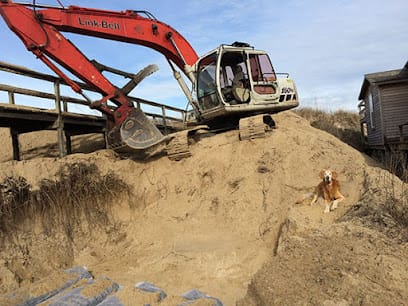
Kitty Hawk sits on barrier island geology—Corolla and Duckston series fine sands deposited over millennia by wind and ocean. These are not the sandy loams found in Piedmont North Carolina (60-70% sand mixed with silt and clay). Outer Banks soils are 95-99% pure sand—the same texture as beach sand, just slightly stabilized by organic matter in maritime forest areas. This creates unique septic challenges: percolation rates of 5-15 minutes per inch mean effluent moves through soil 3-6 times faster than ideal, reaching groundwater before adequate treatment occurs. The water table sits just 3-6 feet below the surface (compared to 15-30 feet in Piedmont), so contaminated effluent reaches drinking water aquifers within days.
- Extremely Fast Percolation: While Piedmont clay's slow percolation (60-90 min/inch) causes hydraulic overload and surfacing sewage, Outer Banks sand's fast percolation (5-15 min/inch) causes a different problem—inadequate treatment. Effluent percolates so quickly that bacteria, viruses, and nitrogen compounds don't have time to be filtered and neutralized by soil. This is why North Carolina requires larger drainfields on barrier islands (50-100% larger than Piedmont equivalents) and often mandates advanced treatment systems near wells or sensitive waters.
- Shallow Water Table: The water table in Kitty Hawk fluctuates seasonally—lowest in late summer (August-September) at 4-6 feet below surface, highest in late winter (February-March) at 2-4 feet below surface. During wet periods or after hurricanes, the water table can rise to within 18-24 inches of the surface, submerging drainfields and causing complete system failure. Properties in low-lying areas (parts of Kitty Hawk Landing, The Village) experience this annually. North Carolina code requires at least 12 inches of vertical separation between drainfield trenches and seasonal high water table; when that disappears, drainfields stop functioning.
- Dune System vs. Maritime Forest: Oceanfront properties on dunes (near Kitty Hawk Pier, along NC 12 Beach Road) have pure sand with zero organic content—percolation is so fast (5-10 min/inch) that specialized designs are required. Properties in maritime forest (Kitty Hawk Woods, The Woods Road) have slightly better conditions—organic matter from leaf litter slows percolation to 10-20 min/inch and provides some treatment capacity. But both environments still percolate far faster than ideal, requiring oversized drainfields and careful design.
- Groundwater Contamination Risk: Because effluent reaches groundwater within 3-5 days (compared to 30-90 days in Piedmont clay), failing or undersized systems contaminate wells rapidly. This is compounded by Kitty Hawk's barrier island hydrology—groundwater flows from the center of the island toward ocean and sound, so contamination from one property can affect neighbors 200-300 feet away. Dare County monitors groundwater closely and will require immediate system replacement if contamination is traced to your property.
Common Septic Issues in Kitty Hawk
1. Rental Turnover Day Hydraulic Shock
Rental turnover hydraulic shock is the #1 septic failure cause in Kitty Hawk vacation rental properties. What happens: a 6-bedroom house sleeps 12-15 guests during peak summer season (Memorial Day-Labor Day), checkout is 10 AM Saturday, everyone showers between 7-10 AM (12-15 consecutive showers = 600-800 gallons in 3 hours), the septic tank receives more water in those 3 hours than it would normally see in an entire day, the drainfield can't absorb it fast enough even in sand, and the system backs up or effluent surfaces in the yard.
This is compounded by the next guests checking in at 3 PM Saturday—another round of showers, laundry from unpacking, and heavy water use. The system gets no recovery time between peak loads. By mid-summer (July-August), rental properties often show chronic wet spots over drainfields, sewage odors, and slow drains that mysteriously "fix themselves" during off-season when occupancy drops.
Solutions include: tank upsizing beyond code minimums—use 1,500-2,000 gallon tanks for high-occupancy rentals instead of standard 1,000-1,250 gallons ($4,000-$6,000 for larger tanks), dual-tank systems that provide surge capacity during turnover days ($6,000-$10,000 for second tank and piping), drainfield oversizing by 50-100% beyond minimum requirements to handle peak flows ($5,000-$10,000 additional), and pressure distribution systems that dose effluent evenly across laterals in controlled pulses rather than dumping entire turnover load on one section ($4,000-$8,000 for pumps and controls). These upgrades add $10,000-$20,000 to installation costs but are often mandatory for rentals with 10+ guest capacity.
2. Salt Air Corrosion of Concrete Components
Salt air corrosion destroys concrete septic tanks, risers, and lids far faster on the Outer Banks than inland. Salt-laden air from ocean spray penetrates concrete, reacts with embedded steel reinforcement, causes rust expansion that cracks concrete, and creates structural failures within 10-15 years (compared to 30-50 years in Piedmont). The worst damage occurs on oceanfront properties (Kitty Hawk Pier area, NC 12 Beach Road) with direct salt spray exposure, but even properties a mile inland in Kitty Hawk Woods experience accelerated deterioration.
Symptoms include crumbling concrete risers (can't support lids safely), tank lids breaking into fragments when opened (extremely dangerous—can cause injury or death if someone falls into tank), visible rust stains on concrete surfaces (indicates steel reinforcement corroding), and in severe cases, tank walls cracking and allowing groundwater infiltration or effluent leakage.
Prevention and repair: plastic or fiberglass risers instead of concrete—cost the same ($400-$800 for two risers) but last 30+ years in salt air ($200-$400 to replace corroded concrete risers with plastic), annual inspection of concrete tank lids for structural integrity (contractors tap with hammer to check for delamination—free during pump-outs), lid replacement before failure when concrete shows advanced deterioration ($300-$600 per lid), and in severe cases, tank replacement with modern plastic or fiberglass tanks that won't corrode ($4,000-$7,000 including excavation and installation). Properties 10+ years old should budget for riser/lid replacement; properties 15+ years old should have tanks inspected for replacement needs.
3. CAMA Setback & Permitting Restrictions
CAMA (Coastal Area Management Act) jurisdiction creates unique permitting challenges in Kitty Hawk. Beyond standard Dare County septic permits, properties within CAMA Areas of Environmental Concern (AEC)—which includes most oceanfront, soundfront, and estuarine shoreline properties—require State CAMA permits that evaluate environmental impacts, enforce enhanced setbacks, and can take 30-60 days beyond county approval.
Enhanced setbacks include: 100+ feet from ocean or sound shoreline (standard is 50 feet), 50+ feet from wetlands and dunes (standard is 30 feet), and restrictions on drainfield locations in designated Primary or Secondary Sand Dunes. For oceanfront rentals near Kitty Hawk Pier or properties in Seascape adjacent to sound waters, these setbacks can eliminate potential drainfield sites, forcing expensive pump systems that move effluent to compliant locations on the property ($10,000-$15,000 for pumps, piping, and elevated or relocated drainfields) or requiring property owners to acquire easements on adjacent land for drainfield installation (if available—often impossible on developed barrier islands).
Contractors in our directory familiar with Dare County can determine CAMA applicability during initial site evaluation using state GIS AEC maps, coordinate with NC Division of Coastal Management for permits, and design systems meeting both county and CAMA requirements. This prevents mid-project surprises that delay installations and add unexpected costs.
4. Seasonal High Water Table Flooding
Seasonal high water table flooding occurs when winter rains or tropical systems elevate the water table above drainfield depth. In Kitty Hawk, this typically happens February-March (winter wet season) and during hurricanes or nor'easters when storm surge and flooding saturate the island. When the water table rises to within 12-18 inches of the surface, drainfields installed at standard 18-24 inch depth become submerged, effluent has nowhere to percolate, and systems fail completely.
Properties in low-lying areas—parts of Kitty Hawk Landing, The Village, and anywhere within a few feet of mean sea level—experience this chronically. Symptoms include sewage odors and wet spots appearing 1-2 days after heavy rain or tropical weather, slow drains and gurgling during wet seasons, backups into homes during storms, and issues that mysteriously resolve when dry weather returns and the water table drops.
Solutions include: mound systems that construct elevated drainfields 3-4 feet above grade using imported sand fill ($18,000-$30,000 including pumps and sand hauling to barrier island), shallow pressure systems with trenches only 12 inches deep and dosing pumps ($12,000-$20,000), or at-grade systems that spread effluent across surface-level laterals in vegetated beds ($15,000-$25,000). All cost significantly more than conventional gravity systems but work year-round even during high water table periods. If you're buying property in Kitty Hawk low-lying areas, insist on water table monitoring during wettest season (February-March) before closing to confirm conventional systems are viable.
5. Groundwater Contamination from Fast Percolation
The same fast percolation that prevents surfacing sewage creates groundwater contamination risk. Effluent moves through Outer Banks sand so quickly (reaching water table within 3-5 days) that bacteria, viruses, and nitrogen compounds aren't adequately filtered. This contaminates the shallow aquifer that Kitty Hawk wells tap for drinking water. Properties with private wells (common in Kitty Hawk Woods, The Village) face health risks; properties on municipal water can still contaminate neighbors' wells or contribute to island-wide groundwater degradation.
Dare County monitors groundwater quality and investigates when contamination is detected. If your septic system is identified as the source (through dye testing, chemical fingerprinting, or proximity analysis), you'll be required to replace it immediately with advanced treatment—aerobic treatment units (ATUs), sand filters, or other technologies that reduce nitrogen and bacteria before discharge. These systems cost $15,000-$30,000 to install and require annual maintenance contracts ($400-$600/year).
Prevention requires: aggressive maintenance schedules (pump every 2-3 years for rentals, 3-4 years for residences—more frequent than Piedmont's 3-5 year standard), effluent filter cleaning every 6-12 months to minimize solids reaching drainfield, water conservation to reduce loading (especially critical for rentals during peak season), and well water testing annually for properties with private wells ($75-$150 through Dare County Environmental Health).
6. Hurricane & Storm Surge Damage
Kitty Hawk's barrier island location means hurricane and storm surge damage to septic systems is inevitable over time. Storm surge can flood drainfields with saltwater (killing beneficial bacteria and creating temporary system failure), erode cover soil exposing laterals, deposit sand or debris over drainfields (reducing percolation capacity), and in extreme cases, destroy or displace tanks and components.
After hurricanes or major nor'easters (common September-November), property owners should: avoid water use for 24-48 hours to let floodwaters recede and water table drop, have systems inspected before resuming normal use (contractors check for flood damage, debris accumulation, component displacement—$200-$400), pump tanks if they show signs of flood infiltration (cloudy water in tank indicates saltwater intrusion), and budget for potential repairs (re-grading cover soil $500-$1,500, clearing debris $300-$800, component replacement if damaged $2,000-$10,000+).
Properties in evacuation zones (most oceanfront areas) should have emergency contact information for contractors in our directory who provide post-storm septic services. Response time after major storms can be 1-2 weeks due to demand and access restrictions, so early contact is critical.
Complete Septic Solutions for Kitty Hawk Homeowners
- Septic Tank Pumping & Sludge Removal: In Kitty Hawk's fast-percolating sand with rapid groundwater transport risk, professionals in our directory typically recommend pumping every 2-3 years for high-occupancy vacation rentals (6+ bedrooms, 25+ weeks occupancy), every 3-4 years for smaller rentals or permanent residences. This is more frequent than Piedmont's 3-5 year standard due to: (1) rental hydraulic shock accelerating sludge buildup, (2) groundwater contamination risk if solids overflow, and (3) salt air corrosion requiring more frequent tank inspections during pump-outs. Proper pumping means removing both liquids and sludge—fly-by-night operators often quote under $300 but only pump liquids, leaving sludge to overflow into drainfield where it clogs sand and accelerates groundwater contamination.
- Rental Property System Upgrades: For vacation rental properties experiencing turnover day hydraulic shock (wet spots, odors, backups during peak season), contractors in our directory offer: (1) tank upsizing to 1,500-2,000 gallons for high-occupancy homes ($4,000-$6,000), (2) dual-tank systems providing surge capacity ($6,000-$10,000), (3) drainfield oversizing by 50-100% beyond minimums ($5,000-$10,000 additional trenching), and (4) pressure distribution systems with dosing pumps ($4,000-$8,000). These upgrades prevent mid-season failures that cost rental income ($2,000-$5,000 per cancelled week) far exceeding upgrade costs.
- Salt Air Corrosion Prevention & Repair: For properties with concrete components showing deterioration (crumbling risers, rusting lids), contractors in our directory offer: (1) plastic or fiberglass riser replacement ($400-$800 for two risers—prevents future corrosion), (2) concrete lid replacement before failure ($300-$600 per lid), (3) tank inspection and structural assessment for properties 15+ years old ($200-$400), and (4) complete tank replacement with corrosion-proof plastic or fiberglass tanks ($4,000-$7,000) when concrete tanks show advanced deterioration. Annual inspections during pump-outs catch corrosion early before dangerous failures occur.
- CAMA Compliant System Design: For oceanfront or soundfront properties requiring CAMA permits (most NC 12 Beach Road properties, portions of Seascape, Kitty Hawk Landing waterfront), contractors in our directory can: (1) determine CAMA AEC status using state GIS maps, (2) design systems meeting enhanced setbacks from shorelines and dunes, (3) coordinate State CAMA permit applications with NC Division of Coastal Management, (4) install pump systems if setbacks eliminate conventional drainfield locations ($10,000-$15,000 for pumps and piping), and (5) navigate combined Dare County + State approval processes (60-90 days total timeline). This prevents permitting nightmares that delay construction and blow budgets.
- High Water Table Solutions: For properties in low-lying areas experiencing seasonal flooding (Kitty Hawk Landing, The Village, near sound waters), contractors in our directory design: (1) mound systems elevated 3-4 feet above grade ($18,000-$30,000 including barrier island sand transport), (2) shallow pressure systems with 12-inch trenches and dosing pumps ($12,000-$20,000), or (3) at-grade systems with surface-level distribution ($15,000-$25,000). All work year-round regardless of water table fluctuations, eliminating seasonal failures during winter wet periods or after tropical weather.
- Advanced Treatment for Groundwater Protection: When groundwater contamination is detected or properties require enhanced treatment (near wells, sensitive waters, high-density development), contractors in our directory install: (1) aerobic treatment units (ATUs) that pre-treat effluent before discharge ($18,000-$30,000 including drainfield), (2) sand filters providing additional treatment in manufactured beds ($20,000-$35,000), or (3) nitrogen-reducing systems meeting Dare County's most stringent requirements ($25,000-$40,000). These systems require annual maintenance contracts ($400-$600/year) but protect groundwater quality and satisfy regulatory requirements.
- Post-Hurricane System Restoration: After tropical storms or hurricanes, contractors in our directory provide: (1) emergency inspections to assess flood damage, debris accumulation, and component displacement ($200-$400), (2) emergency pumping if saltwater infiltrated tanks ($300-$500), (3) debris removal and re-grading cover soil ($500-$1,500), (4) lateral flushing if sand accumulated in pipes ($800-$1,500), and (5) component replacement if storm damage occurred ($2,000-$10,000+ depending on severity). Priority service for rental properties needing rapid restoration to resume guest bookings.
- Drainfield Replacement in Barrier Island Sand: If your drainfield has failed in Kitty Hawk's fast-percolating sand (permanent wet spots, chronic odors, groundwater contamination detected), replacement requires: new soil borings to evaluate current sand conditions and water table depth, system redesign accounting for rental occupancy if applicable, CAMA permit verification if near protected waters, oversized drainfield design (50-100% larger than Piedmont equivalents), Dare County permits, and installation with final inspection. Costs range $15,000-$35,000 depending on property type (rental vs. residence), water table depth (conventional vs. mound/shallow pressure), and CAMA complications (setbacks, pump systems).
- Real Estate Transfer Inspections: Dare County requires septic compliance for property transfers, especially critical for vacation rentals where high occupancy stresses systems and salt air corrosion is advanced. If you're buying in Kitty Hawk—particularly oceanfront rentals or properties 10+ years old—insist on comprehensive inspection before closing. Contractors in our directory assess: tank sizing adequacy for rental occupancy, concrete component corrosion (risers, lids, tanks), drainfield functionality and sizing, water table depth during wet season, CAMA compliance for shoreline properties, and provide written reports documenting condition. A $700-$1,000 inspection can uncover $15,000+ in hidden rental turnover damage, salt air corrosion, or CAMA non-compliance, giving you negotiating leverage or the option to walk away.
- Effluent Filter Installation & Cleaning: The effluent filter is critical in Kitty Hawk where fast sand percolation and groundwater contamination risk make solid control essential. Filters should be cleaned every 6-12 months for rentals (high solids generation during turnover), annually for residences. Systems built before 1995 typically lack filters; retrofitting during pump-outs costs $200-$400 and is the single best investment for protecting groundwater quality and extending drainfield life in barrier island conditions.
Serving Kitty Hawk Woods, Seascape, and Oceanfront Properties
Whether you manage an oceanfront vacation rental near Kitty Hawk Pier handling 25+ weeks of guests annually, a permanent residence in Kitty Hawk Woods or along The Woods Road where maritime forest provides some protection from salt spray, a soundfront property in Kitty Hawk Landing facing CAMA setback restrictions, a home in Seascape dealing with seasonal high water tables, a property in First Flight Ridge, or The Village (West Side) where older systems show salt air corrosion, contractors in our directory understand Outer Banks septic challenges that don't exist anywhere else in North Carolina.
Located at MP 4 on the Bypass, our directory connects you with professionals who service the entire Kitty Hawk strip—from the oceanfront rentals near the Pier to the permanent residences tucked away in Kitty Hawk Woods. They know the difference between a rental property system requiring oversized tanks and drainfields to handle turnover hydraulic shock (adding $10,000-$20,000 to installation costs) and a permanent residence system with standard sizing. They understand salt air corrosion patterns that destroy concrete components in 10-15 years on oceanfront properties but take 15-20 years a mile inland. And they navigate CAMA permitting for shoreline properties that confuses contractors unfamiliar with Coastal Area Management Act regulations.
From the Wright Brothers National Memorial in the south to the Kill Devil Hills border in the north, from the Atlantic oceanfront along NC 12 Beach Road to the sound waters of Kitty Hawk Bay, contractors in our directory cover the entire Kitty Hawk area. They're the local professionals who understand that barrier island septic isn't Piedmont septic (completely different soil, water table, corrosion, and regulatory challenges), that vacation rental septic isn't residential septic (turnover hydraulic shock requires specialized designs), and that Outer Banks septic requires knowledge of fast sand percolation, shallow water tables, CAMA jurisdiction, and salt air corrosion that most mainland contractors have never encountered in their entire careers.
Why Kitty Hawk Residents & Property Managers Trust Our Directory
Contractors in our directory aren't listed by accident. They're vetted professionals with proper North Carolina septic contractor licenses, comprehensive liability insurance, and proven track records in Dare County barrier island conditions. Many have decades of experience specifically on the Outer Banks—they know which neighborhoods have chronic high water table issues (Kitty Hawk Landing, The Village), which oceanfront properties face the worst salt air corrosion (anything with direct ocean spray exposure), and which locations require CAMA permits that add 30-60 days to project timelines.
They understand that Kitty Hawk isn't a simple septic market. A contractor who excels at installing conventional systems in Raleigh's clay soil will fail catastrophically when faced with Outer Banks sand percolating in 10 minutes, a 12-bedroom rental house generating 1,000+ gallons on turnover Saturday, or concrete tank lids crumbling from 15 years of salt spray. A contractor unfamiliar with CAMA regulations will design systems that can't get State permits, delaying construction for months while waiting for redesigns and re-approvals.
When you're dealing with a septic emergency in Kitty Hawk—sewage surfacing in the yard during peak July rental season because turnover hydraulic shock overwhelmed an undersized system, costing you $3,000-$5,000 in cancelled bookings—you need contractors who respond within hours with solutions (emergency pumping, temporary holding tanks, rapid repairs) that get guests back in the house. When you're buying an oceanfront rental property and need pre-purchase inspection, you need contractors who know what to look for in 15-year-old barrier island systems: salt-corroded concrete components, undersized tanks and drainfields for rental occupancy, CAMA compliance issues, water table depth during wet season—not generic inspectors who miss corrosion damage that will require $10,000+ in emergency repairs within two years.
This is why Kitty Hawk property owners—from rental management companies overseeing dozens of oceanfront homes, to retirees with permanent residences in Kitty Hawk Woods, to first-time vacation rental investors learning about turnover day hydraulic shock the hard way—trust contractors in our directory. Because on the Outer Banks, where sand percolates in minutes not hours, where salt air destroys concrete in years not decades, where CAMA regulations restrict where systems can be installed, and where rental turnover creates hydraulic loads never imagined by mainland design standards, specialized knowledge isn't optional. It's the difference between a properly designed barrier island system that handles rental stress and salt exposure for 15-20 years, and a mainland system design that fails in 5 years and contaminates groundwater because the contractor didn't understand that Kitty Hawk septic is fundamentally different from anywhere else in North Carolina.