Marshville's Soil Profile: Why Slate Belt Platy Clay Changes Everything
Marshville's Badin, Cid, and Lignum soil series are classic Carolina Slate Belt geology—formed from weathered metavolcanic bedrock (ancient slate, schist, and volcanic ash). These soils have a distinctive platy structure: the clay subsoil is composed of thin horizontal plates that restrict vertical water movement. Unlike Piedmont clay (which has blocky structure allowing some vertical percolation) or sandy Coastal Plain soils (which drain freely), Slate Belt platy clay acts as a barrier layer. Water percolates down through the silt loam topsoil (12-18 inches), then stops on top of the dense platy clay, creating a perched water table during wet seasons. Add shallow metavolcanic bedrock at 20-30 inches, and you're dealing with limited soil depth and restrictive drainage—a challenging combination.
- Platy Structure = Perched Water Tables: The thin horizontal plates in Slate Belt clay restrict downward water movement. During Union County's wet winters (December-March, averaging 12+ inches of rain), water accumulates on top of the platy clay layer, saturating drainfields from below. Systems installed too shallow (18-24 inches) sit in this perched water zone during wet seasons, causing hydraulic failure even though percolation rates looked adequate during dry-season testing. Proper design requires excavating to 30-36 inches—below the most restrictive platy layers.
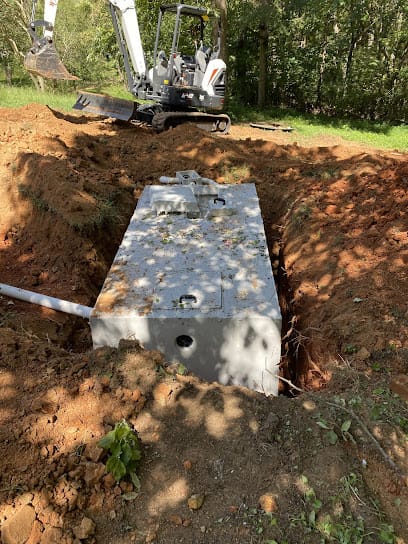
- Shallow Metavolcanic Bedrock = Limited Depth: Marshville sits on ancient volcanic bedrock that weathered into the Slate Belt soils. This bedrock appears at 20-30 inches across many properties—too shallow for conventional drainfield installation requiring 30-36 inches of soil. When contractors hit solid slate or tough metavolcanic clay at 24 inches, standard trenching becomes impossible. Solutions include shallow low-pressure pipe (LPP) systems, chamber systems (requiring only 18-24 inches), or mound systems (elevated above bedrock).
- Acidic Soils = Septic Component Corrosion: Slate Belt soils are naturally acidic (pH 4.5-5.5) due to volcanic parent material. This acidity accelerates corrosion of metal septic components—steel distribution boxes rust through, metal baffles corrode, and galvanized pipes fail prematurely. Contractors working Marshville need to use concrete distribution boxes, PVC baffles, and plastic pipes exclusively—metal components fail in 10-15 years instead of 30+ years.
Common Septic Issues in Marshville
1. Seasonal Perched Water Table Backups (All Neighborhoods)
This is Marshville's #1 septic complaint. Your system works perfectly from June through December—fast drains, no odors, no problems. Then every February and March, it backs up. Toilets gurgle, drains slow, sewage surfaces in the yard during rain. You call a pumper, they remove 400 gallons, and the system works again... until the next heavy rain when it backs up again within days. This is the classic perched water table symptom. The platy structure in Slate Belt clay creates a barrier layer that pools water on top during wet seasons. Drainfields installed at 18-24 inches sit in this saturated zone from January-April, causing hydraulic overload. The tank isn't full—the drainfield is saturated from below by groundwater pooling on platy clay. Pumping provides temporary relief but doesn't fix the root cause. Solutions include deeper excavation (30-36 inches to penetrate below restrictive platy layers), pressure distribution systems (using pumps to force effluent through dense clay), mound systems (elevating drainfields 3-4 feet above the perched water zone), or curtain drains (French drains diverting groundwater away from drainfield areas). Contractors in our directory understand Slate Belt hydrology and design systems that work year-round, not just in dry seasons.
2. Shallow Bedrock Installation Failures (Rural Properties)
Properties along Olive Branch Road, Stegall Road, and rural areas frequently hit metavolcanic bedrock or extremely dense "tough clay" at 20-30 inches—too shallow for conventional drainfield installation. Backhoes hit resistance (refusal) and can't dig the required 30-36 inch trenches. Symptoms include systems that pass perc tests but can't be installed as designed (bedrock discovered during excavation), recurring failures (systems installed in only 20 inches of soil provide inadequate treatment), and complete abandonment (contractors give up when encountering bedrock). Solutions include low-pressure pipe (LPP) systems (using pumps to distribute effluent through shallow laterals, requiring only 18-24 inches soil depth), chamber systems (plastic arches needing minimal excavation), mound systems (elevated above bedrock), or at-grade systems (shallow beds on natural grade). The only prevention is deep soil testing before system design—excavating test pits to 3-4 feet, mapping bedrock depth, and designing systems matched to actual site conditions. Our network contractors perform this evaluation as standard practice in Slate Belt terrain.
3. Acidic Soil Component Corrosion (Historic Properties)
Older homes near the Cultural Center and Town Center area often have septic systems from the 1980s-1990s installed with metal components—steel distribution boxes, galvanized baffles, cast iron distribution pipes. In Marshville's acidic Slate Belt soils (pH 4.5-5.5), these metal components corrode rapidly. Symptoms include distribution boxes rusting through and collapsing (causing uneven effluent distribution), inlet/outlet baffles corroding away (allowing solids to escape the tank), and galvanized pipes developing holes (creating uneven lateral flow). This corrosion happens 2-3 times faster than in neutral pH Piedmont soils. When inspectors examine these older systems, they often find severely corroded components requiring replacement. Solutions include replacing all metal components with concrete or PVC (concrete D-boxes, PVC baffles, plastic pipes), upgrading to modern tank designs (eliminating metal entirely), or installing sacrificial anodes (in steel tanks to slow corrosion). Contractors in our directory understand acidic soil chemistry and never install metal components in Slate Belt environments.
4. Watershed Stormwater Conflicts (New Developments)
Properties in newer developments (Meadow Creek Village area, subdivisions along US-74) draining toward Lanes Creek or Rocky River face competing requirements: septic systems need large drainfield areas, but watershed stormwater regulations require retention ponds, buffers, and impervious surface limits. Union County's watershed overlay districts mandate 50-foot stream buffers and limit lot coverage to 24% impervious surface (including buildings, driveways, patios). On smaller lots (0.5-1 acre), these restrictions squeeze available drainfield space. Symptoms include permit denials (insufficient area for both septic and stormwater requirements), inability to place drainfields (buffers consume all suitable soil areas), and mandatory system upgrades (county requires advanced treatment to reduce drainfield size). Solutions include low-pressure pipe (LPP) systems (reducing drainfield size by 30-40%), Aerobic Treatment Units (ATUs) (allowing smaller fields), creative site planning (coordinating septic and stormwater designs), or engineered fill (importing suitable soil to create drainfield areas). Our directory includes contractors who navigate these dual regulatory challenges.
Complete Septic Solutions for Marshville Homeowners
- Septic Tank Pumping & Seasonal Monitoring: In Slate Belt soils with perched water table issues, contractors in our directory pump tanks every 3 years for standard households (every 2 years with garbage disposals or if system shows seasonal stress). They document seasonal performance patterns—critical for diagnosing perched water table failures that appear only during wet seasons. Proper waste disposal at licensed facilities protects Lanes Creek and Rocky River watersheds.
- Perched Water Table Remediation: If your system backs up every February-March but works perfectly in summer, the platy clay is creating seasonal saturation. Solutions include deeper excavation (30-36 inches to penetrate restrictive clay layers), pressure distribution systems (dosing effluent in controlled amounts to force percolation through dense clay), mound systems (elevating drainfields 3-4 feet above the perched water zone), or curtain drains (intercepting groundwater upslope to lower the seasonal water table). Contractors in our network design systems that work year-round in Slate Belt hydrology.
- Shallow Bedrock Low-Pressure Pipe (LPP) Systems: When metavolcanic bedrock appears at 20-30 inches, LPP systems are often the best solution. These use pumps to distribute effluent evenly through shallow laterals (requiring only 18-24 inches soil depth), timed dosing to maximize treatment in limited soil volume, and pressure-compensating orifices ensuring uniform distribution. Our network specialists design LPP systems for Slate Belt terrain, install pump stations with backup alarms, and provide ongoing maintenance.
- Acidic Soil Component Upgrades: For historic properties with corroding metal components, contractors in our directory replace steel distribution boxes with concrete (resistant to acidic soils), install PVC baffles (won't corrode), use schedule 40 PVC pipes throughout (no metal), and upgrade to modern plastic tanks if needed. These upgrades extend system life from 15 years to 30+ years in Marshville's acidic environment.
- Deep Soil Testing & Platy Clay Identification: Standard perc tests sample only surface soils—useless in Slate Belt where restrictive platy clay layers at 18-30 inches determine system performance. Contractors in our network excavate 3-4 foot test pits, identify platy structure depth and thickness, test percolation below restrictive layers, map bedrock depth, and design systems based on actual subsurface conditions. This prevents seasonal failures from hidden perched water tables.
- Lanes Creek / Rocky River Watershed Compliance: For properties in watershed overlay districts, our directory includes contractors who navigate dual septic and stormwater requirements: designing compact LPP or ATU systems (fitting within buffer constraints), coordinating with stormwater engineers (ensuring retention pond and septic placement don't conflict), securing watershed permits from Union County Environmental Health, and meeting nutrient management standards protecting creek water quality.
- Chamber Systems for Shallow Soils: When bedrock or tough clay limits excavation depth, chamber systems provide reliable performance in only 18-24 inches of soil. Our network installs plastic arch chambers (replacing gravel and pipe), connects them to pressure distribution manifolds (ensuring even dosing), and designs layouts maximizing treatment in limited soil depth. Chambers work reliably where conventional trenches are impossible.
- Mound System Installation (Bedrock & Perched Water Solutions): For properties with shallow bedrock or chronic perched water tables, mound systems solve both problems—elevated drainfields built 3-4 feet above natural grade using imported sand fill. Our directory specialists design mounds sized for Slate Belt conditions, install pump stations handling Union County terrain, ensure proper sand specifications (preventing compaction and maintaining percolation), and provide ongoing pump maintenance. Mounds work where other designs fail.
- Real Estate Transfer Inspections (Union County): Union County requires septic inspections for most property sales. Inspectors evaluate tank condition, measure sludge depth, test drainfield absorption, assess seasonal performance patterns (checking for perched water table evidence), verify component condition (checking for acidic soil corrosion), and identify watershed compliance issues. Slate Belt properties often reveal seasonal failures or corroded components. Our directory connects you with certified inspectors providing honest assessments and contractors for code-compliant Slate Belt repairs.
- Emergency Seasonal Backup Response: When your Marshville system backs up during wet season, you need Slate Belt specialists who understand perched water tables. Our network includes contractors who respond to seasonal failures, pump tanks to provide immediate relief, assess whether failure is temporary (perched water) or permanent (system design flaw), install temporary fixes (pumping schedules during wet months), and design permanent solutions addressing platy clay hydrology. They understand this isn't a simple clog—it's geological.