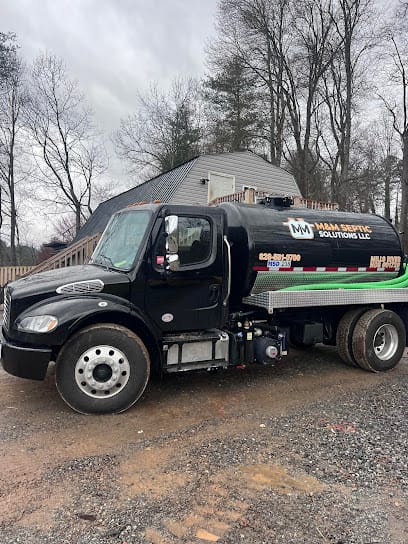
Mills River's Terrain Profile: Why Mountain Valley Hydrology Changes Everything
Mills River occupies a classic Blue Ridge mountain valley—a flat river floodplain (elevation 2,000-2,100 feet) bounded by steep slopes climbing to 3,000+ feet within a mile. The Mills River carved this valley through ancient bedrock, depositing sandy alluvial soils on the valley floor while leaving mountain ridges with thin red clay over bedrock. This creates extreme geological contrast in a small area: valley properties near NC 280 have sandy loam with groundwater at 12-24 inches depth (saturated year-round), while ridge properties in High Vista have well-drained mountain clay on 20-30% slopes. But the defining feature isn't geology—it's regulation. Mills River is designated WS-II (Water Supply Watershed Class II), North Carolina's strictest septic classification, protecting Hendersonville and Asheville's drinking water. This triggers density limits, impervious surface caps, and mandatory advanced treatment that make Mills River fundamentally different from nearby non-watershed mountain counties.
- Valley Floor High Water Table = Mound/Fill Systems Required: The Mills River floodplain has a permanent high water table—groundwater appears at 12-24 inches depth across the valley floor near NC 280, Hollabrook Farms, and The Farm at Mills River. Conventional drainfields require 18-24 inches of unsaturated soil for proper treatment. When groundwater is only 15 inches down, there's inadequate separation. Effluent enters saturated soil immediately, receiving minimal treatment before reaching groundwater. This violates both health codes and watershed protection rules. Solutions require mound systems (elevating drainfields 3-4 feet above natural grade using imported sand fill) or fill systems (raising entire drainfield areas with engineered fill). These add $15,000-$25,000 to installation costs compared to conventional systems—a surprise to buyers expecting rural mountain property to be simple.
- WS-II Watershed Strict Regulations = Advanced Treatment Mandatory: Water Supply Watershed Class II rules are North Carolina's most restrictive. Henderson County requires: minimum 1-acre lots for new septic (non-watershed counties allow 0.5 acres), maximum 24% impervious surface coverage (house + driveway + patios), mandatory Type II or Type III systems with enhanced pretreatment for lots under 2 acres, 100-foot stream buffers (50 feet in non-watershed areas), and prohibition on garbage disposals. These rules apply to ALL Mills River properties—not just new construction. During repairs, renovations, or expansions, existing systems trigger upgrades. Conventional drainfields can rarely be permitted—most systems require ATUs, sand filters, or other advanced pretreatment.
- Steep Ridge Slopes = Mountain Septic Engineering: High Vista and other ridge developments climb 20-30% slopes within Pisgah National Forest viewsheds. These properties face mountain slope challenges: shallow bedrock at 18-36 inches, steep grades requiring terracing, and potential effluent breakout at slope toes. But unlike other mountain counties, they also face WS-II watershed restrictions limiting system placement and requiring advanced treatment. The combination—mountain engineering plus watershed regulations—creates the region's most complex septic design requirements.
Common Septic Issues in Mills River
1. Valley Floor High Water Table Saturation (NC 280 & River Bottom Properties)
This is Mills River's #1 valley floor challenge. Your property seems perfect for septic—flat terrain, no slopes, easy installation. Then contractors dig test pits and hit groundwater at 15 inches. Standard perc tests can't even be performed—the soil is saturated. Conventional drainfields require 18-24 inches of unsaturated soil for treatment. When water table is at 12-18 inches, there's inadequate separation. Symptoms include permit denials (groundwater too shallow for conventional systems), wet spots appearing in the yard year-round (high water table surfacing), and systems that work during dry summers but fail every spring when river levels rise (seasonal water table fluctuations). Properties near NC 280, Hollabrook Farms, The Farm at Mills River, and anywhere within the Mills River floodplain face this routinely. Solutions require mound systems—elevated drainfields built 3-4 feet above natural grade using imported sand fill that meets state specifications. Pumps lift effluent from buried tanks to the elevated mound. These systems work reliably in high water table conditions but cost $20,000-$35,000 installed (compared to $8,000-$15,000 for conventional systems). Contractors in our directory are licensed to design WS-II compliant mound systems, specify proper sand fill, install pump stations with backup alarms, and navigate Henderson County's strict permitting. They prevent the permit denials that stop projects for months.
2. WS-II Watershed Advanced Treatment Requirements (All Properties)
Mills River is a critical drinking water source for Hendersonville (population 15,000) and contributes to Asheville's supply (population 95,000). WS-II classification means conventional septic systems cannot be permitted on most properties. Henderson County requires advanced pretreatment reducing nitrogen and phosphorus before effluent enters drainfields. Symptoms include permit applications rejected (existing designs don't meet WS-II standards), inability to repair conventional systems in place (must upgrade to advanced treatment), real estate transaction delays (buyers discovering watershed non-compliance), and mandatory system replacements during home expansions or renovations (triggering current code compliance). Solutions include Type II systems (two-compartment tanks with enhanced settling), Type III systems (additional pretreatment chambers), Aerobic Treatment Units (ATUs) (oxygen injection providing secondary treatment), recirculating sand filters (tertiary treatment for critical areas), or peat systems (biological filters). These add $8,000-$15,000 to conventional system costs. Henderson County also requires 100-foot stream buffers, limits impervious surface to 24% of lot area, and prohibits garbage disposals in WS-II areas. Contractors in our network navigate these complex regulations, design compliant systems protecting Asheville's water supply, and coordinate with Henderson County Environmental Health and NC Division of Water Resources (which oversees all WS-II permits).
3. High Vista Steep Slope Mountain Engineering
High Vista's prestigious golf community properties climb steep ridges overlooking the Mills River valley. These mountain lots face combined challenges: 20-30% slopes (requiring terracing and slope stabilization), shallow bedrock at 18-36 inches (limiting conventional drainfield depth), and WS-II watershed restrictions (requiring advanced treatment and large drainfields despite limited flat space). Standard mountain slope techniques (cut-and-fill terracing, pressure distribution, mound systems perpendicular to contours) must also meet watershed density and pretreatment requirements. Symptoms include permit denials (insufficient flat area for WS-II compliant drainfield sizes), system designs that work in other mountain counties rejected in Mills River (watershed rules more strict), and costs exceeding $40,000-$60,000 for compliant slope installations (combining mountain engineering and advanced treatment). Solutions require specialists who understand both mountain septic techniques and WS-II regulations—designing terraced pressure-dosed ATU systems (combining slope stabilization, advanced pretreatment, and watershed compliance), compact Type III mound systems (fitting on limited flat areas while meeting treatment standards), or pump-to-sewer connections (where municipal lines are accessible from Hendersonville). Contractors in our directory have designed dozens of High Vista slope systems meeting both mountain engineering and watershed protection requirements.
4. Impervious Surface Limit Violations (New Construction & Renovations)
WS-II rules cap impervious surface at 24% of lot area—including house footprint, garage, driveway, patios, walkways, and any surface preventing water infiltration. On a 1-acre lot (43,560 sq ft), only 10,454 sq ft can be impervious. A 3,000 sq ft house with 800 sq ft garage and 600 sq ft driveway = 4,400 sq ft, leaving 6,054 sq ft for everything else. When homeowners add patios, extra parking, or expand homes, they approach or exceed 24% limits. This triggers denial of septic permits (impervious surface cap reached), inability to expand homes without reducing other impervious areas, and mandatory stormwater management plans (adding $15,000-$30,000 to projects). Symptoms appear during permit applications—homeowners discover their planned additions violate WS-II limits. Solutions include permeable paver driveways (counted as 50% impervious instead of 100%), rain gardens and bioswales (offsetting impervious impacts), removal of existing impervious surfaces (tearing up old patios to make room for additions), or advanced treatment systems reducing drainfield size (freeing space for stormwater management). Our directory includes contractors who coordinate septic designs with stormwater engineers, ensuring projects meet both septic and watershed impervious limits.
Complete Septic Solutions for Mills River Homeowners
- Septic Tank Pumping & WS-II Compliance Monitoring: In Mills River's WS-II watershed, contractors in our directory pump tanks every 2-3 years (more frequently than non-watershed areas due to stricter protection standards). They inspect pretreatment components (baffles, filters, ATU aerators), document system compliance (critical for permit renewals), and properly dispose of waste at licensed facilities. WS-II violations carry $25,000+ fines—regular maintenance prevents enforcement actions.
- Mound System Design & Installation (High Water Table Valley Floor): For NC 280 corridor and valley floor properties with groundwater at 12-24 inches, mound systems are often the only permittable option. Our directory includes contractors licensed to design WS-II compliant mounds, specify sand fill meeting state gradation requirements (critical for percolation and treatment), install pump stations with duplex pumps and high-water alarms, size mounds for Henderson County's strict hydraulic loading rates, and maintain ongoing service. Mounds work reliably in Mills River's high water table conditions where conventional systems cannot be permitted.
- WS-II Advanced Pretreatment Systems: Henderson County requires Type II, Type III, or better treatment for most Mills River properties. Contractors in our network install ATUs (aerobic treatment units providing secondary treatment), recirculating sand filters (tertiary treatment for critical watershed areas), peat filters (biological treatment), or textile filters (advanced media filtration). They handle dual permitting (Henderson County Environmental Health + NC Division of Water Resources), coordinate required inspections, provide mandatory annual maintenance contracts, and ensure systems meet nitrogen/phosphorus reduction targets protecting Hendersonville and Asheville water supplies.
- High Vista Mountain Slope Systems: For steep ridge properties combining slope challenges and watershed restrictions, our directory includes specialists in mountain watershed engineering: designing terraced pressure-dosed systems (creating level platforms on slopes), installing ATUs or Type III systems meeting WS-II pretreatment requirements, anchoring drainfields to prevent downslope movement, and sizing systems for both mountain hydrology and watershed loading rates. These prevent the permit denials common when mountain contractors unfamiliar with WS-II rules attempt standard slope designs.
- Fill System Construction (Moderate Water Table Properties): When groundwater is 24-36 inches deep (too shallow for conventional but not requiring full mounds), fill systems provide a middle solution. Contractors import 12-18 inches of suitable fill material, raise the drainfield area, and install laterals in the fill layer. This costs less than full mounds ($12,000-$20,000) while meeting WS-II separation requirements. Our network designs fill systems meeting Henderson County specs and coordinates grading permits.
- Stream Buffer Compliance & Setback Solutions: WS-II rules require 100-foot buffers from perennial and intermittent streams—stricter than the 50-foot standard in non-watershed areas. Properties with drainfields or repair areas encroaching into buffers face permit denials. Contractors in our directory perform stream delineations (identifying jurisdictional waters), design systems meeting setback requirements, relocate drainfields to compliant locations, or install buffer vegetation meeting watershed protection standards. They prevent violations that halt projects indefinitely.
- Impervious Surface Mitigation & Permeable Solutions: When WS-II 24% impervious caps threaten projects, our directory includes contractors who coordinate with engineers on permeable driveways (porous pavers, permeable concrete, gravel driveways counted as 50% impervious), rain gardens (landscaped depressions filtering stormwater), bioswales (vegetated channels treating runoff), or green roofs (reducing building impervious footprint). These allow home expansions while meeting watershed limits.
- Pump-to-Sewer Connection Coordination: Properties near Hendersonville municipal sewer lines may have connection options—eliminating WS-II septic restrictions. Our directory includes contractors who coordinate with Hendersonville Utilities, design grinder pump stations (where gravity sewer isn't available), handle tap fees and permits, and manage septic system abandonment (required when connecting to sewer). This provides relief from watershed regulations when possible.
- Real Estate Transfer Inspections (Henderson County WS-II): Henderson County requires septic inspections for property sales. WS-II properties face additional scrutiny—inspectors verify advanced pretreatment components, check stream buffer compliance, assess impervious surface totals, test high water table separation, and identify watershed violations. Mills River properties often reveal non-compliant conventional systems, buffer encroachments, or missing pretreatment. Our directory connects you with certified inspectors familiar with WS-II requirements and contractors for compliant watershed upgrades.
- Emergency High Water Table Response: When valley floor systems experience flooding or saturation events, you need specialists who understand Mills River hydrology. Our network includes contractors available 24/7 who assess whether failures are permanent (inadequate water table separation requiring mound systems) or temporary (seasonal river level fluctuations), pump tanks to prevent overflow, coordinate with Henderson County on emergency permits, and design permanent solutions for high water table conditions. They understand this isn't system failure—it's hydrology requiring engineering solutions.