Rockwell's Soil Profile: Why Shallow Granite Changes Everything
The Rowan Series soil that covers most of Rockwell is a red clay formed from the weathering of diorite and granite bedrock. While the clay itself has reasonable percolation properties (60-90 minutes per inch when properly textured), the critical issue is depth. Most lots in Rockwell have only 18-36 inches of soil before hitting solid granite—well short of the 36-48 inches of separation required for safe effluent treatment.
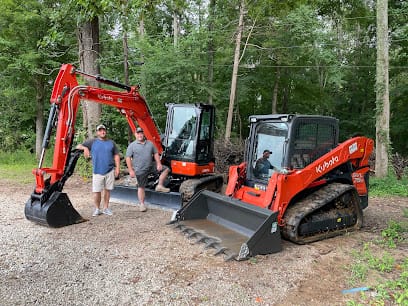
- Refusal Depth Impact: When excavators hit solid granite ("refusal"), conventional drainfield trenches become impossible. This forces the use of chamber systems, shallow placement designs, or elevated mound systems—all of which cost significantly more than standard installations.
- Saprolite Deception: The decomposed granite layer (saprolite) looks like workable soil but often lacks the biological activity and pore structure needed for proper sewage treatment. It's essentially crushed rock, not true soil. Systems installed in pure saprolite without adequate separation to bedrock often fail within 5-10 years.
- Granite Fissure Contamination: Solid granite isn't impermeable—it contains cracks (fissures) that allow liquid to flow. If effluent reaches bedrock without proper treatment, it flows through these fissures directly into groundwater without biological filtration. This is why vertical separation to rock is so critical in Rockwell.
Common Septic Issues in Rockwell
1. System Rejection Due to Bedrock: The "No Room to Dig" Problem
Refusal depth is the point where excavation equipment can no longer dig because it has encountered solid rock. In Rockwell, this commonly occurs at 24-30 inches—far short of the 36-inch minimum separation required by Rowan County code. When contractors encounter refusal, they have three options: (1) blast through the granite (expensive and often prohibited in residential areas), (2) use a shallow placement system with chambers or drip distribution, or (3) build an elevated mound system. All three solutions cost $8,000-$15,000 more than a standard installation. Symptoms include permit applications being returned with "insufficient separation" notes and quotes that are double what neighbors paid for systems installed on deeper soils.
2. Historic Straight Pipe Failures: The Old Rockwell Problem
Older homes in Downtown Rockwell and along the US-52 corridor were often built with "straight pipes"—direct discharge into granite crevices or nearby creeks without any treatment system. As these properties change hands or undergo renovation, Rowan County Environmental Health requires full septic system installation. The challenge is that many historic lots have shallow bedrock, limited acreage, and setback restrictions that make conventional systems difficult to fit. Retrofitting these properties often requires engineered solutions involving shallow drip distribution or above-grade ATU (aerobic treatment unit) systems. If you're purchasing a historic Rockwell property, always verify the septic system status before closing—discovering a straight pipe after purchase can add $20,000-$35,000 in unexpected costs.
3. Tree Root Intrusion in Saprolite Zones: The Hidden Damage
Oak and pine trees thrive in Rockwell's granite-derived soils, but their roots aggressively seek moisture. In areas where saprolite (decomposed granite) is present, tree roots can penetrate laterals and even tank baffles because the surrounding material provides little resistance. Unlike dense clay that restricts root movement, loose saprolite allows roots to travel freely. Symptoms include slow drains, gurgling toilets, and sewage backup during dry spells when trees are actively pulling moisture from the drainfield. Professionals address this with mechanical root removal via hydro-jetting, followed by root barrier installation or strategic tree removal. In Rockwell's rural areas around Cook Road and Sides Road, this issue affects 30-40% of systems older than 15 years.
4. Hydraulic Overload from Seasonal Rain Events: The Flash Flood Factor
Hydraulic overload occurs when a septic system receives more water than it can process, either from heavy household use or surface water infiltration. Rockwell's terrain—rolling hills with granite outcroppings—creates rapid runoff during storm events. If your tank lids aren't properly sealed or your drainfield isn't adequately bermed, surface water can flood the system. In shallow bedrock areas, there's no deep soil to absorb overflow, so hydraulic overload manifests quickly as standing water over the drainfield or sewage backup into the home. Symptoms include alarm buzzing during heavy rain, wet spots appearing within hours of a downpour, and effluent surfacing ("daylighting") in low spots of the yard. Contractors in our network address this by installing sump pump systems for tank protection, regrading drainfield areas to divert runoff, and retrofitting risers with watertight lids.
Complete Septic Solutions for Rockwell Homeowners
- Septic Tank Pumping & Sludge Removal: In Rockwell's granite belt, where drainfields have limited soil depth for treatment, keeping the tank properly maintained is critical. Professionals remove both liquid and settled sludge, preventing solids from escaping into the laterals where shallow bedrock offers minimal filtration. Recommended every 2-3 years for households of 3-4 people; every 18-24 months if you have a garbage disposal or live in areas with known saprolite depth issues.
- Effluent Filter Cleaning: The effluent filter acts as the "kidney" of your system, trapping solids before they reach the drainfield. In shallow bedrock areas where replacement drainfields are expensive or impossible to site, filter maintenance becomes essential. Contractors clean or replace filters every 6-12 months, preventing the premature biomat buildup that occurs when solids reach the laterals. If you live near Tiger World or along Sides Road where lots are large but soil is thin, this service extends drainfield life by 5-10 years.
- Hydro-Jetting for Root-Damaged Laterals: High-pressure water jetting clears tree roots from perforated lateral pipes without excavation. In Rockwell's saprolite zones, where roots can penetrate deeply in loose decomposed granite, hydro-jetting provides temporary relief. However, contractors typically recommend follow-up root barrier installation or strategic tree removal because saprolite allows rapid root regrowth. Cost ranges from $800-$1,500 depending on the number of affected lines.
- Shallow Placement System Installation: When bedrock is encountered at 24-30 inches, contractors use chamber systems or gravelless distribution that requires less depth than conventional pipe-and-gravel drainfields. These systems spread effluent over a wider area with minimal excavation, allowing installation in areas where refusal would otherwise make septic impossible. Proper design requires soil testing, bedrock probing, and engineered plans approved by Rowan County Environmental Health. Costs typically run $18,000-$28,000 for a 3-bedroom home.
- Riser Installation for Future Access: If your tank lids are buried 18-24 inches deep (common in older Rockwell installations), retrofitting risers brings access to ground level. This eliminates the need to dig each time you pump, reducing labor costs and preventing damage to landscaping. In areas where bedrock is shallow and tank replacement would require blasting, protecting your existing tank through easy maintenance access is especially valuable. Riser installation typically costs $400-$800 per tank opening.