Rocky Mount's Soil Profile: Why the Fall Line Changes Everything
Rocky Mount sits directly on the Fall Line—the geological boundary separating the Piedmont from the Coastal Plain. This creates a dramatic soil divide through the center of the city. The Nash County side (west of the railroad tracks) has Norfolk and Wagram soils: rolling, sandy loam with good natural drainage and percolation rates of 30-60 minutes per inch. The Edgecombe County side (east) has Leaf, Rains, and Lenoir soils: flat, gray, wet clay loam with poor drainage, high water tables, and percolation rates exceeding 120 minutes per inch.
- The West Side Advantage (Nash County): Properties in Westridge, Englewood, and Winstead enjoy favorable septic conditions due to sandy, well-draining soils. Conventional gravity systems work reliably here. The main challenge is ensuring adequate lot size and avoiding tree root intrusion in the mature pine stands common to this area.
- The East Side Challenge (Edgecombe County): Properties in Kingsboro, Princeville, Battleboro, and downtown face wet clay soils with seasonal high water tables often within 18-24 inches of the surface. Conventional drainfields don't work—systems here require mound installations, sand filters, or aerobic treatment units (ATUs) to achieve adequate separation from groundwater. Installation costs are typically 50-80% higher than west side properties.
- The Tar-Pamlico Nitrogen Problem: Rocky Mount sits in a Nutrient Sensitive Water (NSW) basin. New septic installations—especially on the east side near the Tar River—often require nitrogen-reducing technology to prevent nutrient loading into the Pamlico Sound watershed. This adds recirculating sand filters, textile filters, or advanced ATU systems to the design, significantly increasing costs and maintenance requirements.
Common Septic Issues in Rocky Mount
1. Flood Zone Siltation: The Hurricane Floyd Legacy
Hurricane Floyd's 1999 floodwaters rewrote Rocky Mount's future. The Tar River crested at 29 feet—15 feet above flood stage—inundating east side neighborhoods like Princeville and downtown. FEMA redrew floodplain maps, and thousands of septic systems were filled with river silt and mud. Today, properties in the 100-year floodplain face severe restrictions: new installations often require elevated systems mounted on fill, tanks must have flood-resistant risers and anchoring, and permits require engineered designs approved by both the county health department and floodplain administrator. Siltation—the infiltration of fine sediment into drainfield laterals—remains a chronic problem for older systems. Symptoms include sudden system failure after heavy rain, standing water that appears days after storms subside, and sewage backup that correlates with Tar River levels rather than household use. Professionals address this by excavating and replacing silt-choked laterals, installing check valves to prevent backflow from drainage ditches, and elevating drainfield components above base flood elevation. If you're purchasing property east of the tracks, always verify flood zone designation and septic system elevation—retrofitting a flooded system can cost $25,000-$40,000.
2. High Water Table Failures: The Edgecombe Clay Reality
Seasonal high water table is the depth at which groundwater saturates the soil during wet seasons. In Edgecombe County's Leaf and Rains soils, this level often rises to within 12-18 inches of the surface during winter and spring. Conventional drainfields require 18-24 inches of unsaturated soil beneath the laterals for proper treatment, making standard installations impossible. Older systems installed before modern soil testing requirements are failing as water tables fluctuate. Symptoms include sewage surfacing in the yard during wet periods, toilets that gurgle or drain slowly after rain, and grass that stays suspiciously green over the drainfield year-round (a sign of continuous effluent leaching). The solution is system replacement with either: (1) a mound system—an elevated drainfield built with imported sand fill, or (2) a shallow placement system with gravelless chambers, or (3) an ATU with drip distribution that can discharge to very shallow depths. Costs for these engineered systems range from $20,000-$35,000. Properties in Kingsboro, Battleboro, and the flat agricultural areas east of I-95 are particularly vulnerable. Never assume an older system is functioning properly just because it hasn't backed up yet—high water table systems often discharge partially treated sewage directly into groundwater for years before catastrophic failure occurs.
3. Straight Pipe Elimination: The Rural Edgecombe Problem
Straight piping—discharging raw sewage directly into ditches, creeks, or drain tiles without treatment—was once common in rural Edgecombe County where wet clay soils made conventional septic systems nearly impossible to install affordably. State and federal regulators are now aggressively eliminating these illicit discharges through inspection programs, satellite imagery analysis, and dye-testing of suspected properties. If you're purchasing rural property near Battleboro, Princeville, or along US-301 south of town, always verify the septic system's legality before closing. Straight pipes are not repairable—they require complete system replacement, often with expensive engineered solutions due to the challenging soils. Fines for straight piping can reach $25,000 per day per violation once identified, and property transfers trigger mandatory inspections in many areas. Professionals identify straight pipes through dye testing (colored dye flushed down drains, then traced to discharge points), smoke testing, and visual inspection of drainage ditches during dry weather. Replacement costs in wet clay areas typically run $18,000-$30,000 for a properly permitted system with mound or ATU technology. The Edgecombe County Health Department maintains a list of properties under compliance orders—check before purchasing.
4. Rocky Mount Mills Infrastructure: The Historic Lot Challenge
The revitalization of Rocky Mount Mills has brought new residents to historic mill worker homes built in the early 1900s. These properties face unique septic challenges: tiny lots (often 0.25 acres or less), shallow utility corridors preventing drainfield expansion, contaminated soils from industrial operations, and infrastructure predating any septic regulations. Many properties were originally connected to the mill's private sewer system, which no longer exists. Modern setback requirements—100 feet from wells, 50 feet from property lines, 25 feet from houses—often cannot be met on these compact lots. Symptoms of undersized or failing systems include chronic sewage odors, wet spots that never dry, and backup during normal use (not just heavy rain). Solutions require creative engineering: compact ATU systems with drip distribution, shallow placement chambers in tight spaces, or shared community systems for multiple properties. Some properties may require septic variances or connection to municipal sewer if expansion becomes available. Professionals specializing in historic district work use soil borings to locate contaminated zones, employ compact system designs that maximize limited space, and navigate the mill historic overlay district's aesthetic requirements for above-grade components. If you're considering a Mills property, budget $15,000-$25,000 for potential septic upgrades or replacements—and verify system legality and capacity before purchasing.
Complete Septic Solutions for Rocky Mount Homeowners
- Septic Tank Pumping & Sludge Removal: Rocky Mount's split geography means pumping schedules vary by location. West side properties (Nash County) with sandy soils can typically pump every 3-4 years for a standard household. East side properties (Edgecombe County) with wet clay should pump every 2-3 years due to reduced treatment capacity in the drainfield. Properties in flood zones require inspection after every major storm event—even if not overdue for pumping—to check for siltation and sediment infiltration. Professionals remove liquid effluent and settled sludge, inspect for flood damage or sediment intrusion, and verify that baffles and filters are intact.
- Nitrogen-Reducing System Installation: New installations in the Tar-Pamlico Nutrient Sensitive Water basin often require technology that reduces nitrogen discharge to meet environmental standards. Options include recirculating sand filters (RSF), textile filters, or advanced ATUs with pre-treatment. These systems use bacterial processes to convert nitrogen into harmless gas that escapes to the atmosphere rather than leaching into groundwater. Installation requires engineered designs, NSF-certified components, and annual inspections. Costs range from $18,000-$35,000 depending on system type and lot conditions. Properties near the Tar River, City Lake, or in eastern Rocky Mount are most likely to trigger this requirement.
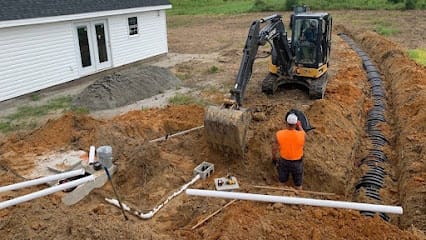
- Mound System Installation for High Water Tables: When Edgecombe County's high water table prevents conventional drainfield installation, mound systems provide a solution. Contractors import sand fill to create an elevated drainfield above the seasonal high water table, then install distribution piping in the sand layer. The system pumps effluent from the tank to the elevated drainfield. Proper design requires soil testing, water table monitoring, and engineered plans. Mounds are highly visible (typically 2-3 feet above grade) and require landscape integration. Costs run $22,000-$35,000 for residential installations. Maintenance includes pump inspection every 6 months and sand media replacement every 15-20 years.
- Flood-Resistant System Retrofits: Properties in FEMA flood zones require specific protective measures: tanks anchored with concrete ballast or straps to prevent flotation, watertight risers with gasket-sealed lids to prevent siltation, check valves on inlet and outlet lines to prevent backflow, and elevated drainfield components above base flood elevation. Professionals assess existing systems for flood vulnerabilities, retrofit protective measures, and bring systems into compliance with post-Floyd regulations. Costs vary widely depending on existing conditions but typically range from $4,000-$12,000 for protective retrofits on otherwise functional systems.
- Effluent Filter Maintenance & Replacement: The effluent filter is the last line of defense preventing solids from reaching the drainfield. In Rocky Mount's challenging soils—especially Edgecombe's wet clay—filter maintenance becomes critical because drainfield replacement costs are so high. Contractors clean filters every 6-12 months, removing accumulated solids and checking for damage. Filters should be replaced every 3-5 years even if functioning, as the mesh degrades over time. This $200-$400 maintenance expense can prevent $20,000+ drainfield failures by keeping solids contained in the tank where they belong.