Shelby's Soil Profile: Why Micaceous Clay Changes Everything
Shelby sits in the foothills where Madison and Pacolet series soils dominate—deep red clays formed from weathered granite, gneiss, and schist bedrock. The defining characteristic is mica content: these parent rocks contain abundant muscovite and biotite mica, which weathers into flat, shiny flakes dispersed throughout the clay. When you dig in Shelby, the excavated soil glitters in sunlight—a beautiful geological signature, but a septic engineering nightmare. Mica's platy crystal structure (flat hexagonal sheets that slide past each other) makes these soils behave differently from non-micaceous red clays: they're slippery when wet, unstable when excavated, and chemically reactive with organic compounds in septic effluent. Percolation rates are moderate (60-120 minutes per inch), so field sizing isn't the primary challenge—it's installation stability and long-term grease capping that define Shelby's septic difficulties.
- Mica Content and Mineral Structure: Madison soils typically contain 15-30% mica by volume—enough that you can pick out individual flakes from excavated material. The mica flakes are 1-3mm in size, silvery-white (muscovite) or bronze-black (biotite), and perfectly flat. This platy structure means mica flakes align horizontally in the soil, creating natural planes of weakness. When trenches are dug, these planes allow soil blocks to slide and collapse. Additionally, mica's surface chemistry attracts and binds with fatty acids and sodium ions—the mechanism behind grease capping formation. Properties throughout Shelby, Fallston, and Boiling Springs all sit on micaceous Madison, making this a universal concern, not an isolated problem.
- Saprolite "Rotten Rock" at Depth: Beneath the red clay (typically at 3-5 feet in Shelby's foothills), you encounter saprolite—decomposed bedrock that retains the rock's structure but crumbles in your hand. In Shelby's granite and gneiss parent materials, saprolite can be excellent for septic if properly evaluated. It often has better drainage than the overlying clay because the weathered rock structure creates larger pores. However, North Carolina regulations require licensed soil scientist approval for any system using saprolite as treatment media. The scientist evaluates texture, depth to competent bedrock, percolation characteristics, and structural stability. Some Shelby properties can use saprolite to great advantage (especially on sloped sites where shallow clay over saprolite allows terraced installations), but others have saprolite that's too compacted or contains impermeable clay seams. Never assume saprolite is usable without professional evaluation.
- Rolling Foothill Terrain: Shelby's landscape features rolling hills with 8-15% slopes common in residential areas. Like other foothills communities, steep terrain requires serial distribution systems with drop boxes to prevent downslope hydraulic overload. The combination of sloped terrain AND micaceous soil amplifies installation challenges: trenches dug on slopes in mica-rich clay are especially prone to collapse because gravity adds to the sliding forces between mica flakes. Contractors working in Shelby must excavate shorter trench segments, backfill and compact immediately, and often use mechanical stabilization (geotextile fabrics or stone buttressing) to prevent collapse during construction.
Common Septic Issues in Shelby
1. Grease Capping: The Mica-Sodium-Fat Disaster
Grease capping is Shelby's signature septic failure mode—a chemical and physical process where household fats combine with water softener sodium and react with mica flakes to form a hard, waxy, impermeable layer on drainfield trench bottoms. The mechanism: (1) Fat sources—cooking oils, body oils from bathing, soap residues, and especially garbage disposal waste enter the septic system. While the tank removes some fats in the scum layer, significant amounts pass through to the drainfield, especially if tanks aren't pumped regularly or effluent filters are clogged. (2) Sodium from softeners—homes with water softeners discharge sodium-rich brine during regeneration cycles. If this brine goes to the septic system (rather than to a separate dry well or city sewer), it adds high sodium concentrations to effluent. (3) Mica surface chemistry—mica's layered silicate structure has negatively charged surfaces that attract sodium ions (positive charge). The sodium displaces calcium and magnesium naturally present in clay, causing clay particles to deflocculate (disperse) and create a tight, impermeable structure. (4) Fat binding—fatty acids bind to the sodium-saturated mica surfaces, creating a waxy coating that further seals the trench bottom. The result is a hard pan—literally a waxy, impermeable layer 1-3 inches thick—that prevents effluent from entering the soil. Once grease capping forms, drainfields fail rapidly. Symptoms include: standing water or wet spots directly over trenches, sewage surfacing at the downslope end of the field, backup during normal water use (not just heavy rain), and grass dying in linear patterns over trenches (from anaerobic conditions under the cap). Visual identification during excavation: the trench bottom has a shiny, waxy, hard surface that's difficult to penetrate with a shovel. The only solution is complete drainfield replacement—grease caps cannot be broken up or dissolved effectively. Replacement costs: $15,000-$25,000, with the critical change being prevention measures: mandatory effluent filter installation (cleaned every 6 months), NO garbage disposal usage (this is the primary grease source), water softener discharge to separate drain field or city sewer connection (not septic), and enzyme/bacterial treatments to break down fats before they reach the field. Properties throughout Shelby built 1990s-2000s are experiencing grease capping failures as systems reach 15-25 years old—the typical lifespan before capping becomes severe enough to cause failure. Before purchasing any Shelby home, verify: (1) whether garbage disposal is present (red flag), (2) where water softener discharges (to septic = future problem), (3) system age (15+ years = approaching grease cap failure), and (4) evidence of effluent filter maintenance (indicates owner awareness of fat management).
2. Trench Sloughing During Installation: The Mica Collapse Hazard
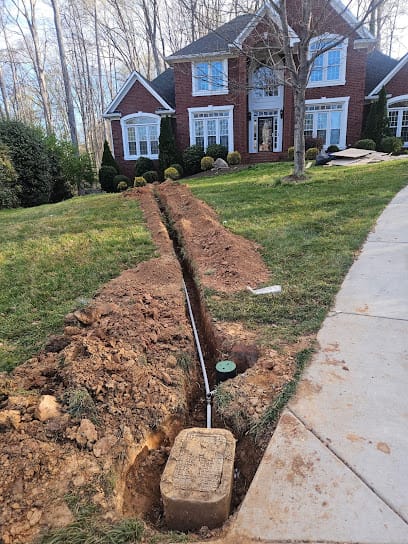
Mica-rich soils present acute safety and quality challenges during drainfield construction. When trenches are excavated in Madison clay, the mica flakes' platy structure creates planes of weakness that cause trench walls to slough (collapse) into the excavation. This happens within minutes to hours of digging, especially if groundwater is present or if it rains during construction. The problem is pervasive in Shelby: (1) Safety hazard—collapsed trench walls can bury workers or equipment. OSHA requires trench shoring or sloped sidewalls for excavations deeper than 4 feet, but even shallow (3-foot) septic trenches collapse in micaceous soil. Contractors must work quickly and use protective systems. (2) Contaminated gravel—when walls slough, clay falls into the gravel bedding layer, contaminating it and reducing drainage capacity. The resulting drainfield has clay-filled voids rather than open gravel pores, drastically reducing performance. (3) Misaligned pipes—collapsing walls can shift or bury lateral pipes before contractors can complete installation, requiring re-excavation and realignment. (4) Compaction issues—hasty backfilling to prevent further collapse often results in poor compaction, leaving voids that settle over time and cause surface depressions or pipe misalignment. Professional installations in Shelby require specific techniques: excavate trenches in short segments (20-30 feet at a time rather than entire length), place gravel and pipe immediately after digging each segment, backfill and compact within hours of excavation (never leave trenches open overnight), use geotextile fabric between native soil and gravel to prevent clay contamination, and avoid construction during wet seasons when soil is saturated (fall/winter are worst). Poor installations with sloughed clay contamination fail prematurely (5-10 years vs. 20-30 years for properly installed systems) because the clay-filled trenches have reduced absorption capacity from day one. If you're having a new system installed or repaired, verify the contractor has experience with micaceous soils and follows rapid-installation protocols. Trenches left open overnight or during rain are guaranteed to slough and compromise system performance.
3. Moss Lake Critical Area Restrictions: The Watershed Compliance Challenge
Moss Lake (John H. Moss Reservoir) is Cleveland County's primary water supply, providing drinking water to Shelby and surrounding communities. Properties within the Moss Lake watershed—especially those directly adjacent to the lake—fall under "Critical Area" protection regulations designed to prevent nutrient and sediment loading that could trigger algae blooms and water quality degradation. For septic systems, Critical Area designation means: (1) Enhanced setbacks—drainfields must be 100+ feet from the lake shore (vs. standard 50 feet from perennial waters), consuming significant yard area and limiting repair options on smaller waterfront lots. (2) Density restrictions—some Critical Area zones limit residential density to 1 unit per 2 acres minimum, making lot subdivision or multi-family development nearly impossible on septic. (3) Nitrogen-reducing requirements—new installations or major repairs may require enhanced treatment (recirculating sand filters, advanced ATUs) to reduce nitrogen discharge that feeds algae growth. Costs: $12,000-$20,000 additional. (4) Erosion control mandates—installation requires engineered erosion control plans, silt fencing, and vegetative buffers to prevent sediment runoff during construction. Adds $1,000-$2,500 to costs but is non-negotiable. (5) Pumping frequency requirements—some overlay districts mandate documented pumping every 2-3 years for waterfront properties to prevent system failure and sewage discharge to the lake. The appeal of Moss Lake waterfront living must be balanced against these realities. Installation costs for lakefront septic are typically 50-80% higher than comparable inland properties due to enhanced treatment, erosion control, and engineering requirements. Additionally, many waterfront lots were platted before Critical Area regulations and are now "non-conforming"—they can maintain existing systems but may not be able to replace them on-site if they fail, forcing connection to municipal sewer (if available, typically $12,000-$20,000) or abandonment. Before purchasing Moss Lake waterfront property, verify: (1) whether lot is in Critical Area overlay zone (check Cleveland County zoning maps), (2) what septic system type is currently required for new installations, (3) where designated repair area exists given enhanced setbacks, (4) whether property can support compliant replacement or would require sewer connection, and (5) estimated costs for replacement under current regulations vs. sewer tap fees if extension becomes available.
4. Saprolite System Design: The "Rotten Rock" Opportunity and Challenge
Properties in Shelby's foothills frequently encounter saprolite—decomposed granite, gneiss, or schist—at shallow depths (3-5 feet). Unlike solid bedrock that's impermeable, saprolite retains the rock's fracture patterns and crystal structure while being soft enough to excavate with equipment. For septic purposes, saprolite is neither soil nor rock—it's a transitional material that can range from excellent to unusable depending on specific conditions. Good saprolite has open texture with visible rock structure, drains well (faster percolation than overlying clay), and sufficient depth before hitting competent bedrock (minimum 18-24 inches of treatment zone). Systems installed in good saprolite often outperform those in dense clay because the fractured rock structure provides better drainage and doesn't form restrictive biomat as quickly. Poor saprolite is highly compacted (consolidated during rock weathering), contains clay seams that block water flow, or has insufficient depth above solid bedrock to provide treatment. North Carolina regulations require licensed soil scientist evaluation and approval for any system using saprolite. The scientist conducts: texture analysis (does it crumble or is it too hard), percolation testing in the saprolite zone, depth measurement to competent bedrock, structural stability assessment (will it support trench excavation without collapse), and written approval with any design modifications required. Soil scientist fees: $800-$1,500. If approved, saprolite installations require: deeper excavation to reach the saprolite (adding $2,000-$4,000 to standard costs), gravelless chamber systems that don't compact the friable saprolite structure, and close inspection during installation to verify conditions match the scientist's report (saprolite characteristics can vary significantly across a lot). Properties on ridges or hillsides in Fallston, around Cleveland Country Club, and throughout Boiling Springs may encounter usable saprolite. The investment in soil scientist evaluation can result in superior system performance if conditions are favorable—but never assume saprolite is usable without professional assessment.
Complete Septic Solutions for Shelby Homeowners
- Septic Tank Pumping & Grease Management: In Shelby's micaceous soils prone to grease capping, frequent pumping is essential to remove accumulated fats before they reach the drainfield. Recommended schedule: every 2 years for households with garbage disposals (NOT recommended in Shelby), every 2-3 years for standard households, every 18 months if water softener discharges to septic. Pumping appointments must include effluent filter cleaning—this is the last defense against fats reaching the field. Contractors should inspect the scum layer thickness and recommend enzyme/bacterial treatments if grease accumulation is excessive. Properties showing any signs of grease capping (slow drains, wet spots over field) need immediate pumping and assessment before complete failure occurs.
- Grease Cap Prevention Systems: For properties at risk of grease capping (all Shelby homes, but especially those with garbage disposals or water softeners), prevention systems include: (1) Enhanced effluent filters with fine mesh (catching particles 1/16 inch vs. standard 1/8 inch), cleaned every 6 months by homeowner or contractor, (2) Grease trap installations between kitchen drains and septic tank—small tanks that capture cooking fats before they enter the system, requiring quarterly pumping ($100-$150 per service), (3) Water softener diversion—replumbing softener discharge to separate drywell or connection to municipal sewer if available (one-time cost $800-$2,000), (4) Enzyme/bacterial treatments—monthly addition of products that break down fats and prevent buildup (ongoing cost $20-$40/month). While these measures add costs, they're far cheaper than $20,000 drainfield replacement from grease capping failure. Properties with existing garbage disposals should remove them—this single change eliminates the primary grease source and extends system life by 10-15 years in micaceous soils.
- Micaceous Soil Stabilization During Installation: New installations or replacements in Shelby's Madison clay require specific construction techniques to prevent trench sloughing: (1) Rapid excavation and backfill—dig trenches in 20-30 foot segments, place gravel and pipe immediately, backfill within same day to prevent wall collapse, (2) Geotextile fabric barriers—lay filter fabric between native clay and gravel to prevent clay contamination if minor sloughing occurs, (3) Dry season construction—schedule installations for summer/early fall when soil moisture is lowest and sloughing risk is minimized (avoid wet season), (4) Trench shoring or sloped sidewalls—use temporary bracing or dig trenches wider with sloped walls to meet OSHA safety requirements and prevent collapse, (5) Immediate compaction—backfill and compact in lifts (layers) to prevent settlement and maintain pipe alignment. Proper micaceous soil installations cost $2,000-$4,000 more than standard construction due to labor intensity and material requirements, but the investment prevents premature failure from clay-contaminated trenches.
- Saprolite System Installation with Soil Scientist Approval: When properties encounter usable saprolite (3-5 feet deep, well-drained, sufficient depth above bedrock), installation proceeds with: (1) Soil scientist evaluation and written approval ($800-$1,500) documenting saprolite characteristics and design requirements, (2) Deeper excavation through overlying clay to reach saprolite zone (adds $2,000-$4,000 to standard installation), (3) Gravelless chamber systems (preferred over gravel-filled trenches) that don't compact friable saprolite structure, (4) Engineered plans sealed by licensed engineer if required by health department, (5) Close inspection during construction to verify saprolite conditions match soil scientist's report. Total costs: $18,000-$28,000 for residential systems due to engineering and deeper excavation requirements. However, saprolite systems often outperform clay installations long-term due to superior drainage and reduced biomat formation.
- Moss Lake Critical Area Compliant Systems: Waterfront properties in the Moss Lake Critical Area require enhanced treatment systems to protect the drinking water reservoir: (1) Nitrogen-reducing technology—recirculating sand filters, textile filters, or advanced ATUs that convert nitrogen to harmless gas, preventing algae-feeding nutrient discharge ($15,000-$25,000 installed), (2) Enhanced erosion control—engineered plans with silt fencing, vegetative buffers, and sediment traps during construction ($1,500-$3,000), (3) Extended setbacks—100+ foot buffers from lake shore, often forcing front-yard drainfield placement for constrained lots, (4) Annual inspections and performance monitoring—mandatory testing to verify nitrogen reduction targets are met ($300-$500 annually). Before assuming lakefront property can support septic, consult Cleveland County Public Health about Critical Area requirements—costs are 60-90% higher than comparable inland properties.