Weaverville's Soil Profile: Why Mountain Red Clay Changes Everything
Weaverville sits in the Blue Ridge physiographic province where ancient mountain-building events created a distinctive layered soil structure. The surface layer is Hayesville or Evard red clay—highly plastic, sticky when wet, and relatively thin on ridgetops (often only 12-24 inches deep). Beneath this clay is saprolite, the "rotten rock" layer formed when granite bedrock weathered into a sandy, granular material over millions of years. This saprolite is Weaverville's secret weapon for septic systems—it drains beautifully when you can reach it, but finding it requires excavation through the sticky clay overburden. Unlike the Piedmont's deep uniform clay, mountain soils have dramatic variability: ridgetops may have only inches of clay over bedrock, while valley floors like Lake Louise can have 6-8 feet of alluvial deposits.
- Thin Clay on Ridges: Hamburg Mountain and Jupiter properties often have minimal topsoil over saprolite or exposed bedrock. Perc tests here can be wildly inconsistent—one test hole hits saprolite and drains in 30 minutes, while a hole 20 feet away hits solid bedrock and fails. This variability requires multiple test pits and soil borings to find viable drainfield locations, not just the standard three-hole perc test.
- Saprolite: The Drainage Solution: When contractors excavate through Hayesville clay and reach the underlying saprolite (typically at 18-36 inches depth), they find coarse, sandy material that percolates rapidly. This is why Weaverville's drainfield trenches are often dug deeper than standard—not to bury effluent, but to reach the saprolite layer where drainage actually occurs. The clay above acts as a cap, not a treatment zone.
- Steep Slope Engineering: Weaverville's defining challenge is topography. Properties on Hamburg Mountain, Reems Creek ridges, and Jupiter have slope angles of 15-35%, making standard flat-trench installations impossible. Effluent in a flat trench on a hillside rushes to the downhill end, overloads the soil there, and causes surface breakouts. The solution is serial distribution—a system of concrete drop boxes that step effluent down the hillside in controlled increments, distributing it evenly across multiple elevation levels.
- Historic Terracotta Pipe Failures: Lake Louise and downtown Weaverville properties built before 1960 often have clay pipe mainlines (the pipe from house to septic tank). These glazed terracotta pipes are brittle and crack easily under tree root pressure or ground settlement. Once cracked, roots invade and create complete blockages within 2-3 years. Symptoms include frequent backups, gurgling drains, or lush green patches along the pipe route where leaking sewage fertilizes the grass.
Common Septic Issues in Weaverville
1. Serial Distribution Failures on Steep Slopes
Buncombe County's Steep Slope Ordinance requires properties with significant grade changes to use serial distribution systems—a stepped arrangement of drainfield trenches connected by concrete drop boxes. Each drop box controls flow to the next lower trench, preventing effluent from rushing downhill and overloading one area. Common failure points include cracked drop boxes (from freeze-thaw cycles or ground settlement), clogged distribution pipes (if the effluent filter isn't cleaned regularly), and uneven flow rates between trenches. Symptoms of serial distribution failure include wet spots or surface breakouts at the lowest trench only, while upper trenches remain dry. This indicates the drop boxes aren't equalizing flow properly. Contractors in our network use specialized leveling techniques and durable precast concrete boxes (not plastic) to prevent tilting and cracking on hillsides.
2. The Golf Course Aesthetic Problem: Visible Drainfields at Reems Creek
Properties backing onto Reems Creek Golf Club or similar fairway-view locations face a unique challenge: homeowners don't want to see mounded drainfields or unsightly trench depressions ruining their mountain vistas. The solution is drip irrigation distribution—a system of small-diameter flexible tubing buried only 6-8 inches deep that releases treated effluent through pressure-regulated emitters. Drip systems create zero surface disturbance, require no mounds, and actually improve lawn health by providing consistent subsurface irrigation. The tradeoff? Drip systems need a pump chamber (adding $3,000-$5,000 to installation costs), annual filter cleaning (clogged filters destroy emitters), and pressure monitoring. But for estate properties where aesthetics justify the investment, drip systems are invisible and perform beautifully in Weaverville's thin soils where shallow placement reaches the saprolite drainage layer.
3. Saprolite Depth Variability and System Placement
When designing new installations, contractors must excavate test pits to measure saprolite depth—the vertical distance from surface to the beginning of the sandy drainage layer. In Weaverville, this depth varies wildly: 18 inches on Hamburg Mountain ridges, 48 inches in Flat Creek valleys. If saprolite is too deep (over 36 inches), trenches must be excavated deeper to reach it, which increases installation costs and may trigger Buncombe County's requirement for engineered plans. If saprolite is too shallow (under 12 inches), there's insufficient clay cover for effluent treatment before it reaches groundwater. The ideal range is 18-30 inches of clay over saprolite. Properties that don't have this naturally may need fill systems—imported sand placed on top of existing clay to create an artificial treatment zone—but these add $8,000-$12,000 to project costs.
4. Terracotta Pipe Root Intrusion in Historic Lake Louise Properties
Homes in the Lake Louise historic district and along Main Street were built during an era (1930s-1950s) when glazed clay pipe was the standard for sewer lines. These terracotta pipes, typically 4-inch diameter with bell-and-spigot joints, are still in use under many properties. The problem? They crack under ground settlement or root pressure, and once cracked, tree roots (especially from maples, willows, and poplars common in valley locations) grow directly into the pipe seeking the nutrient-rich sewage. Within 2-3 years, the root mass completely blocks the line. Symptoms include frequent backups after heavy water usage, slow drains in all fixtures simultaneously, or gurgling sounds from toilets and drains. Diagnosis requires camera inspection—snaking may temporarily clear soft roots but doesn't fix the cracked pipe. The permanent solution is pipe replacement with modern PVC, which requires trenching from house to septic tank. Budget $3,000-$6,000 for 50-100 feet of mainline replacement. Contractors in our network use trenchless pipe-bursting techniques where possible to minimize landscape disruption in established yards.
Complete Septic Solutions for Weaverville Homeowners
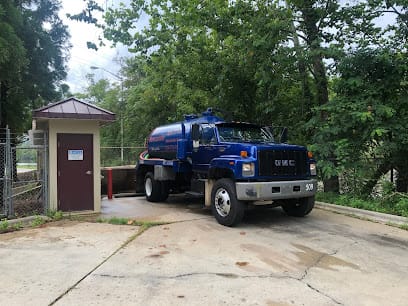
- Septic Tank Pumping & Sludge Removal: Mountain properties in Weaverville should maintain standard 3-year pumping intervals despite the challenging terrain. Why? Because failed drainfields on steep slopes are catastrophic—once effluent breaks out on the surface, it flows downhill and creates biohazard conditions across multiple terraces. Contractors in our network use specialized trucks with extended hoses (up to 200 feet) to reach tanks on hillside properties where access is limited. Always include effluent filter cleaning during pumping visits—clogged filters cause tank overflows that are especially dangerous on slopes.
- Serial Distribution System Installation & Repair: This is Weaverville's signature septic solution for hillside properties. Installation requires precise survey work to establish elevation drops between trenches, fabrication or placement of precast concrete drop boxes at each level, and careful grading to ensure even distribution. Each drop box must be perfectly level (contractors use laser transits) to prevent preferential flow to one side. Repair work typically involves re-leveling settled boxes, replacing cracked boxes, or cleaning clogged distribution pipes. Budget $15,000-$25,000 for new serial distribution installations on steep Hamburg Mountain or Jupiter properties.
- Drip Irrigation System Design & Installation: For Reems Creek estates and other properties where aesthetics matter, drip systems are the gold standard. Small-diameter flexible tubing (typically purple PVC to indicate reclaimed water) is laid in shallow trenches following the property's contours. Pressure-regulated emitters release effluent slowly and evenly, creating subsurface irrigation that improves lawn health without visible mounds or depressions. The system requires a pump chamber with dual pumps (for redundancy), inline filters that need cleaning every 6 months, and pressure monitoring. Contractors in our network provide maintenance contracts because neglected drip systems clog rapidly. Installation costs: $18,000-$30,000 depending on property size and pump requirements.
- Saprolite Excavation & Drainfield Optimization: When perc tests show slow drainage in clay, experienced contractors excavate test trenches to locate the saprolite layer. If found at reasonable depth (18-36 inches), trenches are dug through the clay to place laterals directly in the saprolite. This isn't deeper burial—it's strategic placement in the soil layer that actually drains. The clay above acts as a protective cap and provides some treatment, while the saprolite handles hydraulic loading. This technique can salvage properties that would otherwise fail standard perc tests.
- Terracotta Pipe Replacement & Root Barrier Installation: For Lake Louise and downtown historic properties, mainline replacement is often overdue. Contractors camera-inspect the existing clay pipe to document root intrusion and crack locations, then excavate and replace with modern Schedule 40 PVC. For properties with aggressive tree root systems (maples, willows, poplars), root barrier fabric can be installed alongside the new pipe to prevent future intrusion. Trenchless pipe-bursting—where a new pipe is pulled through the old one—minimizes landscape disruption and is preferred in established yards. Cost: $3,000-$8,000 depending on distance and access.
- Steep Slope Engineering & Permit Navigation: New construction or replacement systems on slopes over 30% require engineer-stamped designs per Buncombe County regulations. Contractors in our directory work with civil engineers who specialize in mountain septic systems. The engineer conducts site surveys, designs serial distribution layouts with proper drop box spacing, calculates hydraulic loading rates for each trench level, and prepares permit documents for Environmental Health review. This engineering work adds $2,000-$4,000 to project costs but is required by code and prevents catastrophic failures.
- Fill System Installation for Thin Soil Properties: When saprolite is too shallow (under 12 inches of clay cover) or bedrock is too close to the surface, imported sand fill systems create an artificial treatment zone. Clean washed sand (meeting ASTM specifications) is placed on top of existing soil to a depth of 18-24 inches, and drainfield laterals are installed in this sand layer. The sand provides treatment through filtration while allowing rapid drainage. Fill systems require larger footprints (to spread the load) and often need serial distribution if placed on slopes. Cost: $12,000-$20,000 including sand import and placement.
- Pump Chamber Installation for Hillside Properties: Many Weaverville properties require pump chambers—not because of high water tables, but because gravity won't move effluent uphill or evenly distribute it across serial distribution boxes. The pump chamber (typically a 500-gallon tank with a grinder or effluent pump) provides pressure to push sewage to uphill drainfield locations or force even distribution through drip lines. Pumps should be high-quality (Zoeller or Liberty brands), with hardwired high water alarms and outdoor access ports. Emergency pump replacement is available 24/7 from contractors in our network because pump failure on a hillside property can cause basement backups within hours.
Navigating Buncombe County's Mountain Septic Regulations
Buncombe County Environmental Health has specific requirements for mountain terrain installations. The Steep Slope Ordinance prohibits conventional drainfields on grades exceeding 30%—this isn't a suggestion, it's enforced code. Violating this results in permit denial and potential legal action if unpermitted work is discovered. Properties with slopes between 15-30% require serial distribution with engineered designs, not just contractor experience. You'll need surveyed topographic maps showing existing and proposed contours, engineer-stamped drawings showing drop box locations and elevations, and soil reports from licensed soil scientists.
Setback requirements are standard but challenging in mountain terrain: 100 feet from wells, 25 feet from property lines, 10 feet from buildings. With Weaverville's typical 1-2 acre lots and irregular topography, fitting a compliant system often requires creative routing. Properties backing onto slopes or near streams face additional setbacks from "waters of the state"—typically 50 feet from intermittent streams, 100 feet from perennial streams. Work with contractors who have Buncombe County permit experience and relationships with local engineers who understand mountain septic challenges.
Repair area requirements are especially challenging on hillside properties. You must maintain undisturbed land equal to 100% of your drainfield size for future replacement. On steep slopes, this often means the only viable drainfield location IS the repair area location because flat ground is so limited. In these cases, alternative systems (drip, LPP, aerobic treatment units) may be required because they can be placed in smaller footprints, leaving repair area options available. Expect longer permit review times (6-8 weeks) for steep slope applications due to engineering review requirements.